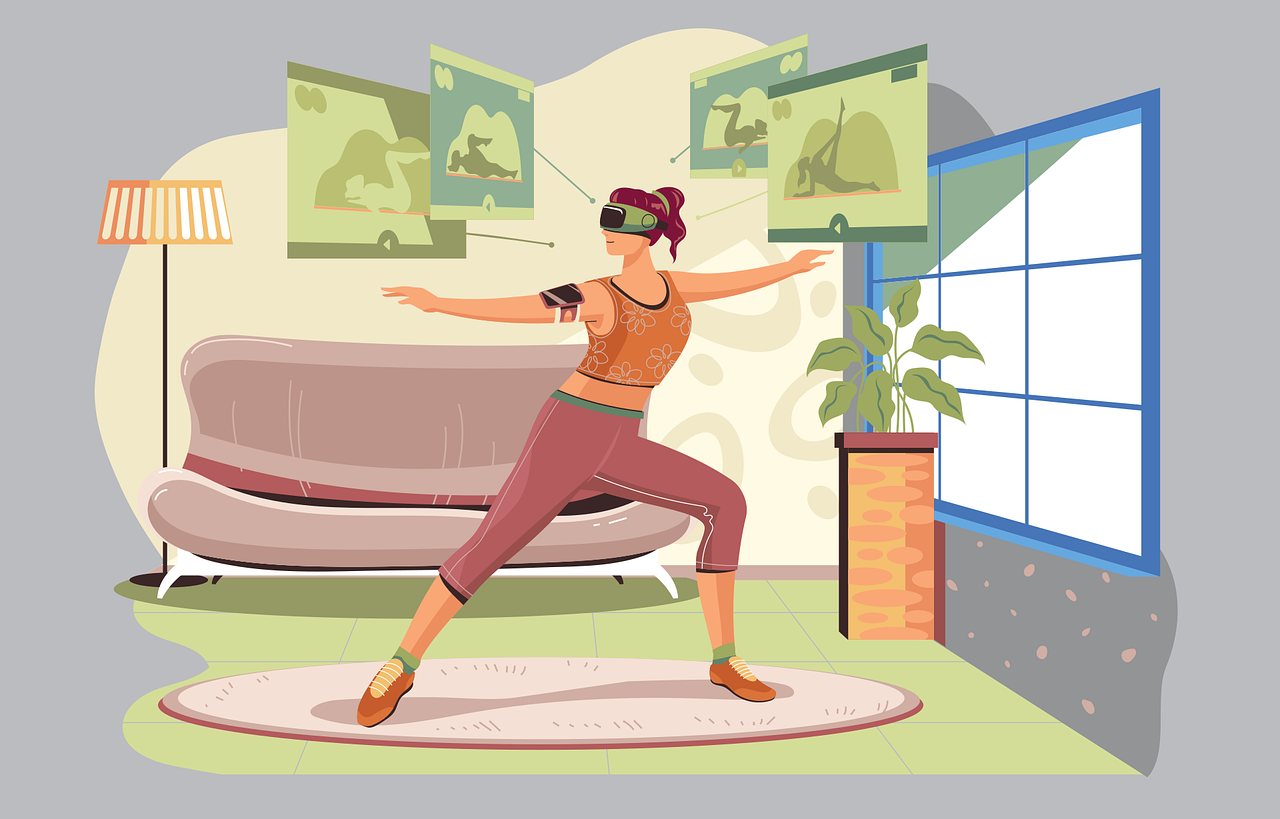

How Virtual Reality Fitness Apps Keep Motivation High
In recent years, virtual reality (VR) fitness apps have emerged as a revolutionary tool that motivates users to stay active and engaged. By creating an immersive environment, these applications keep users focused and driven to achieve their fitness goals. One key reason behind their effectiveness lies in the element of gamification, where users can earn rewards and achievements as they progress in their workouts. This creates a sense of accomplishment, encouraging them to push harder and remain consistent in their fitness journey. In addition to gamification, social integration plays a vital role, allowing users to compete with friends or join classes in real-time. This social aspect provides encouragement and accountability. Furthermore, VR fitness apps offer personalized experiences by tracking user performance. Custom workout plans adapt to individual goals, ensuring that users remain challenged while avoiding burnout. By blending technology with fitness, these applications offer a fun and engaging way to enhance motivation, making workouts feel less like a chore and more enjoyable. As such, those struggling with consistency may find VR fitness an alluring solution.
Moreover, virtual reality fitness apps transform the traditional workout experience by providing diverse virtual environments that engage users mentally and physically. There are options ranging from scenic outdoor trails amidst mountains to vibrant dance studios filled with energy. Such varied backgrounds keep the workout setting exciting and encourage users to explore different fitness styles and routines. These apps cater to different fitness levels, offering beginner-friendly workouts or more advanced challenges. This adaptability allows users to continuously progress and feel motivated. The immersive nature of VR also heightens the sensory experience, making users feel as though they’re a part of the action, rather than simply exercising at home. Coupled with compelling audio, high-intensity visuals, and responsive movements, users are often more inclined to complete workouts in their entirety. Fitness class paradigms continue to shift, allowing users to participate in sessions led by top trainers from around the globe without leaving their homes. The removal of geographical barriers significantly enriches the workout experience, letting users learn and grow in their respective fitness endeavors through guided sessions.
Enhanced Interactivity Through VR
Furthermore, the interactivity offered by VR fitness apps adds an exciting dimension that traditional workout methods lack. Users can engage with their virtual trainer, who provides real-time feedback on their performance. This instant guidance ensures proper form and technique, reducing the risk of injury commonly associated with home workouts. The experience can be incredibly engaging, often blurring the lines between gaming and exercising. Users find themselves so engrossed in the activity that they may forget they are working out, which often leads to longer sessions and higher calorie burn. VR fitness apps can also incorporate community elements, allowing like-minded individuals to motivate each other and share their progress. As users record their workout achievements and share them on social media, they build confidence and community support, enriching their fitness experience. Additionally, users receive points or badges as they reach different milestones, further enhancing motivation. This blend of feedback, competition, and social engagement culminates in an attractive and effective workout plan that keeps participants returning for more.
Technological advancements are constantly evolving in the fitness industry, leading to the introduction of new tools that further complement the VR fitness experience. Wearable technologies such as smartwatches and fitness bands can provide accurate data on heart rates, calories burned, and overall performance. This data can then be synchronized with VR apps, offering users deeper insights into their health and fitness journeys. Integrating these devices with immersive VR experiences empowers users to take control of their wellness goals effectively while tracking progress diligently. The future of fitness may very well encompass more innovations in VR technology alongside these wearable devices, creating a seamless approach to health and fitness. As companies strive to innovate and outdo competitors, users can expect even more immersive apps focused on personalization and engagement. Innovations may include AI-driven virtual trainers or enhanced customization options for workout plans. As the demand for convenient fitness solutions continues to grow, virtual reality may redefine exercising as we know it, offering an unparalleled blend of motivation, entertainment, and results.
Success Stories
Many success stories have emerged in the fitness community, highlighting how VR fitness apps can spur significant lifestyle transformations. Users who struggled with routine workouts often discover renewed passion through these dynamic, virtual platforms. They feel encouraged to explore diverse exercise modalities, from yoga and pilates to hardcore HIIT sessions, thereby broadening their fitness horizons. After consistently using VR fitness apps, individuals report increased energy levels, improved mental health, and better overall wellness. Those who have previously felt intimidated by traditional gyms now find comfort in their own homes, allowing them to build confidence without judgment. Community support is also evident in feedback shared online, as users flock to forums and social media to discuss their achievements. Users showcase transformations, share workout playlists, tips, and experiences, which enhances motivation further. Those enthusiastic about fitness often become advocates for VR fitness, encouraging others to join the movement. Overall, user testimonials reinforce the notion that virtual reality fitness apps can play a pivotal role in altering one’s fitness journey significantly for positive health outcomes.
In summary, the rise of virtual reality fitness apps marks an innovative shift in how people approach their health and fitness goals. Their effectiveness lies in the unique combination of immersive experiences, interactivity, and social engagement that traditional workout methods cannot replicate. With gamified experiences, personalized workouts, and real-time feedback, users can experience a high level of motivation while exercising. The versatility of these apps caters to various fitness enthusiasts, allowing them to explore diverse activities that fit their preferences and abilities. As the technology continues to advance, the potential for VR fitness will only grow, providing even more engaging options and experiences. It’s essential for developers to keep innovating, as user satisfaction is paramount. The motivation gained from these platforms encourages individuals to move closer to their fitness aspirations, making exercise a positive part of their daily routines. As awareness about fitness and well-being rises, more people may seek out VR fitness apps as a solution to combat sedentary lifestyles. The future of fitness seems exciting, marking a path toward more enjoyment in the exercise.
Looking Ahead
In conclusion, virtual reality fitness apps are transforming the fitness landscape, making workouts enjoyable and motivating. Their emergence presents a significant shift in how individuals approach fitness, shifting from mundane routines to engaging experiences that mix fun and exercise. As technology progresses and developers strive for refinement, users can expect enhanced functionalities and new features that further enhance motivation and connectivity within virtual workouts. The exciting aspects of avatars, virtual gyms, and interactive challenges promise a vibrant future for health and fitness endeavors. Users are likely to embrace these advancements as they efficiently achieve their fitness goals while having fun. Companies must continue focusing on user experience, aiming to create solutions that keep users dedicated and empowered on their journeys. The integration of VR fitness apps into various facets of lifestyle presents a unique opportunity to bridge the gap between technology and health. By participating in this revolution, individuals can actively shape their fitness futures while also setting an example for others. With a blend of innovation and motivation, these fitness apps compel users to enjoy every step of their fitness journey.
As we look forward, the commitment to continuous improvement and connectivity will likely define the future trends of VR fitness. Users who once felt confined to traditional methods can now find empowerment and excitement at their fingertips. The overall effect is a fitness culture encouraging exploration, creativity, and commitment to health in ways previously unimagined. As virtual reality continues to develop, the potential for improved user engagement and interactivity grows unprecedentedly. By harnessing technology’s power, individuals can craft personalized fitness journeys, leading to higher accountability and achievements, which are crucial in today’s fast-paced world. The synergy created through virtual reality apps may redefine concepts of community in fitness, where everyone supports one another. Ultimately, as the trend continues to grow, fitness motivation will evolve hand in hand with technological advances, establishing a new standard for health and wellness experiences. The ability to adapt and cater to user preferences will remain a driving force in the industry. It is also essential that future innovations focus on inclusivity and accessibility, ensuring everyone can enjoy these benefits, leading to a healthier, more active society.