
Plant-Based Calcium Sources for Vegans
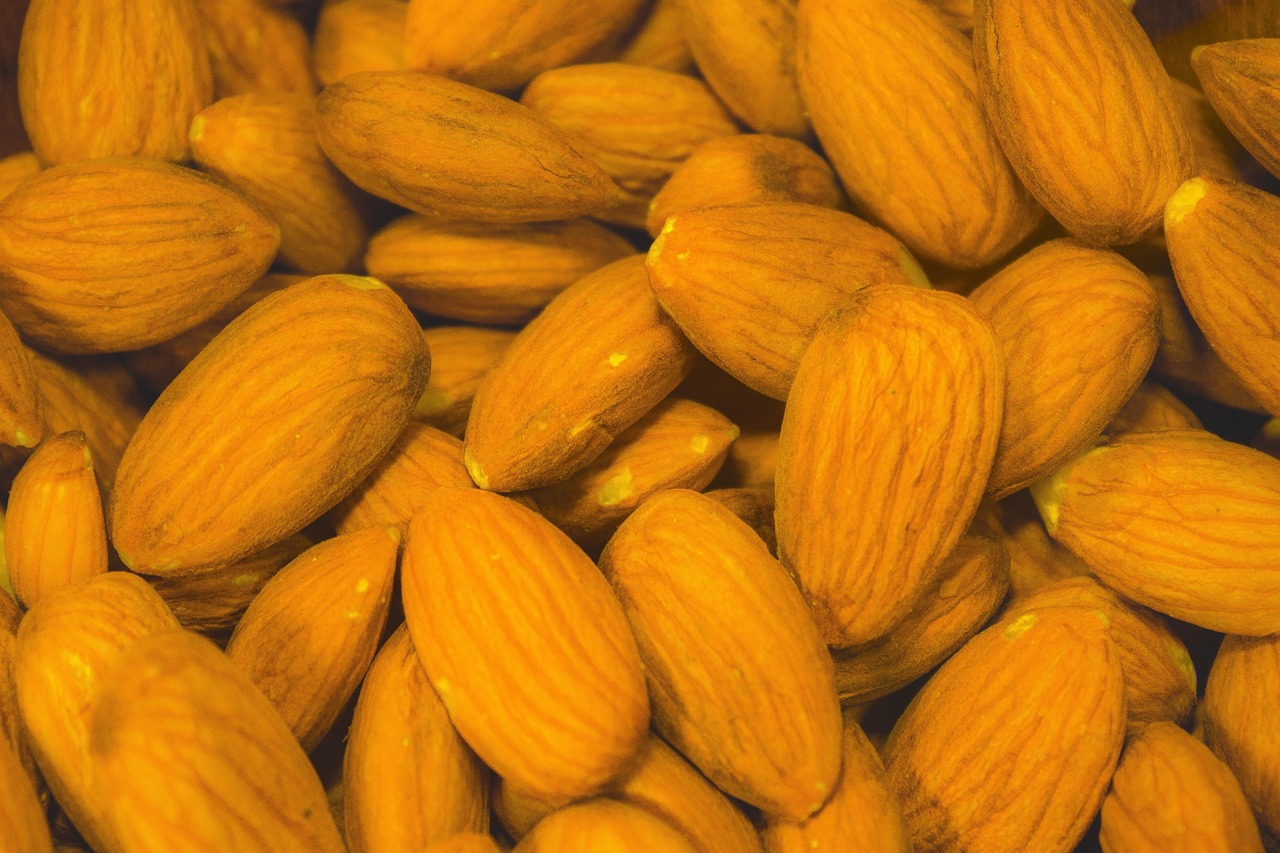
Calcium is an essential mineral for bone health and overall bodily functions, playing a crucial role in bodily processes. Many individuals transitioning to a vegan diet may wonder how to meet their calcium needs without relying on dairy products. Fortunately, there are various plant-based sources rich in calcium that can help vegans achieve optimal intake without compromising dietary preferences. Leafy greens like kale and collard greens are excellent sources, as they are packed with nutrients, and a single serving can provide a significant percentage of daily calcium needs. Additionally, fortified non-dairy milk, such as almond or soy milk, offers a delicious alternative that often comes enriched with calcium and vitamin D. Tofu is another versatile option, especially if prepared with calcium sulfate, which boosts its calcium content considerably. Moreover, almonds, chia seeds, and broccoli are nutritious choices that can seamlessly fit into vegan diets. Incorporating a variety of these foods can help ensure adequate calcium intake. Consuming a well-balanced vegan diet focused on these choices will promote bone health and overall wellness.
Fortified Foods and Plant Supplements
Many vegans also opt for fortified food products that can enhance calcium intake. Fortified orange juice is a popular choice, providing a delicious source of calcium along with vitamin C. Other fortified plant-based foods include cereals and nutritional yeast, both contributing to increased calcium levels in a person’s daily diet. Some brands offer supplements specifically designed for vegans, which feature calcium along with other critical nutrients needed for optimal health. When considering supplementation, it is essential to consult a healthcare professional to ensure that sound decisions align with individual dietary needs. It is crucial to recognize that while fortified products are beneficial, relying solely on them may not provide a balanced nutritional profile. Thus, combining whole foods with fortified items can help ensure daily caloric and nutrient goals are met effectively. Incorporating a variety of calcium-rich snacks, such as dried figs and tempeh, can further improve overall bone health while transitioning to a vegan lifestyle. Furthermore, maintaining a diverse and colorful plate will enhance not only calcium intake but also overall nutrient absorption.
In addition to obtaining calcium from food sources, understanding factors affecting absorption is essential. Vitamin D plays a significant role in calcium absorption, ensuring that minerals are utilized efficiently in the body. Vegans often have limited sun exposure, especially during winter months, which might lead to deficiency. Therefore, consuming fortified foods or taking supplements can help improve vitamin D levels in the body. Another factor impacting calcium absorption is the presence of oxalates and phytates found in certain plant foods. For example, spinach and swiss chard, while high in calcium, contain oxalates that can reduce absorption. It is essential to diversify calcium sources to include foods like bok choy, beans, and sesame seeds, which usually offer higher availability of calcium for absorption in the body. Engaging in a well-balanced diet consisting of a variety of foods, as well as considering the timing of nutrient intake is crucial. Ideally, balance calcium-rich foods with those containing healthy fats to improve absorption. Embracing a diverse array of plant foods will empower vegans to establish a nutrient-rich foundation for their dietary journey.
Cooking Methods Influencing Calcium
Cooking methods can also impact the calcium content of various foods. For instance, boiling leafy greens can lead to a significant loss of calcium, while steaming or sautéing them can help retain nutrients. Incorporating vegetables into soups, stews, or stir-fries is an excellent way to enjoy their benefits while maintaining their nutritional quality. Additionally, using minimal water minimizes calcium loss during cooking. Fermenting foods, such as making kimchi or sauerkraut, not only encourages gut health but also enhances the availability of calcium and other essential nutrients. By preparing meals with methods like soaking or sprouting seeds, the bioavailability of minerals can increase, making the nutrients more accessible for absorption. Furthermore, pairing foods rich in vitamin C, like bell peppers or tomatoes, with calcium sources improves their absorption through various metabolic pathways. When experimenting with cooking techniques, it’s essential to pay attention to meal preparation and presentation. Finally, creating colorful and visually appealing dishes is satisfying and promotes greater nutritional diversity on vegan plates.
Understanding daily calcium requirements is crucial for those following a vegan diet. The recommended daily intake of calcium varies depending on factors such as age, sex, and life stage. For example, adults typically need around 1,000 mg of calcium daily, while teenagers and women over 50 may require more. It is essential to evaluate personal needs and tailor dietary choices accordingly. Keeping track of calcium intake can be beneficial in identifying gaps and ensuring sustained nutrient levels. Meal planning plays a vital role—setting aside time to develop a comprehensive strategy can help vegans incorporate all necessary nutrients. This can involve using meal prep containers or creating a weekly menu featuring diverse calcium-rich foods. Staying mindful of portion sizes will also aid in hitting calcium targets more effectively. Engaging in mindful eating practices, along with food tracking, enables vegans to stay connected with their dietary journey. With this approach, continuous reflection on diet will support their transition to a vegan lifestyle. Ultimately, optimizing nutrient intake fosters long-term health and vitality in plant-based diets.
Benefits of a Calcium-Rich Vegan Diet
Transitioning to a vegan diet that prioritizes calcium-rich foods offers numerous benefits. Firstly, a well-rounded plant-based diet has been shown to support a healthy weight and minimize the risk of chronic diseases. Calcium is linked to healthy bone density, reducing the likelihood of osteoporosis as individuals age. Moreover, consuming foods rich in calcium can also contribute to improved cardiovascular health by lowering blood pressure and cholesterol levels. Plant-based diets are typically high in fiber, which aids in digestion and promotes gut health, further enhancing overall well-being. Including plenty of fruits, vegetables, and whole grains ensures essential vitamins and minerals are present while supporting overall health. Some studies indicate that calcium-rich vegan diets may also positively influence mood and energy levels, thereby enriching the daily quality of life. Embracing this lifestyle comes with the added benefit of adopting environmentally sustainable habits, minimizing the ecological footprint associated with animal agriculture. As awareness surrounding food choices increases, individuals can familiarize themselves with the diverse array of calcium-rich plant foods available. This enhanced diversity can lead to culinary exploration and creativity in the kitchen.
To summarize, adopting a vegan diet does not negate the need for adequate calcium intake. By integrating diverse plant-based sources, including fortified foods and being mindful of preparation methods, vegans can effectively meet their calcium requirements. Understanding the relationship between calcium, vitamin D, and cooking methods further empowers individuals to enhance mineral absorption. Meal planning, tracking intake, and staying informed about personal nutrient needs serve as effective strategies in ensuring balanced nutrition. Exploring a variety of calcium-rich options ensures a nutritional foundation for vibrant health. The benefits extend beyond physical well-being to include aspects of mental health, environmental sustainability, and culinary creativity. Therefore, as more individuals choose to transition to a vegan lifestyle, prioritizing calcium serves as a fundamental aspect of nourishing one’s body and mind. With conscious choices and intentional planning, achieving optimal calcium intake becomes manageable. A commitment to exploring new ingredients, experimenting with flavors, and embracing different dishes can lead to a rich and fulfilling plant-based experience for everyone. Ultimately, embarking on this journey will contribute to overall vitality and well-being.