
How Traditional Martial Arts Teach Respect and Humility
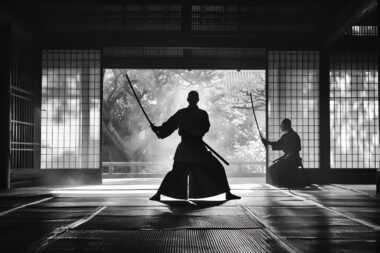
Traditional martial arts are not just about physical prowess; they encompass broader life lessons. Among these vital lessons are respect and humility, foundational virtues that practitioners learn throughout their training. As students step into the dojo or training hall, they are immediately immersed in an environment emphasizing respect for instructors and fellow trainees. Bowing upon entering the training area signifies recognition of this principle. Such actions instill in students the importance of acknowledging others and valuing their contributions to the learning process. This respect extends beyond the martial arts arena, influencing other relationships in life. Moreover, as practitioners learn techniques and forms, they communicate the idea that mastery takes time and dedication. This journey encourages humility, as students realize that there will always be someone more skilled. Acknowledging that there is room for improvement fosters a mindset eager to learn from peers and instructors. Additionally, the practice of traditional martial arts instills a sense of community, where sharing knowledge and supporting each other is paramount. Thus, students not only grow in skill but also develop fundamental qualities that shape their interactions inside and outside the dojo.
The Role of Discipline in Learning
In traditional martial arts, discipline plays a crucial role in the development of respect and humility. The path to mastering martial arts is laden with challenges that require unwavering commitment. Regularly attending classes, practicing routines diligently, and pushing personal limits cultivates discipline. This discipline sets the tone for respectful behavior in the dojo. Students must adhere to traditions, rules, and the protocols of their chosen discipline, reinforcing a spirit of respect. As students observe senior practitioners demonstrate techniques, they’re often reminded of the respect that experience brings. Respecting hierarchy within the martial arts community mirrors life outside of it, where recognizing authority and expertise is essential. On the journey to advancement, students encounter moments of failure, pushing them to maintain a humble attitude. Accepting that perfection is unattainable leads to an appreciation of every learning opportunity. Discipline requires that despite setbacks, students persist, demonstrating both respect for their journey and humility before the challenges they face. This cultivated discipline not only results in improved physical skills but also fosters personal growth, teaching invaluable lessons about resilience and perseverance.
Respect in traditional martial arts is taught not just through rules but also through actions. Instructors often lead by example, showcasing how to treat others with dignity. As students observe their teachers’ respectful engagement with one another, they are inspired to emulate those behaviors. Practitioners learn that respect extends beyond their peers to include but not limited to training partners, opponents, and elders within their community. Engaging in sparring or competitions brings out the importance of respecting opponents as equals, regardless of skill level. Each opponent poses a teaching opportunity, revealing valuable insights about oneself and strategies for improvement. Such interactions cultivate empathy, a vital component of respect, enabling practitioners to develop a better understanding of each other. Furthermore, acknowledging the effort required to learn a martial art fosters humility, prompting students to appreciate their own progression rather than compare themselves negatively to others. As students grow in their skills, they also realize the value of supporting one another. In this way, respect forms a cycle, encouraging not just personal growth but also a harmonious environment conducive to learning and mutual support.
Traditional martial arts require constant practice and learning, emphasizing humility as an essential component. Students often validate their experiences through feedback from instructors and peers, which instills a mindset of humility. This concept reminds practitioners that while they make significant progress, there is always more to learn. Accepting constructive criticism without defensiveness is a skill honed in the dojo. This practice nurtures the understanding that no one achieves greatness alone. Instead, it necessitates collaboration and the willingness to acknowledge the input of others, ultimately strengthening bonds within the community. Additionally, understanding the violent history and cultural context behind martial arts inspires humility about one’s abilities. Many practitioners are taught about the art’s origins, leading to a sense of responsibility regarding their skills. As they develop their abilities, they recognize the importance of using their knowledge wisely, prioritizing defense and self-control rather than aggression. The continuous journey in traditional martial arts encourages a reflective attitude towards one’s practice, ensuring that individuals embrace the role of student and teacher. In fostering these qualities, practitioners not only enrich their martial arts experience but also build strong character traits applicable in every aspect of life.
The Impact of Traditions on Values
Traditions integrated within martial arts training reinforce the principles of respect and humility throughout the learning journey. Various rituals, from bowing to wearing specific uniforms, create a profound connection to the art form’s cultural heritage. Each practice serves as a reminder of the respect owed to those who laid the groundwork for the discipline. Emphasizing these traditions cultivates a sense of belonging among practitioners, establishing common values. Students learn that respect is embedded within the art, influencing their behavior both in and out of the dojo. Personal encounters with traditions such as ceremonies or testing days further instate these values. During tests for promotion, students reflect on their progress, showcasing humility in presenting their skills to their peers and instructors. Sharing this moment with others deepens the ties within the martial arts community, fostering camaraderie. Moreover, these traditions often involve honoring past masters and their contributions with ceremonies and remembrances, allowing students to connect to their rich history. They express gratitude for their inheritance. This practice of gratitude plants seeds of humility, as students recognize their individual journeys are part of a larger lineage.
Respect and humility forged through traditional martial arts training extend beyond the dojo into everyday life. These lessons contribute significantly to personal and social development, influencing how practitioners interact with others. As students develop respect for their instructors and peers, they also cultivate a more profound appreciation for different backgrounds and experiences. This exposure promotes open-mindedness, enabling students to connect with a broader community. Humility, learned through self-reflection during training, teaches students to approach diverse situations with an understanding that they must continuously learn. Embracing this mindset fosters meaningful relationships in personal and professional settings. Respectful communication becomes the norm, allowing individuals to express themselves clearly and listen actively to others. The camaraderie developed in the dojo translates to teamwork, where collaboration and mutual respect drive success in various endeavors. These values serve as guiding principles, encouraging martial artists to stand against bullying and promote peace in society. People who learn respect and humility do not only improve their lives but inspire others to follow suit. The transformative power of traditional martial arts shapes not only skilled practitioners but responsible and empathetic individuals in our diverse world.
Embracing the Journey
Ultimately, traditional martial arts offer an invaluable opportunity for personal growth through the lessons of respect and humility. Each practice session allows individuals to cultivate deeper relationships within their community, laying the foundation for lifelong friendships. Through shared struggles and triumphs, students develop mutual respect cherished over time. As practitioners continue on their journey, they must learn to embrace the process rather than solely focusing on outcomes. This mindset encourages artists to celebrate small victories and acknowledge the learning experiences derived from failures. Traditional martial arts teach that respect and humility manifest not in moments of glory but instead in everyday actions: helping fellow students, sharing knowledge, and appreciating diverse perspectives. Participating in these practices reinforces the idea that personal growth is continuous and deeply interconnected with others. Synchronizing one’s goals with respect for the shared journey is immensely rewarding. Thus, traditional martial arts becomes a vehicle for transformation, shaping confident students who embody these vital virtues. By committing to ongoing practice and reflection, martial artists reinforce respect and humility as core tenets guiding their lives, embedding these values into their very beings.
In conclusion, learning respect and humility through traditional martial arts represents a holistic approach to personal development. Students are not just trained in physical techniques but are equally encouraged to become better individuals. Both respect and humility are foundational qualities that help them navigate a rapidly changing world. These principles will guide their interactions with others long after they leave the dojo. By fostering environments that emphasize these virtues, traditional martial arts schools can prepare students for challenges beyond training, ensuring they utilize their skills for positive contributions. Ultimately, martial arts prepare individuals for life’s complexities, providing them with tools to become compassionate leaders and responsible citizens. The impact of traditional martial arts transcends sports; it’s a lifelong commitment to self-improvement, helping students realize their potential. As practitioners delve deeper into their training, they cultivate the strength of character essential for personal fulfillment and social harmony. Their commitment to discipline reflects a fundamental respect for the martial art and everyone involved in it. Through humility, they remain open to learning, perpetuating the cycle of teaching and learning that embodies the spirit of martial arts. The essence of these traditions lives on in those who practice them.