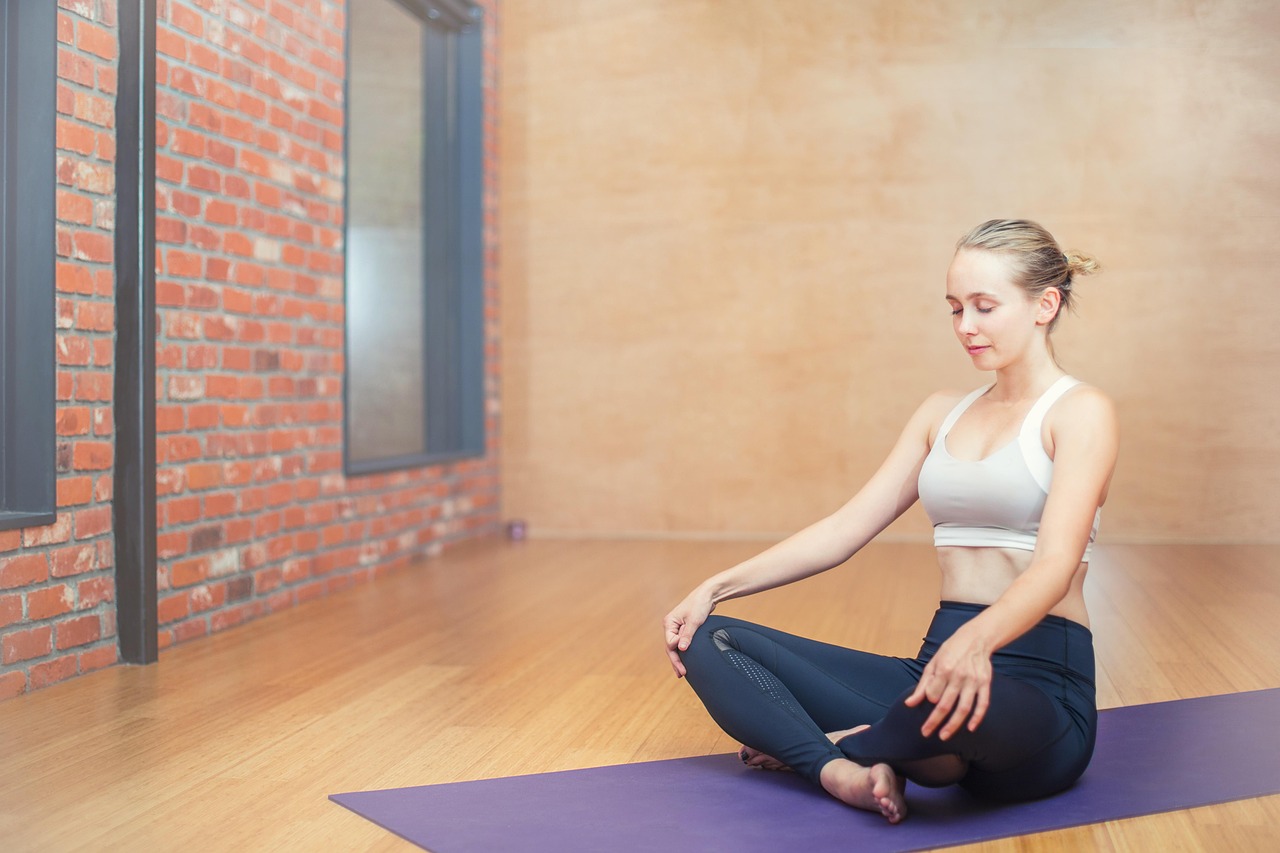

Beginner Yoga: Incorporating Meditation into Your Practice
Yoga offers a dynamic way to enhance physical health while simultaneously fostering mental clarity and focus. For those new to the practice, incorporating meditation can magnify these benefits significantly. Meditation introduces a personal exploration of mindfulness that helps to strengthen body-awareness and encourages emotional well-being. By integrating meditation into yoga routines, beginners can cultivate a sense of peace and presence, which is essential in today’s fast-paced world. Practicing mindfulness allows for deeper concentration on yoga postures, enhancing alignment and improving flexibility. Beginners should consider starting their sessions with a few moments of quiet reflection or deep breathing to foster this connection. Moreover, this practice can be enhanced by creating an inviting atmosphere, such as dimming the lights or lighting candles. Enabling calmness through your environment can support the meditative state. Beginners should allow themselves the grace to progress gradually. Expecting immediate results can lead to frustration, but embracing the experience can lead to transformative growth. Remember, each yoga journey is personal, and everyone advances at their own pace in this rewarding practice.
To successfully incorporate meditation into your yoga sessions, it’s essential to begin with some fundamental techniques that can help ease you into the practice. Start by finding a comfortable seated position that suits your unique body. Establishing a consistent daily routine is also beneficial. This could be as simple as taking 10-15 minutes to sit quietly in the morning before your yoga practice. Focus on your breath as it enters and exits your body, gently guiding your attention back whenever your mind wanders. Utilizing visualization techniques can further enhance your meditation experience; picture serene landscapes or calming colors to anchor your thoughts. Keeping a meditation journal to reflect on your experiences can be insightful. After each session, jot down any thoughts or feelings that arise to track your progress. Practicing gratitude can also boost the effectiveness of your meditation. Acknowledging what you are thankful for cultivates a positive mindset that permeates every aspect of your life, including your yoga practice. Remember, the key is consistency, and over time, you will cultivate a deeper connection with your mind and body.
The Role of Breath in Meditation
Breath plays a pivotal role in both yoga and meditation, serving as the bridge between body and mind. Focusing on your breath can create a calming rhythm that enhances your practice. When beginning meditation, establish an awareness of your inhalations and exhalations. This focus allows you to ground yourself and remain present. Patterned breathing, such as inhaling for a count of four, holding for four, then exhaling for a count of six can be beneficial. These techniques work effectively to calm the nervous system, preparing your body for yoga. Beginners might find it helpful to practice breath awareness during poses, allowing them to deepen their stretches and maintain stability. Use your breath to guide your movement; inhale as you extend and exhale as you fold. This dynamic interplay can transform your practice into a fluid experience. Furthermore, practicing breath awareness can cultivate patience, helping you remain calm during challenging poses. Developing this skill is fundamental to both meditation and yoga. Over time, your connection to breath will guide not just your practice but help you face the challenges in daily life.
As you continue to explore mindfulness through your yoga practice, consider integrating guided meditations. These can offer structure and direction, especially for beginners who may find silent meditation challenging. Numerous resources are available online and through apps designed to guide your practice. Look for meditations focusing on particular themes, such as relaxation, self-love, or resilience. These guided meditations can enhance your ability to focus and become comfortable with stillness. Additionally, various yoga classes incorporate mindfulness meditation as a foundational element. Seek out classes in your local community or online that emphasize this approach, as it provides a supportive environment. Participating in group sessions can build motivation while cultivating a sense of camaraderie with fellow yogis. As your practice deepens, you may feel encouraged to lead your own sessions or even explore teaching opportunities. It’s not uncommon for yoga practitioners to transition into meditation teachers due to the significant benefits acquired through regular practice. Embrace the journey, and remember that every step taken on this path widens your understanding and impacts emotional health and well-being.
Adapting Meditation Techniques
As beginners progress in yoga and meditation, adapting techniques is essential to ensure practices remain engaging and enriching. Not every technique will resonate with everyone; thus, experimenting with various forms can help in cultivating a confident practice. For instance, if seated meditations feel daunting, try walking meditation, where mindfulness combines movement and breath. Practicing outdoors allows you to connect with nature and find grounding. Alternatively, consider guided meditations focusing on specific themes, opening thoughts to new concepts. These sessions can be found through various meditation apps or platforms, providing a flexible approach to deepen your practice. Also, incorporating sound into meditation can prove beneficial, such as practicing with soothing music or nature sounds. These auditory elements create an immersive experience that enriches focus. Further, accommodating meditation sessions into busy lifestyles through shorter intervals, like five or ten minutes, ensures consistency without overwhelming. Drawing on varied techniques will foster interest and keep motivation levels high. Recognize that every meditation experience is valid, whether you feel calm or restless; this acknowledgment supports authenticity within your practice.
To enhance your meditation practice, it can be valuable to create a specific space dedicated to your yoga and meditation activities. Establishing a calming environment can have a profound impact on your mindset. Designate a corner of your home that feels inviting and comforting. Decorate with elements that resonate with you—this could include peaceful images, plants, or personal tokens. Soft lighting such as candles or fairy lights can also help create an ambiance conducive to relaxation. Additionally, consider integrating yoga props such as blocks, cushions, or blankets to ensure comfort during your sessions. You might even hang inspiring quotes or visual aids that encourage mindfulness in your space. Regularly visiting the same location will train your mind to recognize it as a sanctuary for both yoga and meditation practices. This dedicated area becomes a physical reminder of your commitment to growth. It can reduce barriers to practice, making it easy to transition into your meditation or yoga session. Ultimately, your personalized space will foster a deeper connection with your practice and inspire commitment to your fitness journey.
Conclusion: The Journey of Yoga and Meditation
Embarking on a journey through beginner yoga and meditation can be extraordinarily rewarding, unveiling layers of physical and mental health benefits. Practicing mindfulness fosters emotional resilience, strengthens core muscles, and enhances flexibility—all integral to overall well-being. As you grow more accustomed to integrating meditation into your yoga practice, remember to stay patient and compassionate with yourself. It’s normal to encounter challenges as you develop your skills, but embracing every aspect of your journey brings growth. Engaging in mindfulness helps foster a peaceful mindset, encouraging you to navigate life’s stresses with calm and grace. Encouragement from a community of like-minded fellow practitioners can also positively influence your commitment. Regular classes or group sessions can keep motivation alive while creating lasting friendships. Consider joining local or online forums to share experiences and insights. Reflect on your progress and celebrate milestones along the way. The relationship between yoga, meditation, and personal growth is profound, serving to transform not only your physical health but your entire lifestyle. Embrace the journey and continue exploring the incredible benefits that await in every breath taken on this path.
In conclusion, remember that incorporating meditation into your beginner yoga practice is a beautiful way to enhance not only your physical abilities but also your mental clarity. As you delve deeper into both practices, the synergy created between mind and body becomes evident, bringing about positive changes in your overall health. The journey might be challenging at times, but maintaining an open mindset and a willingness to adapt will serve you well. It’s essential to honor your unique experience and growth while remaining committed to your practice. Engage thoughtfully in both meditation and yoga; even short moments spent mindfully can lead to significant transformations over time. It’s the habitual nature of these practices that generates real change. Remember, progress is a process, and patience is key. Seek out resources, join communities, and maintain the pursuit of knowledge surrounding yoga and meditation. With persistence and dedication, the path can lead you to unexpected insights about yourself. Ultimately, fostering a loving relationship with your practice will result in a rewarding experience, encouraging personal growth and profound gratitude in every moment lived.