
Breathing Techniques to Control Chronic Pain
The mind-body connection is a vital aspect of managing chronic pain, as various techniques can enhance physical and emotional resilience. Breathing techniques, in particular, are quite powerful and can significantly reduce pain perception. By focusing on your breath, you can create a calming mental state, which helps divert attention away from discomfort. Furthermore, these techniques can stimulate the parasympathetic nervous system, promoting relaxation. It’s essential to choose a comfortable position, either sitting or lying down, before practicing these methods. Breathing techniques are also beneficial in enhancing the body’s natural pain relief mechanisms through improved oxygen flow. Emphasizing breath control can allow you to take ownership of your experience, offering you the chance to reclaim a level of control over your pain. Practices such as diaphragmatic breathing or box breathing can be effective. Try practicing these techniques several times a day, and over time, integrating them into daily activities may enhance their effectiveness. Therefore, cultivating a mindful breathing practice may not only help reduce immediate pain but also encourage a more resilient response to chronic discomfort.
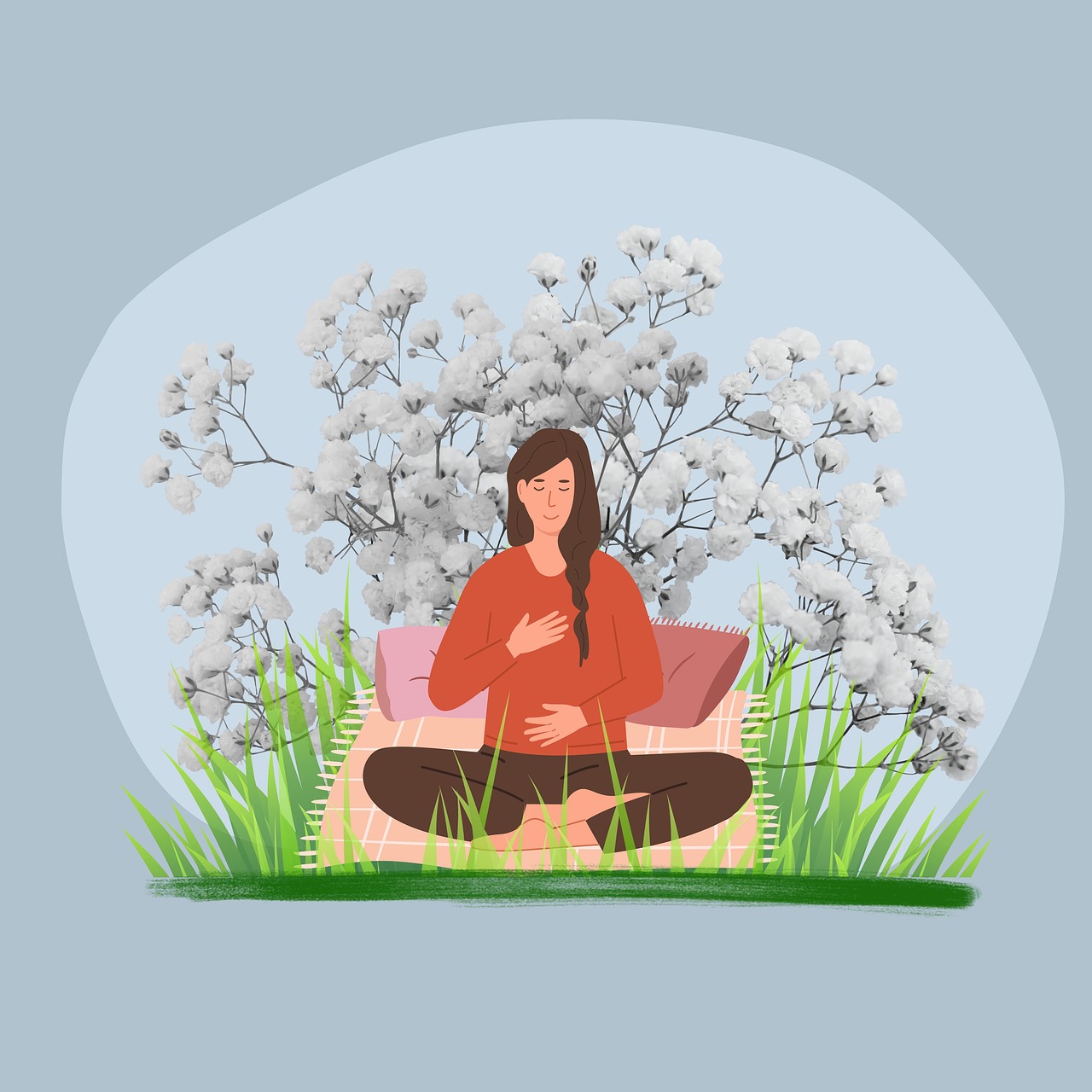
Another useful technique for managing chronic pain is diaphragmatic breathing, also known as abdominal breathing. This method involves breathing deeply into the diaphragm rather than shallowly in the chest. To begin, find a quiet space, sit comfortably, or lie down. Place one hand on your chest and another on your abdomen. Inhale deeply through your nose, allowing your abdomen to rise while keeping your chest still. This method helps improve lung capacity and promotes relaxation, which can alleviate pain. With practice, diaphragmatic breathing can reduce muscle tension and anxiety, common companions of chronic pain. Establish a routine whereby you practice this technique at least twice daily, and gradually increase the duration. Pair your practice with visualization techniques, imagining each breath bringing warmth and relaxation to areas of pain. The rhythmic nature of diaphragmatic breathing can also ground you, allowing for increased present-moment awareness. Tracking your progress in your pain levels can provide motivation. Consider journaling your experiences, as noting improvements may reinforce your commitment to this powerful technique, offering insight into your personal journey toward pain management.
Implementing Box Breathing Techniques
Box breathing is another effective method for managing chronic pain. This technique involves inhaling, holding the breath, exhaling, and pausing, all for equal counts. First, choose a comfortable position, preferably with a straight back. Inhale deeply through your nose for four counts, expanding your lungs fully. Hold your breath for another four counts, feeling the stillness. Exhale slowly through your mouth for four counts, emptying your lungs completely. Lastly, hold your breath for an equal four counts before inhaling again. This rhythmic practice not only calms the mind but also helps reduce stress levels, which can exacerbate pain. The systematic approach engages both the body and mind, promoting a sense of control over pain experiences. As you become more adept at box breathing, gradually increase the duration of each count to six or eight. Practicing this method, especially during painful episodes, can enhance your pain management toolkit. Consider incorporating it into daily mindfulness routines or before important activities. This technique may significantly reduce pain awareness while providing mental clarity, ultimately contributing to a more balanced overall well-being.
In addition to breathing techniques, body awareness practices such as progressive muscle relaxation (PMR) complement breath-based strategies in chronic pain management. During PMR, individuals systematically tense and then release different muscle groups, allowing for increased body awareness. Start by finding a comfortable position, focusing on your breathing. Gradually tense the muscles in your feet for a count of five, then release. Follow this by moving upwards through your body, treating each muscle group in turn. As you practice PMR, pay attention to how each muscle feels when it is tensed versus relaxed. This exercise not only relieves tension but also promotes an acute awareness of pain patterns linked to muscle tightness. Research shows that practicing PMR can significantly affect pain levels by encouraging relaxation and reducing stress. To integrate PMR into your routine, aim for sessions lasting about 15 to 20 minutes, ideally in a calm environment. Over time, you may notice reduced overall tension and a decrease in pain perception, enhancing both mental and physical well-being in the face of chronic pain challenges.
Combining Breathing with Meditation
Meditative practices, especially those incorporating breath focus, can significantly complement breathing techniques in managing chronic pain. Mindfulness meditation encourages individuals to observe thoughts and feelings without judgment, fostering a peaceful mindset. Begin by finding a quiet space to sit comfortably. Focus on your breath, allowing thoughts to come and go without engagement. As you meditate, regularly return your focus to the sensation of the inhale and exhale, which serves as an anchor. This deep focus can help shift your attention away from pain and promote mental tranquility. Integrating breath techniques with meditation may help reduce anxiety and promote a greater sense of control. Consider participating in guided meditation sessions available in various formats, including online resources and mobile applications. Many offerings cater specifically to those managing chronic pain, incorporating breathing exercises to enhance relaxation. Regularly practicing mindfulness meditation not only aids in pain management but can also improve overall emotional well-being. Aim for 10-20 minutes each day, progressively noticing enhanced awareness and heightened resilience amidst painful episodes.
Another supportive practice is the combination of breath techniques with visualization, which can intensify pain-relief efforts. Visualizing peaceful images while practicing breathing exercises encourages positive emotional responses within the body. This method plays on the profound effects that mental imagery can have on physical sensations. To engage in this practice, find a comfortable seated position, close your eyes, and take several deep breaths. As you continue to breathe, begin to visualize calming scenes such as a serene beach or a tranquil forest. Connect the sensory details with your breath; imagine each inhale drawing in relaxation and each exhale releasing tension and pain. The calming visuals you create help redirect your focus away from discomfort. Coupling breathing with visualization provides a multi-faceted approach to pain management. Regularly practicing this technique can train the mind to approach painful moments with a new perspective, initially neutralizing discomfort. Schedule specific sessions for this practice, perhaps even before sleep as a way to reset your mind, ensuring you feel prepared to tackle pain variations during the day.
Integrating Techniques into Daily Life
Incorporating these breathing techniques into daily routines can enhance their long-term effectiveness. Aim to set aside specific times for practicing these methods, as consistency is crucial to harness benefits. Furthermore, consider establishing triggers in your day-to-day life that remind you to engage in deep breathing, such as during breaks at work or while waiting for appointments. Developing a habit of using breaths to pause before reacting can create a valuable buffer against pain and stress. Identifying potential stressors can also grant insights into when practices might be most beneficial. Keep a journal documenting your pain levels alongside your breathing practices, serving as a helpful tool to recognize patterns. This documentation helps build a personalized pain management strategy catered to your unique experiences. Gradually, integrating these techniques into daily activities promotes a more holistic approach to pain management. Engaging with your breath throughout the day contributes to ongoing mental health improvements, leading to overall enhanced quality of life. Remember that each individual’s journey will differ, and finding what resonates best for you is essential for effective chronic pain management.
As you explore various breathing techniques, remember to consult with healthcare professionals, establishing a collaborative approach to chronic pain management. Integrating complementary methods based on medical guidance empowers you to personalize your approach effectively. Be open to tweaking these practices to fit your lifestyle and needs. Building a supportive network, whether friends or online communities, can provide encouragement and motivation. Sharing experiences regarding techniques that have helped can foster a sense of motivation. By patiently practicing these breathing methods over time, individuals can cultivate a greater sense of control over chronic pain. Individual strategies may evolve, and it’s vital to take note of what works best for you. Keeping a flexible mindset ensures you can adjust methods as your pain evolves or fluctuates. Regular reviews of your progress can reinforce confidence and offer clarity in the journey toward pain management. Additionally, enhancing your knowledge about pain pathways may deepen your understanding of how breathing can influence pain perception positively. The mind-body connection plays a crucial role in chronic pain management, and embracing holistic methods can empower resilience.