
Patient Journey Case Studies in Posture Rehabilitation
Posture is at the core of many health problems and influences overall well-being. In this article, we explore several case studies highlighting successful posture rehabilitation strategies. Each case involves unique patient backgrounds and specific challenges. We aim to illustrate the transformative process of improving posture through personalized interventions that empower individuals. Effective posture management can prevent further complications, improve physical performance, and enhance daily living. Many people overlook posture’s role in reducing pain and increasing productivity. Every patient’s journey begins with an assessment from qualified professionals who evaluate body alignment, ergonomics, and mobility. The rehabilitation process often includes a combination of techniques tailored to individual needs. Comprehensive assessments ensure that the interventions implemented are holistic. Patients often benefit from various physical therapies, ergonomic adjustments, and lifestyle changes. Your journey might star from simply standing tall and sitting correctly, impacting your physical and mental well-being. By learning to navigate posture effectively, individuals are empowered and equipped with tools for lifelong benefits. We hope these case studies can inspire changes for those struggling with posture-related issues.
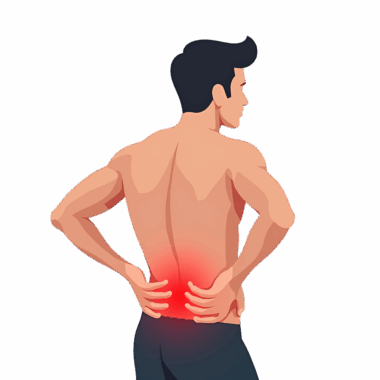
The following case study showcases a young office worker, Alex, struggling with chronic back pain due to poor sitting habits. Alex spent hours hunched over a desk, leading to debilitating discomfort and reduced productivity. During the initial consultation, a thorough examination revealed several postural misalignments and tension in key muscle groups. The rehabilitation team devised a plan emphasizing ergonomic assessments at Alex’s workspace. Together, they ensured that the chair, desk height, and screen levels promote a healthy posture. Regular physiotherapy sessions focused on strengthening core muscles while lengthening tight counterparts. Gradually, Alex learned alignment techniques and was encouraged to take breaks to avoid prolonged sitting. Incorporating simple exercises at home also became part of Alex’s regimen. Creating an ergonomic workspace and modifying daily habits significantly improved Alex’s quality of life. Enhanced flexibility and strength evolved over several weeks. Regular feedback from the team motivated Alex to stay committed to the journey. By the end of the program, Alex reported significant reductions in pain and increased energy levels. This case emphasizes the importance of adapting work environments to support better posture among desk workers.
Case Study of a Senior Individual
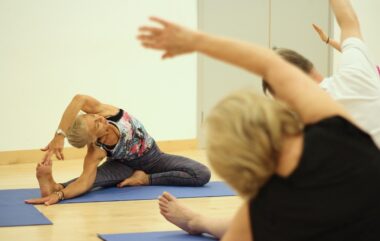
This section highlights the incredible journey of Mrs. Johnson, a senior individual facing significant postural challenges. She had limited mobility due to tightness in her muscles and joints from decades of environmental factors. Early assessments revealed that Mrs. Johnson’s postural issues greatly affected her ability to engage in activities she once loved. The rehabilitation process began with gentle stretching and strengthening exercises tailored to her endurance level. In tandem, implementing daily walking routines helped improve her overall health. Family support played a crucial role in encouraging Mrs. Johnson to stick to her routine. They assisted in maintaining physical activity, ensuring she performed prescribed exercises accurately and safely. Gradually, physical limitations began to diminish, and Mrs. Johnson found herself less reliant on assistance for basic activities. The full rehabilitation program focused not only on physical aspects but also on psychological well-being, promoting a positive outlook. Over several months, she reported improvements in mood, engagement, and independence. This case underscores how vital comprehensive therapeutic approaches can be in transforming lives and enhancing vitality.
The third case study revolves around a teenager, Ethan, who struggled with posture issues due to increased screen time and neglecting proper posture. Initially, Ethan experienced frequent neck and shoulder pain, directly linked to slouching during gaming sessions and studying. Through functional assessments, his treatment team helped identify the specific factors leading to discomfort. A structured program was created involving self-awareness techniques, educating Ethan on the implications of poor posture. Therapeutic interventions introduced strengthening and stretching exercises that he could complete at home. Flexibility in yoga was incorporated, encouraging him to engage in movement and mindfulness. Ergonomic assessments for his home study area emphasized the importance of setting up a comfortable workspace. Over time, Ethan gained confidence and saw marked improvements in both his posture and pain levels. Regular follow-ups with family ensured the sustainable practice of healthy habits, even amidst distractions. Ethan’s story demonstrates how essential early intervention is for young individuals, fostering a proactive attitude toward posture care. This journey showcases adapting educational and recreational environments to support posture health during formative years.
Posture Rehabilitation for Athletes
In this segment, we delve into the journey of a young athlete, Sarah, who faced postural implications affecting her performance. As a competitive swimmer, poor posture manifested as shoulder pain and reduced efficiency in stroke mechanics. Sarah’s rehabilitation commenced with a detailed analysis of her swimming posture during training. Key areas requiring improvement were identified, focusing particularly on core stability and upper body alignment. An individualized program included not only swimming-specific drills but also strength and conditioning workouts dry land. Integrating posture correction planks and stability exercises into her routine became essential. Furthermore, Sarah’s coach was involved in providing feedback and motivation. Regular check-ins ensured adjustments were made to the training intensity as needed. Over the months, Sarah noted a significant decrease in pain and an overall enhancement in her swim times. This case highlights a synergistic approach in sports rehabilitation, combining medical expertise, tailored program development, and athlete commitment. Coaches should actively engage in understanding how posture affects performance, emphasizing collective responsibility in establishing healthy athletic practices.
Finally, we consider a case of a factory worker, Tom, who experienced severe discomfort due to repetitive motion injuries. Tom spent long hours operating heavy machinery, consistently requiring the same posture that impacted his spine and joints. His journey began when he sought help to alleviate chronic pain and understand its root causes. An ergonomic assessment revealed overlooked areas in his workspace arrangement that compromised his posture. The rehabilitation team implemented a comprehensive intervention plan that included manual therapy, strengthening exercises, and guidance for better ergonomics. Part of the process involved training Tom in proper lifting techniques to minimize strain on his body. Each week focused on gradually increasing activity levels while maintaining safety. Furthermore, collaborative efforts with occupational health aimed at improving workplace conditions augmented Tom’s recovery. After months of consistent practice and commitment, Tom’s symptoms markedly reduced, enhancing both productivity and comfort. This case stresses the importance of integrating health-focused practices within industrial settings and addressing workplace ergonomics. Individuals who work in physically demanding roles can benefit significantly from such tailored approaches to rehabilitation.
Conclusion and Insights from Patient Journeys
In closing, these patient journeys encapsulate the transformative power of posture rehabilitation across various demographics. Each case illustrates personalized strategies that empower individuals to overcome challenges and enhance their well-being. Whether it involves improving daily ergonomics, strength training, or habit adjustments, the themes are universal: awareness, commitment, and support. It is essential to recognize the significant impact that informed posture management contributes to quality of life. Supportive families, professional guidance, and consistent practice all play pivotal roles in fostering successful rehabilitation outcomes. Furthermore, these success stories serve as motivation for others who face similar struggles with posture-related issues. Taking the first step may seem daunting, but knowing the potential for positive change can spur individuals into action. As awareness grows around the ramifications of improper posture, we encourage everyone to consider embracing proactive measures. The insights gained from these cases can inspire steps toward better postural health for ourselves and others. Encouraging dialogue on these topics in communities can help create lasting change. Together, we can prioritize posture and empower healthier, more comfortable lives.
Continuous learning and improvement in posture management are vital, ultimately encouraging positive outcomes. Each journey highlights valuable lessons and reveals opportunities for growth.