Breaking a Fast with Fruits: Which Ones Are Best?
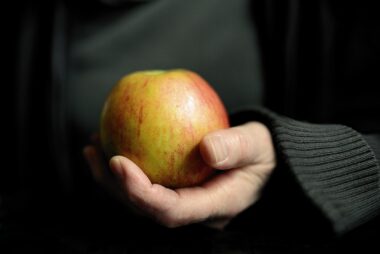
When considering the best way to break your fast, fruits emerge as a prime choice due to their nutrient density. Fruits provide essential vitamins, naturally occurring sugars, and hydration. Understanding the ideal fruits can enhance your fasting experience and help avoid digestive discomfort. Opting for fruits with a low glycemic index can prevent spikes in blood sugar, leading to a smoother transition back to eating. Among the top contenders is the watermelon, renowned for its high water content. This means it helps rehydrate the body quickly and keeps you feeling full. Another wonderful selection is the papaya, known for its digestive enzymes that can aid digestion after a fast. Bananas provide energy and potassium, which is essential after fasting. Apples, packed with fiber, help you feel satiated and provide a gradual energy release. Remember, moderation is key. Cutting fruits into small portions can prevent overwhelming your digestive system. Gradually increasing food intake after a fast is advisable to avoid discomfort and appreciate the natural sweetness of these fruits. Incorporating a blend of these fruits can facilitate a gentle reintroduction to solid foods.
Moreover, when we discuss how to break a fast effectively, it’s crucial to consider the timing of consumption. After fasting, optimal blood sugar levels can lead to a better energy experience. First, eating small portions is essential for ease of digestion. Following fruits, it’s recommended to wait about 30 minutes before introducing complex carbs or proteins. This allows the body to adjust to newly consumed foods and minimizes any gastric distress. Moreover, the order in which foods are eaten helps improve nutrient absorption. For instance, starting with fruits primes the digestive system for processing more complex foods afterward. Peaches and berries also rank high among the best choices. They offer antioxidants that can help combat inflammation and provide vitamins that support overall health. Preparing a fruit salad can be an enjoyable way to combine different flavors and textures, making the transition more appealing. As you break your fast, focusing on hydration remains vital. Drinking water alongside these fruits is recommended, ensuring your body receives the necessary moisture after fasting. The combination of high water content and nutrient-rich fruits makes for a delicious, healthful way to end a fast.
Fruits That Boost Energy Levels
Energy levels after a fast can plummet, making it essential to select fruits that offer natural energizing properties. Citrus fruits, such as oranges and grapefruits, stand out because they contain Vitamin C and natural sugars, fueling your body effectively. Dates are also an outstanding choice, packed with glucose, fructose, and sucrose. When incorporated into your post-fast meal, they provide a significant energy boost and also help replenish lost electrolytes and minerals. Additionally, avocados deserve mention as they are rich in healthy fats, contributing to sustained energy release throughout the day. On the other hand, dried fruits, although concentrated, should be consumed in moderation to avoid overwhelming the digestive system. Pairing fruits with nuts or seeds can enhance satiety and provide healthy omega-3 fatty acids and protein. As your body adjusts from fasting, these combinations provide well-rounded nourishment. Tropical fruits like pineapple and mango also add natural sweetness to your meal. They help revive taste buds dulled by fasting and stimulate saliva production, preparing your stomach for subsequent foods. Together, they work tremendously to restore balance and vitality following a fasting period.
In addition to refreshment, certain fruits assist in restoring gut health after a fasting interval. Pineapple, besides being delicious, has bromelain, an enzyme that aids digestion. Including fresh pineapple in your diet after fasting can enhance gastrointestinal function and help break down proteins effectively. It’s a fantastic choice for kickstarting digestive enzymes, especially crucial when transitioning back to solid foods. Other beneficial fruits include kiwi, recognized for its high fiber content and ability to stimulate digestive movement, making it a gentle option as you break your fast. Likewise, fermented fruits, such as those used in kombucha, add beneficial probiotics to your gut flora. Probiotics are essential for a healthy digestive system. However, keep an eye on portion sizes, ensuring that your stomach gradually adapts. It’s always wise to reflect on how your body responds to different fruits as you break your fast. Observing individual reactions can help tailor your choices and identify any food sensitivities or reactions. Ultimately, achieving digestive comfort and enjoyment should be your main goals while breaking a fast.
Best Practices for Breaking a Fast with Fruits
Implementing best practices is key when it comes to breaking your fast with fruits effectively. To enhance your experience and avoid any adverse reactions, hydration should be prioritized throughout the process. Start breaking your fast slowly. This means beginning with a small serving of fruit and waiting to see how your body responds. Sipping water alongside your fruit intake is recommended, ensuring hydration levels are restored while consuming natural sugars from the fruits. Additionally, be attentive to the ripeness of your fruits. Ripe fruits offer better taste and higher nutrient retention, aiding digestion and absorption. Experimenting with different fruit combinations can also make breaking your fast a more enjoyable experience. Create vibrant fruit smoothies or salads, allowing you to blend flavors while maximizing nutrients. Further, consider the seasonality of fruits. Local and in-season fruits often contain a richer flavor and superior nutrient profiles. Ultimately, these best practices empower you by providing clarity about your body’s needs and preferences following a fast. In turn, saving energy for the day ahead becomes possible with fruitful nourishment.
Lastly, followers of intermittent fasting should explore the personal connection to food after fasting. Breaking a fast can be an opportunity to cultivate a mindful eating practice, allowing you to appreciate the sensations of flavors and textures. Enhanced awareness can lead to better choices in food selection, promoting a sustainable relationship with healthier eating habits. During this time, it’s essential to pay attention to what works best for your unique needs instead of adhering strictly to trends. Journaling about post-fasting experiences can help pinpoint which fruits make you feel energized versus those that may not. Celebrating a variety of fruits can create a sense of enjoyment in your dietary routine, especially when breaking fast. Building a connection between food and emotional well-being may enhance the experience, making fruit a true celebration after fasting. Connecting with nature and the nutrition it provides can transform the fasting journey. Embracing this fruit-filled path encourages nutritional balance that promotes overall well-being and makes life a much more enjoyable venture. Let your fasting practice be guided by the nourishment and joy that comes from fruits.
Conclusion: Embrace a Fruitful Ending
In conclusion, breaking a fast with fruits remains one of the most beneficial choices you can make for your body. Not only do fruits provide essential nutrients and hydration, but they also offer a delightful taste experience that enhances your transition back to solid foods. Incorporating low glycemic index fruits ensures smooth energy levels and digestive comfort. Remember to stay attuned to your body’s reactions, adjusting fruit selections based on personal preferences and needs. This mindful approach to eating can foster a deeper appreciation for what you consume. Fruits such as papayas, bananas, berries, and watermelon can revitalize your body after fasting. Hydration, timing, and moderation remain key components in facilitating a seamless transition. The process allows you to enjoy both nourishment and taste after a fasting period. Let your choices reflect a celebration of healthful eating practices that not only satisfy your hunger but nourish your spirit as well. Ultimately, the journey of intermittent fasting, complemented by the inclusion of essential fruits, leads to enhanced vitality, energy, and a restorative food experience that honors this ritual.
In summary, embracing fruits when breaking your fast adds vibrancy to your dining experience. Careful consideration of both timing and selection ensures not only health but enjoyment. As you integrate fruits post-fast and pay attention to how your body reacts, you build a more intuitive understanding of your nutritional needs. Allowing yourself enjoyment, alongside nourishment, is a way to reinforce a positive relationship with food. This encouraging practice can be further empowered by exploring fresh fruits from local farmers’ markets, fostering connections to seasonal produce. Join others in sharing this experience on social platforms, inviting discussions on favorite fruit combinations after fasting. Utilize these conversations to gather insights into others’ experiences and challenges, enriching your journey towards better eating habits. It’s not just about breaking your fast, but also about transforming it into an adventure. Celebrate your unique preferences, feelings, and learnings, merging them into a pathway focused on health and satisfaction. In retrospect, when you choose fruits, you prioritize your body’s well-being, making every meal a wholesome celebration. Your fasting journey is personal and deserves to be respected with nutritious choices that yield the best outcomes for you.