
How to Design Your Own Dumbbell Strength Training Routine
Designing an effective dumbbell strength training routine involves understanding your personal goals, fitness levels, and available time. To begin, identify whether you are looking to increase muscle size, improve endurance, or enhance overall fitness. Each goal will lead to a different approach in selecting your exercises, repetitions, and sets. For those seeking muscle hypertrophy, aim for 3-4 sets of 8-12 repetitions per exercise, using a weight that challenges you but still allows for proper form. If your focus is on strength, opt for lower repetitions, around 4-6, with heavier weights. A well-structured routine should also include a warm-up, as well as a cool-down period to prevent injury. End with stretches to enhance flexibility and recovery. Consider incorporating compound movements like the squat and bench press, as these engage multiple muscle groups. As you progress, remember to increase weight gradually to avoid plateaus. Track your workouts to maintain motivation and ensure consistent improvement over time. Maintain good nutrition and hydration to support your training goals.
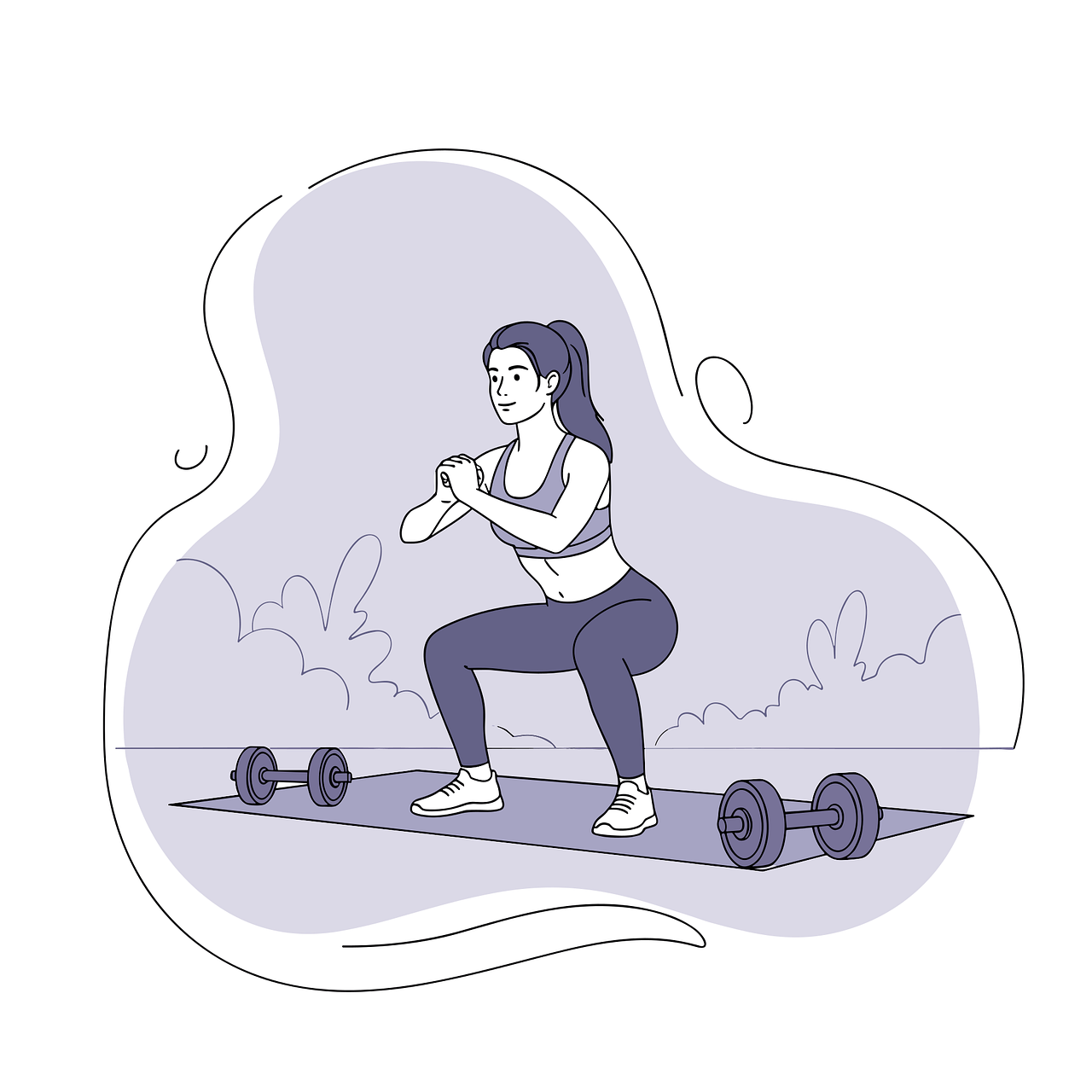
Choose exercises that challenge various muscle groups for a balanced routine. Include an array of movements to engage major muscles effectively. Focus on compound exercises, which work multiple areas. Examples include dumbbell squats, lunges, and deadlifts, which develop flexibility and strength simultaneously. Additionally, incorporate isolation exercises like bicep curls and tricep extensions to target specific muscles. This provides balanced growth and improves muscle proportions. Make sure to include a mix of pushing and pulling exercises to prevent muscular imbalances. An example of this might involve alternating between chest presses and bent-over rows on different days. Utilize split training routines by dedicating specific days to upper or lower body workouts, allowing for sufficient recovery time. Always pay attention to your body, adjusting your weights and repetitions based on how you feel each session. If you’re new to strength training, consider seeking help from a fitness professional for guidance on form and technique. Remember, consistency is key in any strength program. Monitor progress and adjust your lifestyle accordingly to achieve optimal results.
Progressive overload is a fundamental principle for developing strength and muscular endurance. Simply put, it’s the gradual increase of stress placed on the body during workouts. To effectively implement this concept in your dumbbell strength training routine, ensure that you are routinely increasing weight, changing repetitions, or modifying the complexity of movements. This may mean adding additional resistance by upgrading your dumbbells or increasing the number of repetitions or sets. Consistently challenging your muscles will stimulate growth and adaptation. Additionally, ensure you are tracking your workouts to recognize patterns and improvements. Recording your weights, repetitions, and exercises can help maintain accountability and motivation. When you encounter a plateau, consider changing your routine entirely for a few weeks. This keeps your body guessing and can spur new growth. Always keep in mind that recovery is just as vital as the workout itself. Allowing ample rest time between sessions focusing on the same muscles prevents overtraining. Incorporate active recovery days with lighter activities like walking or yoga to maintain movement without excessive strain. Prioritize sleep for overall recovery and hormonal balance.
Tips for Maximizing Your Dumbbell Strength Training Routine
Incorporating effective techniques can enhance your dumbbell strength training results. First, focus on maintaining proper form throughout each exercise, as incorrect technique can lead to injury and less effective workouts. Slow and controlled movements provide better muscle engagement compared to uncontrolled or rushed reps. Consider using a mirror to monitor your technique, providing immediate feedback on your form. Additionally, consider varying your grip and stance to challenge your muscles differently. Experimenting with different holds like neutral grip, hammer grip, and underhand can provide various stimuli. Tempo is also essential; try incorporating slower eccentric phases in your lifts to build muscle. Rest periods between sets are crucial for rep quality, so allow yourself adequate time to recover before your next effort. Typically, 30 seconds to 90 seconds is sufficient, depending on your goals. Lastly, don’t forget to cross-train with other forms of exercise, which helps promote overall strength, balance, and coordination.
Nutrition plays a crucial role in your overall strength training success. To fuel your workouts and promote recovery, focus on a balanced diet rich in proteins, carbohydrates, and healthy fats. Protein, in particular, supports muscle repair and growth, while carbohydrates provide energy for your sessions. Aim to include a high-quality protein source in every meal, such as chicken, fish, beans, or nuts. Additionally, try consuming a mixture of carbs and proteins before and after workouts to maximize performance and recovery. Foods like protein shakes, Greek yogurt, or oatmeal with protein powder can serve as easy options. Hydration should not be overlooked; aim to drink plenty of water daily to ensure optimal performance. Proper hydration helps maintain energy levels and reduces the risk of muscle cramps. Consider tracking your daily food intake for a better awareness of your diet, as this can help identify potential deficiencies. Proper nutrition paired with your strength training plan can significantly boost your results over time.
Listening to Your Body
Listening to your body is essential during a dumbbell strength training routine. Your body will provide signals that indicate when it’s time to push harder or when to ease off. It’s crucial to differentiate between normal discomfort during exercise and signs of overtraining or potential injury. Always prioritize rest if you experience excessive fatigue or undue soreness. If pain persists for several days, consider consulting with a healthcare professional. To avoid injuries, be mindful of your body’s limits and recognize when you need additional recovery days. Integrating active rest or alternative workouts helps to engage your muscles without stressing them excessively. Incorporating flexibility and mobility work into your routine can also aid recovery and improve overall performance. Activities such as yoga or focused stretching can prevent tightness and enhance muscular health. Celebrate your consistency and achievements in strength training while understanding that your body requires balance.
Incorporating enjoyable activities into your training routine can help sustain long-term motivation. Aim to find exercises that you genuinely enjoy. Engaging in strenuous workouts should not feel like a burden. Challenge yourself by trying new exercises, joining group classes, or finding a workout buddy to keep things fresh and exciting. Moreover, setting realistic, achievable goals will boost your morale. Break your larger goals into smaller, measurable objectives, providing a roadmap to success that keeps you engaged. Track transformative achievements over time, showcasing your progress with photos or metrics that reflect your improvements. Share your journey on social media platforms or with a fitness community for support and inspiration. Celebrate milestones, no matter how small, to recognize your hard work and dedication. It’s essential to remind yourself that fitness is a journey, not a destination. Embrace the process and enjoy the benefits a well-structured dumbbell strength training routine can deliver! Develop habits that sustain you in the long run, paving the way for an active and vibrant lifestyle.
Final Thoughts on Building Your Routine
In conclusion, designing a successful dumbbell strength training routine requires thoughtful planning, consistency, and adjustments to meet your evolving needs. Ensure you’re clear about your goals and design a regimen that incorporates progressive overload while promoting recovery. Incorporate exercises that engage all muscle groups to develop strength, flexibility, and balance over time. Ensure that your form remains the priority and pay close attention to your body’s signals during workouts. Pair your training with a well-rounded diet to fuel performance, aid recovery, and support muscle growth. Stay dedicated by tracking progress and regularly enrolling in new challenges. Consider joining a workout group to remain accountable and share experiences. Ultimately, remember that fitness is a lifelong journey that necessitates adaptation and learning new skills. As you evolve, your routine will transform and grow to cater to your aspirations. Stay patient, enjoy the process, and celebrate every victory, no matter how small. With dedication, your dumbbell strength training journey will yield lasting rewards and contribute to your overall health and well-being.