
Impact of Early Childhood Growth Patterns on Adolescent Body Composition
Understanding how childhood growth patterns affect adolescent body composition is crucial for addressing health issues. Early years represent a period of rapid physical development. Conditions such as obesity or stunted growth can significantly impact future health outcomes. Several factors contribute to these growth patterns, including genetics, nutrition, and physical activity. Parents play a role in ensuring a healthy diet and encouraging active lifestyles. Nutrition during these formative years lays the foundation for body composition in adolescence. It is vital for children to consume a balanced diet rich in vitamins, minerals, and macronutrients. Moreover, understanding the impact of sedentary habits is important. Children today are more exposed to screen time, which may contribute to weight gain. To promote healthy growth trajectories, community programs should focus on education and resources for parents. Schools need to support healthy eating initiatives. Interventions that target these early developmental years can foster better health outcomes in adolescents. Monitoring growth patterns and related health metrics during childhood also helps identify at-risk individuals and families, allowing for timely interventions. Such proactive measures can promote healthier lifestyles and prevent long-term negative health effects.
Growth patterns during early childhood significantly influence body composition in adolescence. A child’s weight and height development can indicate their nutritional status and future obesity risk. Studies reveal a correlation between childhood BMI and adolescent obesity. The first five years are critical for preventing weight issues later in life. Inadequate nutrition during this period often leads to a higher likelihood of obesity. Parents who provide nutrient-dense foods can equip their children with a better growth trajectory. Physical activity is equally important in this regard. Regular exercise aids healthy weight maintenance and develops muscle mass, which plays an essential role in metabolism. Moreover, parental modeling of healthy behaviors also influences children’s activity levels. Introducing physical activities as a fun and engaging part of daily life supports lifelong habits. School environments that encourage active play and provide nutritious meals contribute positively to childhood development. Consequently, interventions that address both nutritional education and physical activity promotion during early childhood can yield substantial benefits. By shaping healthy growth patterns, we have the potential to influence adolescent body composition positively, thus impacting long-term health outcomes.
The Role of Nutrition in Early Growth
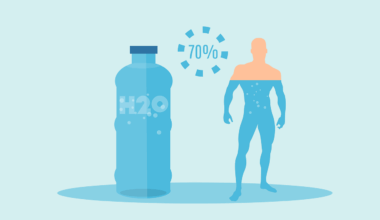
Nutrition is fundamental in shaping body composition during childhood and into adolescence. Nutritional inadequacies have the potential to stifle growth and lead to an increased risk of obesity. Evidence suggests that diets high in sugary foods and low in essential nutrients may correlate to greater weight issues in later years. Conversely, a well-rounded diet that includes fruits, vegetables, whole grains, and proteins fosters healthy growth patterns. Parents must prioritize education on nutrition for themselves and their children. Incorporating family meals can strengthen social bonds and promote healthy eating habits. Additionally, the early introduction of healthy foods can establish preferences that persist into teenage years. Alongside proper nutrition, hydration plays a crucial role in physical development. Water supports numerous bodily functions and should be emphasized. Children should be encouraged to drink water instead of sugary beverages. Educating children about nutrition can empower them to make healthier choices independently. Such knowledge becomes crucial during adolescent years when peer influence and lifestyle changes emerge. Programs that promote lifelong healthy eating patterns can blunt the rise of adolescent obesity and its associated complications.
Physical activity is another key element affecting body composition in adolescents. Regular exercise among children helps establish foundational skills for an active lifestyle. Poor physical activity levels in early childhood can lead to a greater likelihood of obesity during adolescence. Engaging in diverse activities improves gross motor skills and encourages confidence in physical capabilities. Schools can provide structured programs to instill these habits among students, helping them find enjoyment in a variety of sports and activities. Furthermore, community initiatives that offer accessible recreational opportunities can motivate families to participate in active lifestyles. Parents and guardians should explore these resources to inspire their children. By promoting a routine that includes physical activity, children increase their chances of maintaining healthy body weight. Exercise has benefits beyond body composition. It reduces the risk of chronic diseases, enhances mental well-being, and boosts academic performance. Encouraging kids to view physical activity as a fun part of their daily routines fosters a sense of ownership over their health. Ultimately, strengthening the connection between physical activity in childhood and positive body composition outcomes in adolescence serves as a powerful motivator for sustained healthy habits.
Social Influences and Body Composition
The social environment surrounding children plays a vital role in shaping their body composition throughout development. Peer influence, parental attitudes, and community resources can dictate dietary habits and activity levels. Social pressures during adolescence, such as the desire for acceptance, can further impact body image and eating behaviors. It is essential to foster positive environments that promote self-esteem regardless of body type. Educating children about diversity in body shapes encourages acceptance and creates a supportive atmosphere. Schools can implement programs that highlight healthy habits without stigmatizing body image. This approach contributes positively to psychological well-being and overall health outcomes. Parents should strive to model healthy lifestyle choices consistently. By creating an open dialogue about body image concerns, families can counteract societal pressures. The involvement of community groups to support healthy activities further enriches the environment. Events such as community sports leagues or cooking classes can promote collective healthy habits. By addressing social factors, we can forge paths that lead to better health outcomes in adolescence based on resilience against negative influences and shared community practices.
Longitudinal studies reveal that early interventions significantly enhance body composition outcomes in adolescents. Introducing programs focused on nutrition and physical activity during childhood proves beneficial for long-term health. Programs that target parents, schools, and communities can ensure comprehensive support. For example, school-based interventions yield promising results when they combine nutritional education with physical activity promotion. Additionally, efforts need to focus on monitoring growth and health metrics regularly. Tracking progress helps identify children who may require additional assistance in their health journey. Structured assessments empower families to address concerns before they lead to obesity. Comprehensive healthcare reform can also facilitate access to necessary resources for families in need. Programs should prioritize underprivileged communities that face systemic barriers to healthy food access and recreation. Federal, state, and local agencies can collaborate for effective initiatives that improve access and outcomes. Raising awareness about childhood obesity through campaigns and workshops can catalyze community involvement and drive change. Addressing body composition early on while considering socioeconomic factors can create a ripple effect of positive health changes through generations.
Conclusion and Future Directions
In conclusion, the complex relationship between early childhood growth patterns and adolescent body composition warrants ongoing research and intervention. Future studies should explore individual variances that may affect outcomes, such as genetics and socioeconomic factors. Emphasizing personalized care approaches can allow tailoring interventions to meet the unique needs of each child. Assessing the long-term efficacy of current programs is essential. This assessment will help determine their sustainability and areas needing improvement. Collaboration between multiple stakeholders, including schools, healthcare professionals, and families, is fundamental for success. Implementing innovative and effective strategies requires a collective commitment to prioritizing childhood nutrition and physical activity. Additionally, addressing mental health topics related to body image is critical in fostering supportive environments. Preventive measures should be at the forefront of public health agendas. Encouraging communities to invest in children’s health creates lasting legacies that can resound in future generations. Cross-cultural perspectives on child development should also be considered to improve interventions globally. By focusing on the interconnectivity of growth patterns and body composition, we can promote healthier futures for today’s youth.
Ultimately, maintaining a focus on the importance of early childhood health will yield beneficial outcomes in shaping healthier generations. Integrating comprehensive strategies creates a holistic approach to addressing childhood obesity. The commitment to fostering supportive family, education, and community environments serves as a powerful tool to influence positive patterns. By equipping parents, educators, and health professionals with the necessary resources, we can effect meaningful change. Continuous evaluation and adaptation of programs are critical to addressing evolving societal challenges. Enhanced understanding of childhood nutrition, physical activity, and social influences can guide future policy and program development. Leveraging data-driven insights will further refine strategies to provide tailored support for children and families. In the long run, nurturing the physical and psychological aspects of child health is vital for developing resilient, healthy adolescents. As our understanding of these complex interactions evolves, we must remain proactive in our efforts to impact children’s well-being positively. Each stakeholder has a part to play in this journey toward healthier futures, beginning with the earliest growth stages and extending through adolescence into adulthood.