
High-Intensity Training Techniques for Muscle Gain
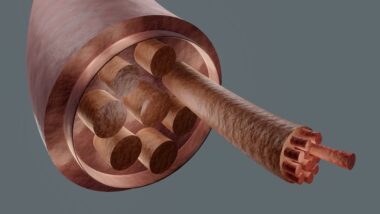
High-intensity training (HIT) techniques are a key ingredient in any muscle-building routine. These methods not only enhance muscle growth but also increase overall fitness levels. One effective technique is the use of supersets, which involves doing two exercises back-to-back without rest. This approach increases muscle tension, facilitating greater hypertrophy. Another strategy is drop sets where you perform your exercise to failure, reduce the weight, and then continue. This keeps your muscles under pressure. Moreover, incorporating plyometric exercises, such as jump squats, can intensify workload and activate fast-twitch muscle fibers, crucial for muscle development. Lastly, progressive overload is fundamental; regularly increasing weights ensures continuous muscle adaptation and growth. These strategies combined create a powerful HIT regimen that can significantly elevate your muscle-building potential. Apply these methods in your workouts to witness substantial gains, leading towards your fitness goals. Remember, recovery is just as important; incorporating rest days allows muscles to repair and grow. Focus on nutrition too, ensuring adequate protein intake to fuel your training and aid recovery.
Implementing HIT Principles
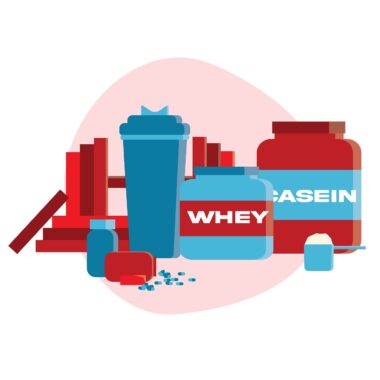
To effectively implement high-intensity training principles, it’s vital to focus on proper technique. This ensures safety and maximizes benefits. Start by familiarizing yourself with correct forms for each exercise type. Additionally, mini workout plans can help structure your sessions. Incorporate multiple compound movements like deadlifts, squats, and bench presses to target several muscle groups efficiently. Circuit training further enhances intensity; rotate swiftly through different exercises to keep heart rate elevated while working various muscle fibers. Furthermore, establishing a consistent schedule aids in tracking progress and adhering to your fitness goals. Monitor your lifts and adjust accordingly to optimize growth. Remember to incorporate variety in exercises to prevent plateaus, ensuring fresh stimuli for your muscles. Also, paying attention to your nutrition supports recovery and performance; consuming a balanced diet with sufficient protein is essential. Supplements like BCAAs or whey protein can also complement your diet, enriching your muscle recovery and building process. Lastly, always listen to your body; if you’re fatigued, adjust your intensity or rest as needed to maintain effectiveness and prevent injuries.
High-intensity training not only accelerates muscle gain but also boosts mental fortitude. Mental toughness is crucial; the gym can be tough, and maintaining discipline ensures you stick to your regime. Fitting HIT into your routine can initially seem challenging; however, consistency is key. To foster a positive mindset, celebrate small victories and progress. Keep a workout journal to track exercises and outcomes. This accountability boosts motivation and progress tracking. Additionally, educate yourself; understanding the science behind HIT helps you appreciate its value, enhancing commitment. Don’t hesitate to seek advice from fitness professionals to perfect your technique and push your limits safely. Social support from fellow gym-goers can further motivate you; consider finding a workout partner who shares similar goals. Lastly, integrate recovery practices, such as stretching or foam rolling, to aid muscle repair and enhance flexibility. This creates balance in your routine, lowering injury risks. Enjoy the journey towards your fitness goals—embrace the challenges and celebrate the gains!
Nutrition for Muscle Building
Nutrition plays a vital role in muscle building and high-intensity training effectiveness. Adequate protein intake is critical; aim for a daily intake between 1.6-2.2 grams per kilogram of body weight. Incorporating lean meats, dairy, and plant-based proteins ensures you meet your goals. Carbohydrates fuel your workouts; opt for complex carbs like whole grains and vegetables that provide sustained energy during high-intensity sessions. Healthy fats are equally important for hormone production and overall health. Add sources such as avocados, nuts, and olive oil to your meals. Timing your meals is crucial; consuming a balanced meal post-workout replenishes energy stores and aids muscle recovery. Consider pre-workout snacks to boost energy levels; bananas or protein shakes can be beneficial for endurance. Hydration should not be overlooked; dehydration hinders performance. Aim to drink sufficient water throughout the day. Moreover, meal prepping helps ensure you maintain healthy eating habits amidst a busy schedule. Track your caloric intake to align with your training intensity, adjusting as needed to promote optimal muscle gain.
Optimizing your workout environment enhances the efficacy of high-intensity training. A motivating setup can significantly impact performance; bright lighting and energizing music can uplift spirits. Keep your workout space organized, ensuring easy access to equipment. Finding suitable training partners also enriches the experience; a shared journey promotes accountability and healthy competition, pushing each other to achieve more. Beyond the gym, consider investing in home workout gear to ensure consistency on off days. Resistance bands, kettlebells, or dumbbells provide versatility, allowing for a high-intensity experience at home. Remote fitness communities may also prove beneficial; engaging with others through online forums can keep you inspired. Setting clear and measurable goals is essential; outline weight targets or reps and share them to galvanize commitment. Regularly review and adjust these objectives to stay challenged. Lastly, supplementing training with cross-training sessions may enhance overall fitness. Engaging in activities like cycling or swimming diversifies muscle use and prevents burnout, keeping motivation levels high. Embrace each aspect of your training journey, advocate for the results, and remain committed to long-term success.
Post-Workout Recovery Strategies
Post-workout recovery strategies are essential following high-intensity training sessions focused on muscle gain. Prioritizing recovery ensures that your hard work translates into tangible results. Start by cooling down with light stretching after your sessions; this alleviates muscle tightness and improves flexibility. Consider incorporating foam rolling to relieve muscle soreness and enhance circulation. In terms of hydration, drink water post-workout to replenish lost fluids; you may also consider electrolyte drinks for longer sessions. Additionally, ensure post-workout meals contain a mix of proteins and carbohydrates. Protein supports muscle repair, while carbs replenish energy reserves. Timing is crucial; aim to consume these nutrients within 30 minutes post-workout for optimal results. Furthermore, sleep plays a vital role in recovery; aim for 7-9 hours to support muscle growth and repair. Stress management techniques can expedite recovery—practices like yoga, meditation, or deep-breathing exercises may enhance mental and physical recovery. Lastly, listen to your body to prevent overtraining; if fatigue persists, strategically incorporate off days into your routine to rejuvenate fully. Remember, recovery is just as critical as the workout itself in promoting muscle gain.
In conclusion, utilizing high-intensity training techniques for muscle gain is a powerful method when executed correctly. These principles can significantly enhance your muscle-building journey while ensuring progress and longevity. Focus on combining various approaches to maintain interest and track your progress systematically. Integrate proper nutrition, hydration, and recovery practices to create a holistic training regimen that fosters optimal growth. Continuous adjustment of tactics based on your physical responses ensures you’re always pushing boundaries. Surround yourself with motivation, whether from training partners, online communities, or fitness goals; these aspects can elevate your training experience. Lastly, celebrate all achievements, even the smallest victories, as this positivity fuels the motivation necessary for long-term success. High-intensity training calls for dedication but offers immense rewards along the way. Keep challenging yourself, and don’t shy away from seeking assistance or advice when needed. Over time, your body will adapt to the increased training intensity, leading to remarkable muscle gains. Remain patient and committed to your high-intensity journey, and the results will undoubtedly follow.
Ultimately, the journey towards high-intensity muscle building is highly personal, allowing ample room for individual preference and variation. By embracing the strategies mentioned, you’ll be well-equipped to explore your limits and achieve your goals. Remember the importance of enjoying the process; it transforms training into a rewarding experience. The learning curve may be steep initially, but persistence pays dividends. Keep exploring various exercises and find what resonates most with your body. Over time, you’ll identify the routines that yield the best results for you. Evaluating progress regularly keeps you aligned with your objectives, adjusting methods as required. Surround yourself with positive influences to create an encouraging atmosphere, and always stay inquisitive. Engaging with fitness literature or reputable online resources can deepen your knowledge and fuel your ambition. Hence, developing a well-rounded understanding of HIT prepares you for diverse training conditions. Ensure you remain resilient; challenges are part of the journey. Stay flexible in your approach, adapting to challenges while remaining focused on the destination. With these principles in mind, prepare to embrace a transformative high-intensity training experience that shapes not only your physique but also your mindset.