
The Influence of Sensory Integration on Emotional Regulation and Movement
Sensory integration plays a significant role in how we regulate emotions and movements. Our sensory systems process information from the environment, allowing us to respond appropriately. When sensory integration is smooth, we experience better coordination and emotional stability. Conversely, disruptions in sensory processing can lead to difficulties in these areas. For example, individuals with sensory processing disorders may struggle to balance emotions effectively and may exhibit clumsiness in movement. Understanding sensory integration mechanisms provides insights into both emotional and physical development.
Research has shown a strong correlation between sensory integration and emotional regulation. Children who struggle with sensory processing often demonstrate heightened emotional responses. Their reactions can appear disproportionate because the brain has difficulty processing sensory information accurately. Consequently, these emotional challenges can hinder their physical coordination as well. Parents and educators should be aware of these connections to support children in developing effective coping strategies. By addressing sensory integration issues early on, we can foster healthier emotional regulation and improve coordination skills for future activities.
The Role of Sensory Experience in Development
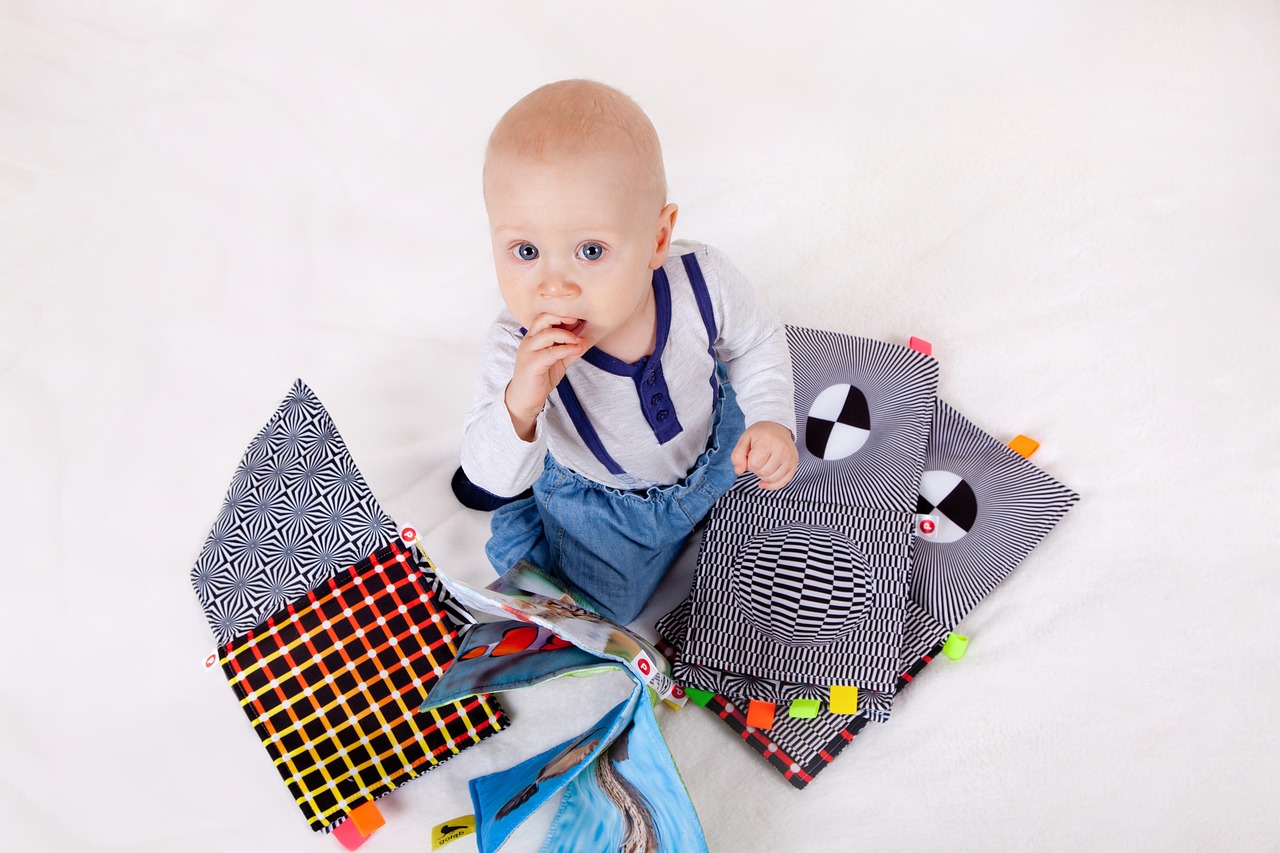
Children engage with their environments through sensory experiences, which are vital for their development. They learn about their surroundings by interacting with various stimuli, such as sounds, sights, and textures. Each positive experience contributes to building their sensory integration capabilities. For optimal developmental growth, consistent practice with varied sensory activities enhances both movement and emotional regulation. Activities such as climbing, jumping, or dancing stimulate the vestibular system, fostering balance. Sufficient exposure to these experiences will ultimately result in more controlled movements and emotional responses.
Incorporating sensory-rich activities into daily routines can help individuals improve their emotional regulation and movement skills. Parents can create opportunities for sensory play, such as playing with playdough or engaging in water play, which can enhance motor skills. Therapists can utilize specific interventions, such as occupational therapy, focusing on sensory integration techniques to address emotional dysregulation. Regular participation in these activities promotes better coordination and allows individuals to express their feelings more appropriately, strengthening the link between sensory input and emotional control.
Strategies to Enhance Sensory Integration
Implementing effective strategies in daily life can significantly bolster sensory integration. These strategies involve creating an environment that encourages sensory exploration. Examples include manipulating varying textures, adjusting lighting, and managing noise levels. Engaging children with diverse sensory tools, such as fidget toys or sensory bins, may facilitate improved emotional regulation over time. As children explore these different sensory experiences, they build the ability to modulate their emotional responses. Gradually, they learn to manage their movements more effectively, enhancing coordination and control.
Additionally, mindfulness practices can be beneficial for individuals seeking to enhance sensory integration. Activities like yoga and meditation promote focus and self-awareness, helping to manage emotional responses. By establishing a routine that incorporates these practices, individuals can strengthen their sensory processing abilities over time. This integrated approach encourages greater physical awareness, leading to more coordinated movements and emotional regulation. The fusion of mindfulness with sensory exploration allows individuals to better connect their bodies with their emotional states, promoting overall well-being.
Conclusion: The Importance of Sensory Integration
Understanding the importance of sensory integration on emotional regulation and movement is crucial for holistic development. By recognizing how sensory input impacts emotional responses, caregivers, educators, and therapists can create supportive environments. Prioritizing sensory experiences in developmental practices allows children to build foundational skills that govern their emotional and physical interactions. Consequently, those who experience difficulties with sensory integration can benefit from tailored interventions that actively promote better coordination and emotional balance. Fostering these skills provides a path toward optimal functioning in various life domains.
In conclusion, sensory integration is a key factor influencing both movement and emotional regulation. By prioritizing sensory-rich activities, individuals of all ages can cultivate improved emotional responses and coordination. The interconnectedness of sensory processing, movement, and emotional regulation highlights the need for deliberate focus on these areas. Creating environments that facilitate sensory experiences can lead to substantial improvements over time. Ultimately, addressing sensory integration in both educational settings and therapeutic interventions will empower individuals to thrive physically and emotionally in their daily lives.