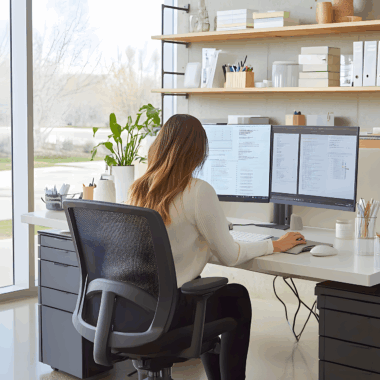

Designing Collaborative Workspaces with Ergonomic Considerations
In today’s fast-paced work environment, creating a collaborative workspace that emphasizes ergonomic considerations is paramount. Ergonomics improves comfort and productivity, allowing employees to thrive. A well-designed office prompts creativity and communication by maximizing mobility and minimizing discomfort during collaboration. Employees should prioritize their well-being by optimizing their environmental setups while working. Implementing adjustable desks can help facilitate collaboration between colleagues with differing height preferences, promoting inclusivity in shared spaces. High-quality ergonomic chairs that should include lumbar support can significantly reduce discomfort during long collaborative sessions. Gathering feedback from team members regarding their workspace preferences can lead to a more tailored office design. Lighting plays a crucial role in ergonomics as well; soft, adjustable lighting promotes eye comfort during group tasks. In addition to general design choices, personal items or motivational decor should be encouraged to enhance productivity while collaborating. Regularly set up communal spaces that allow for movement and creativity can counteract tension and fatigue among team members. Ergonomic products, when integrated thoughtfully, have the power to boost morale and enhance collaborative efforts, making them indispensable in modern office environments that value teamwork and wellness.
Key Features of Ergonomic Office Setup
When outlining the essential elements for an ergonomic office setup, various factors come into play to create the ideal work environment. Prioritizing layout is crucial; ensuring that workspaces encourage movement between team members enhances communication. Collaborative spaces should include not only desks but also lounge areas that allow for informal meetings. Ensuring optimal seating arrangements can foster dialogue, reducing strain from prolonged sitting. In addition to comfort, equipment selection strongly impacts workspace ergonomics. Adjustable monitors that align with eye level are vital, paired with anti-glare screens to minimize strain. Other critical components include keyboard and mouse positioning; these should promote neutral wrist positioning to reduce injury risks. File storage placement should encourage standing and movement while avoiding excessive stretching or bending. Color schemes can also affect employee moods, with softer tones inducing calmness, and vibrant colors increasing energy. Implementing standing desks into shared spaces promotes a dynamic work environment, encouraging turnover in positions and reducing fatigue. Training employees on proper posture and functional movements can cultivate a culture of ergonomics. Ultimately, a successful ergonomic office setup accommodates both individual needs and collaborative tasks in an integrated manner.
Another essential aspect of establishing ergonomic office spaces is incorporating technology smartly. Innovative tools can enhance collaboration and allow seamless interaction among team members. For example, using cloud services for document sharing can minimize confusion in group projects, making accessibility easier for all. Collaboration software should also be user-friendly, aiding communication without overwhelming users. Project management tools can facilitate workflow and efficiency, keeping everyone on the same page. Meeting spaces should be equipped with technology that enables remote participation, allowing flexibility in collaboration. Setting up collaborative whiteboards or screens can promote brainstorming and enhance creative discussions. Additionally, mobile devices, when utilized effectively, can foster spontaneous team interactions that lead to effective problem-solving. Keeping technology within ergonomic reach prevents strain while working at collaborative stations. Regularly updating technological resources ensures that employees have access to the best tools available. This integration combines comfort with modern innovation, creating an inviting atmosphere that encourages teamwork. Without doubt, the thoughtful incorporation of technology into collaborative workspaces is crucial in maintaining both ergonomics and productivity in today’s ever-evolving office landscape.
Benefits of a Collaborative Ergonomic Office
Creating a collaborative ergonomic office offers myriad benefits that go beyond physical comfort. Foremost, such environments enhance communication among employees, promoting productive teamwork. Positive vibrations emanating from improved collaboration can foster stronger interpersonal relationships, often resulting in increased employee satisfaction. Organizations that prioritize ergonomic workspaces typically experience reduced absenteeism due to minimized discomfort and injury risks. Active environments spark creativity and inspire innovative thinking as team members share ideas more freely in comfortable spaces. Enhanced mood and morale also contribute to heightened team spirit and cohesiveness in the workplace. Moreover, companies implementing ergonomic design observe increased productivity as employees feel better capable of accomplishing their tasks without physical strain. Additionally, a commitment to ergonomics can significantly improve talent retention, attracting more candidates drawn by such progressive work practices. Organizations demonstrate care for employee well-being, contributing to a reputation as a desirable workplace. Employees who feel valued tend to invest more in their work, leading to improved performance outcomes. Furthermore, implementing growth-oriented practices within an ergonomic environment can cultivate future leaders who are firmly rooted in a well-balanced approach toward health and productivity.
Encouraging collaboration within an ergonomic office requires ongoing assessments and adaptations. Regularly gathering feedback from employees regarding workspace functionality can reveal valuable insights for future improvements. Conducting ergonomic assessments helps identify specific pain points that require attention, ensuring that the workplace evolves according to employee needs. Creating a culture of collaboration entails periodically revisiting these assessments, keeping an open dialogue on workspace comfort and efficiency. Employers should also promote flexibility; allowing employees to customize their workstations empowers them to take ownership of their environment. Group activities like wellness workshops can enhance knowledge about posture and ergonomics, fostering a supportive community. Additionally, organizing training programs to educate employees on proper ergonomic practices can further mitigate risks of injuries. Evaluating the effectiveness of the office layout allows organizations to allocate resources efficiently, addressing gaps and ensuring comprehensive coverage for all personnel. Ultimately, fostering a continuous feedback loop cultivates a sense of belonging among employees, reinforcing their commitment to collective goals. By maintaining focus on ergonomic principles and collaborations, organizations can secure the longevity and vitality of their workspace.
Final Thoughts on Ergonomic Workspaces
As we move into a future that emphasizes collaboration and flexibility, the design of office spaces must prioritize ergonomics in every aspect. Not only does an ergonomic workspace improve individual productivity, but it also fosters a collective atmosphere that encourages team engagement and morale. Organizations that embrace these principles should continuously monitor employee wellness and adapt spaces accordingly, recognizing that each employee’s needs are unique. Emphasizing inclusive design enhances comfort for everyone, ultimately translating into better overall performance. The integration of break areas and adjustable workstations further promotes relaxation and sets the stage for creative brainstorming sessions. As innovations in ergonomics evolve, organizations must stay informed about emerging products that enhance workplace well-being, integrating them seamlessly into the office culture. Investing in ergonomic features is tantamount to investing in organizational success, yielding significant returns through increased employee satisfaction and reduced turnover. Therefore, companies committed to creating environments that empower their teams should prioritize ergonomics as a core aspect of their design philosophy. In conclusion, fostering an ergonomic office is not merely a trend; it is an essential investment in a productive and happy workforce.
In conclusion, developing an ergonomic office environment that promotes collaboration requires a comprehensive approach encompassing design, technology, and employee engagement. Organizations must prioritize ergonomic solutions to retain staff and boost morale amidst corporate challenges. Accessibility to ergonomic furniture and tools not only enhances daily comfort but also aids in the cultivation of a proactive work culture that values health and productivity. Moreover, engaging employees in developing their workspace encourages pride and ownership, bridging gaps that may arise due to differing personal preferences. A collaborative atmosphere where team members feel at ease allows for ideas to flourish organically, propelling projects forward. Continuous monitoring and adaptation based on feedback are vital in establishing enduring office designs that cater to ergonomic needs. By leading with empathy and understanding the importance of physical well-being, organizations can nurture a supportive work environment. The transformative effects of such a commitment truly ripple through various aspects of company dynamics. Ultimately, integrating ergonomic considerations into office designs pushes firms towards a healthy and prosperous future, enhancing collaboration, boosting productivity, and elevating employee satisfaction.
Practical Implementation Steps
Practical steps towards an ergonomic collaborative workspace could begin with a thorough assessment of the existing office layout. Identifying areas that require improvement or adaptation may significantly impact employees’ comfort and productivity. Engaging an ergonomics expert to evaluate the workspace can provide tailored recommendations to suit the specific needs of the organization. Hands-on workshops educating employees about ergonomic principles further empower them to maintain optimum configurations at their workstations. In creating zones designed for specific tasks—such as quiet areas for focused work versus collaborative spaces—employees find it easier to switch contexts and manage their energy levels effectively. Additionally, implementing regular breaks into the workday encourages movement, reducing fatigue during collaborative projects. Allowing employees to rearrange furniture or customize their spaces will foster a sense of ownership over personal comfort while addressing team collaboration needs. Documentation of best practices regarding ergonomic workspace management can serve as a foundational guide for future initiatives. These practical strategies solidify the commitment to an ergonomic culture that continually prioritizes the well-being and effectiveness of employees while fostering collaboration and productivity.