How to Use Breath Counting in Meditation Practice
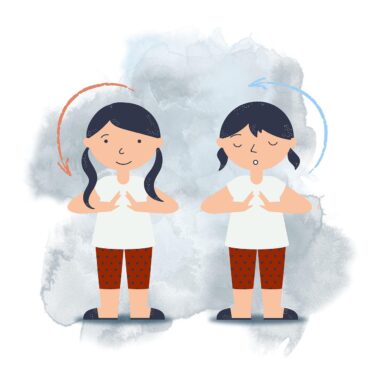
Breath counting is a profound technique within meditation, guiding practitioners to develop focus and mindfulness. This method entails counting your breaths consciously, allowing distractions to fade into the background. To implement this, begin by finding a comfortable seated position, ensuring your spine is straight and body relaxed. Close your eyes softly and take a few deep breaths to settle. Inhale deeply through the nose, expanding your diaphragm, then exhale gently. As you breathe in and out, start to count each breath. Count “one” on your first inhalation, “two” on your exhalation, continuing this way until you reach a count of ten. If your mind wanders, gently bring your focus back to the counting process. This practice not only aids concentration but also fosters a deeper connection with your breath, improving overall meditation experiences. Engaging in breath counting can significantly enhance your awareness, transforming your meditation sessions into enriching journeys of self-discovery. Remember, consistency is key, so integrate this practice into your daily routine to cultivate lasting mindfulness and awareness.
One practical tip for effective breath counting is to manage expectations. It’s essential to approach this practice with patience and an open mind. Initially, you may find your thoughts wandering or losing count, which is completely normal. Instead of feeling frustrated, acknowledge these distractions and gently return to the counting. Consider setting a timer for your practice, starting with five to ten minutes, and gradually increasing as you become more comfortable. This allows you to build stamina without overwhelming yourself. Additionally, you might find it helpful to choose a specific part of your day to practice breath counting, integrating it smoothly into your routine. Choose moments of stillness— in the morning to start your day positively or before bedtime to unwind and relax. Believe in the process, and over time, you will likely notice your ability to concentrate and maintain focus improve. As with any skill, the more you practice, the more effective and effortless it becomes. Embrace the journey of mastering breath counting as part of your meditation practice.
Challenges in Breath Counting
While breath counting is a beneficial technique, it does come with some challenges that practitioners may encounter. One common issue is the tendency to become frustrated due to distractions or wandering thoughts. These distractions can stem from external noises or internal dialogues that disrupt your counting. To combat this, create a serene environment where you can meditate undisturbed. This could mean selecting a quiet room, using noise-canceling headphones, or even playing soft background sounds. Moreover, it’s vital to have realistic expectations. Meditation is a skill that develops over time, and struggling with distraction is part of the learning curve. If you lose count, acknowledge it without self-criticism and simply return to one. Relaxation can aid in counteracting frustration as well. Instead of trying to force focus, be gentle with your approach, letting go of the need for perfection. Another challenge may arise from the rigidity of counting itself. You might find that the act of counting feels restrictive or competitive. If this happens, consider using a more relaxed version of breath counting, where you focus on your breath naturally instead.
Another aspect to consider in overcoming challenges is the role of visualization. For many, incorporating visual imagery can significantly enhance breath counting practices. Imagine each breath as a wave gently washing ashore, with each count marking a rhythmic ebb and flow. This imagery can create a calming visual that can assist in maintaining focus and presence during meditation. Additionally, consider expanding your breath counting practice by introducing variations, such as counting on your inhalation and out-breath separately. Instead of a strict one to ten count, allow some fluidity by counting consecutively and then counting backward. This can expand your awareness of your breathing and help move you deeper into your meditative state. The goal is to find what resonates with you personally. Don’t hesitate to experiment until you find your unique approach to breath counting. Remember, meditation is a deeply personal journey, and there is no one-size-fits-all method. Adapting your techniques encourages growth and exploration in your practice.
Benefits of Breath Counting
The benefits of breath counting in meditation are numerous and impactful. Engaging in this technique fosters enhanced focus, particularly for beginners who find it challenging to quiet the mind. By counting your breaths, you anchor your thoughts, minimizing distractions, and creating a mindful space where clarity can emerge. Breath counting also teaches you about your breathing patterns, making you more aware of how you breathe throughout the day. This newfound awareness often extends beyond meditation, influencing stress management and emotional regulation in daily life. Furthermore, this practice promotes relaxation and alleviates anxiety. By concentrating on your breath, your body naturally activates the parasympathetic nervous system, which calms the mind and induces a sense of peace. Consequently, this effect can lead to improved sleep quality and overall mental well-being. Regular practice can also deepen your connection to your body, allowing you to attune to its sensations and signals. As you become more mindful, you may also develop greater empathy toward yourself and others, enriching your relationships beyond the mat.
In addition to the personal benefits, engaging in breath counting can inspire a sense of community among practitioners. Sharing insights about breath counting with fellow meditators enhances learning and exposes you to diverse techniques and approaches. Joining a meditation group, whether in-person or online, lets you exchange experiences, challenges, and triumphs, fostering a supportive network. As you delve deeper into breath counting, you may also explore guided meditations centered on breath awareness. Various apps and platforms feature guided sessions that specifically focus on breath counting, providing useful structure for your practice, especially during difficult phases of concentration. Look for reputable sources with experienced teachers to ensure the information is accurate and safe. Besides, deepening your understanding of the breath’s impact on emotions and mental health can enrich your meditation journey. Seek books or online resources dedicated to breathwork and meditation, enhancing the knowledge you bring to your practice. By investing in learning more about breath counting and its effects, you ensure a sustainable and transformative meditative experience that supports your overall wellness.
Conclusion: Embracing Breath Counting
In conclusion, embracing breath counting in your meditation practice can be a transformative experience. As you familiarize yourself with this technique, remember the importance of patience and self-compassion. Every individual’s journey is unique, and it’s perfectly normal to encounter obstacles along the way. Keep an open mind, experimenting with different variations until you find what aligns with you. As you deepen your practice, you will likely notice a significant shift in your overall awareness not only during meditation but also in your daily life. Breath counting serves as an invaluable tool for grounding yourself during moments of overwhelm and uncertainty. Ultimately, the goal of incorporating breath counting into your practice is to foster a deeper connection with yourself. This profound connection encourages a greater understanding of your thoughts, feelings, and physical sensations. Through breath counting, you pave the way for greater mindfulness and self-awareness. Encourage others in your community to explore this method as well. As you share this technique, you expand the potential for collective growth in meditation practices. Remember, each breath counts!