
Strength Training in Prenatal Group Fitness Classes
Engaging in strength training during pregnancy can offer numerous benefits for expectant mothers. It promotes overall health, helps to manage weight, and prepares the body for the physical demands of labor. Prenatal fitness classes that incorporate strength training focus on exercises designed specifically for pregnant women, ensuring safety and efficacy. These classes often include bodyweight exercises, resistance bands, and light weights. It’s crucial to work with a qualified instructor who understands prenatal exercise guidelines. This ensures modifications are provided, taking into account the physical changes in a pregnant body. Additionally, group fitness classes foster a sense of community among participants, allowing mothers-to-be to connect and support each other. The social aspect diminishes feelings of isolation, which can sometimes accompany pregnancy. Furthermore, regular participation in these classes can improve mood and energy levels, countering the fatigue that often accompanies pregnancy. Women are also likely to feel empowered by strengthening their bodies to better handle childbirth. Therefore, prenatal strength training is not only beneficial for physical fitness, but also for emotional well-being during this transformative stage of life. An informed and supportive environment enhances these vital experiences.
One of the significant advantages of strength training in prenatal group fitness classes is the enhancement of physical stability. By building core muscles and leg strength, expectant mothers can improve their posture, reducing back pain significantly. Proper alignment becomes crucial as the center of gravity shifts during pregnancy. Stronger muscles provide better support to the joints, decreasing the risk of injuries or falls. Additionally, specific strength training exercises target pelvic floor muscles, which are vital during and after delivery. This increases awareness and control, contributing to a smoother birthing process and recovery thereafter. Moreover, strength training aids in preparing for the physical challenges of motherhood. Lifting and carrying a newborn requires adequate strength and stamina. Pregnant women must develop the physical capacity for childcare responsibilities. Throughout the growth of the baby, the body undergoes changes that can lead to discomfort or reduced fitness levels. Strength training directly counters these effects, ensuring that women maintain their fitness. Therefore, participating in prenatal fitness classes is a proactive approach to ensuring that mothers feel strong and capable as their bodies adapt during this critical time.
Benefits of Group Dynamics
Participating in group fitness classes provides a structured environment that may enhance commitment to an exercise regime. The collective motivation often encourages participants to push themselves further than they might on their own. This accountability within a group setting fosters consistency, which is essential for making lasting fitness gains during pregnancy. Regular attendance at classes also introduces a routine, which can be comforting during the unpredictable phases of pregnancy. Furthermore, group fitness classes often celebrate milestones, such as personal achievements or weeks of consistent attendance, which can bolster participants’ confidence. Receiving encouragement from fellow participants creates a sense of camaraderie. Additionally, the presence of a qualified instructor ensures that modifications are readily available, catering to individual needs within the group. This personalized attention in a communal setting can make all individuals feel valued and supported. As women progress through their pregnancy, sharing experiences or challenges with others can serve as a powerful reminder that they are not alone. The social benefits of group fitness support emotional health, which is equally important as the physical aspects of prenatal strength training. Overall, the communal experience enriches the participants’ journeys.
Safe strength training should be prioritized during prenatal classes to minimize risks. To ensure safety, modifications and guidelines set forth by health professionals are indispensable. Each woman’s pregnancy journey is unique; hence, instructors must evaluate individual fitness levels before introducing exercises. Adequate warm-ups and cool-downs help prevent injuries and prepare the body for activity. Classes should integrate cardiovascular components to ensure holistic fitness. This balance can enhance overall endurance, which is beneficial during labor. Hydration is also stressed during workouts, as the body requires extra water to support both mother and baby. Learning proper lifting techniques helps prevent strain on the body, especially considering hormonal changes that can affect ligaments. Ignoring these vital aspects may lead to discomfort or unwanted complications. Moreover, opting for low-impact exercises decreases the likelihood of injury while still providing an excellent workout. Using props such as stability balls or resistance bands can enhance movements without overwhelming participants. By recognizing the importance of safety, instructors can create environments conducive to successful prenatal fitness experiences. Women can embrace their changing bodies while feeling empowered and supported throughout their fitness journey.
Exercise Examples for Prenatal Classes
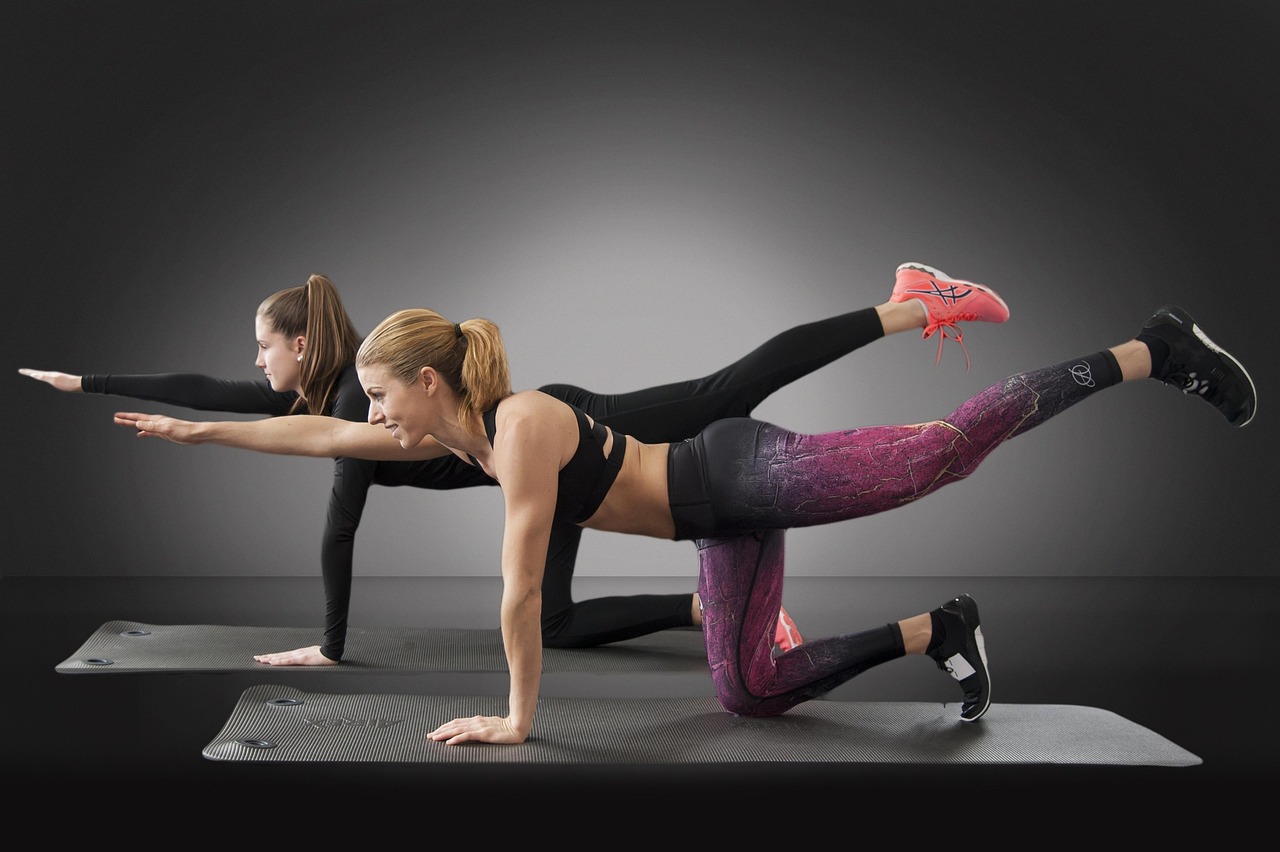
Prenatal group fitness classes often include a variety of exercises that cater to the needs of expectant mothers. Some effective activities include squats, which strengthen the legs and pelvic floor while promoting balance. Modified push-ups and wall push-ups also engage upper body strength without excessive strain on the lower back. Resistance bands can be used for arm exercises that provide support and resistance while minimizing pressure. Gentle yoga movements help improve flexibility and relaxation, addressing stress and tension. Core strengthening exercises, such as seated leg lifts, contribute to back support and stability. Another popular option is dancing, which provides cardiovascular benefits and enjoyment. Posture-focused exercises are vital, as they can enhance body alignment, directly impacting how mothers carry their babies. Include gentle stretching routines to maintain muscle flexibility and circulation. Importance is placed on control and effort rather than intensity. Additionally, prenatal classes teach breathing exercises that can be highly beneficial during labor. Women should leave class feeling accomplished, rejuvenated, and more connected with their bodies. Altogether, diversified training keeps sessions engaging and encourages continued attendance in prenatal fitness routines.
Women should consult healthcare providers before beginning any new fitness program, especially during pregnancy. Understanding personal limits and health status is key in prenatal strength training. Each trimester brings distinct physical changes that may require modified approaches to exercise. Regular check-ups with healthcare practitioners ensure any risks are monitored effectively. Furthermore, certified instructors specializing in prenatal fitness can offer guidance tailored to individual needs and goals. They can provide invaluable insights when planning a workout routine appropriate for each stage of pregnancy. This supportive framework safeguards mothers and helps them remain active and healthy. Pregnant women must prioritize listening to their bodies. It’s vital to rest when needed and adapt workouts based on daily energy levels. As the pregnancy progresses, certain movements may become uncomfortable. Recognizing these signals and communicating them openly in group settings fosters a culture of understanding and care. Support from instructors and fellow participants helps women navigate these changes without judgment. Combining medical advice with community support creates an empowering atmosphere for mothers. Ultimately, engaging in safe practices lays a strong foundation for fitness that transcends pregnancy, promoting lifelong healthy habits.
Preparing for Postpartum Fitness
Significantly, prenatal fitness classes not only prepare women for childbirth but also lay groundwork for postpartum fitness. Achieving strength through targeted exercises contributes to recovery following delivery. Classes emphasize building core strength and pelvic floor recovery, essential for regaining stability post-birth. Returning to fitness after childbirth can feel overwhelming, but being involved in group classes provides continuity to a regular workout schedule. Many women find participating in prenatal classes easier due to group accountability and motivation. The classes also help develop resilience, which is vital when navigating the unexpected changes of motherhood. Building a fitness habit during pregnancy simply transitions into postpartum exercise routines, fostering lifelong health. During and after pregnancy, women’s bodies require time to heal. Therefore, incorporating flexibility into workout schedules respects personal recovery timelines. Support from fellow mothers who understand postpartum realities enhances motivation. Discussions surrounding postpartum recovery can lessen feelings of isolation. Engaging in fitness classes creates a community where women feel comfortable sharing experiences and tips. This type of encouraging environment ultimately promotes physical wellbeing and mental health among participants. Creating a supportive community can be the difference between feeling overwhelmed versus empowered during motherhood.
Finally, the importance of mental health in prenatal fitness cannot be overlooked. Regular exercise is proven to increase endorphins, contributing to enhanced emotional well-being. Group fitness settings provide opportunities for social bonds, which can combat feelings of depression or anxiety during pregnancy. The shared experiences enhance connections among participants, enriching the entire fitness journey. Moreover, learning stress management techniques through exercise can positively influence coping strategies during labor and beyond. Participants feel a sense of accomplishment that extends beyond physical fitness, boosting self-esteem and body image. Prenatal fitness classes that focus on both physical and mental health create a holistic approach to well-being. The supportive network formed among women transforms the often challenging experience of pregnancy into one filled with empowerment and positivity. Prioritizing both mental and physical health prepares women for the demands of motherhood. Expecting mothers can discover that fitness is not just about maintaining physical appearance but nurturing their emotional health. As a result, women leave classes feeling rejuvenated, excited about their transformations, and ready for the upcoming changes in their lives. Strength training in prenatal fitness classes ultimately creates a comprehensive foundation for mothers to thrive.