Future Trends in Voice-Controlled Fitness Gadgets
As technology evolves, voice-activated fitness devices are quickly becoming a centerpiece in health and wellness. The integration of voice recognition technology into fitness gadgets enhances user experience, making workouts more intuitive and engaging. These devices can execute commands, provide feedback, and interact with users in real time, creating a seamless training environment. The increasing popularity of smart assistants, like Amazon’s Alexa or Google’s Assistant, has set the stage for voice-controlled fitness tools to rise. Such gadgets will not only track regular metrics, including heart rate and steps, but will also adapt fitness programs according to verbal input. Users may simply articulate their goals or preferences and receive customized workout routines. This real-time adaptability empowers individuals to maintain their fitness regimens effectively. Furthermore, advancements in machine learning and AI will likely enhance the accuracy of these systems, allowing for more personalized experiences. Integration with nutrition apps and health monitors may also yield a comprehensive fitness ecosystem. Hence, voice-activated fitness devices will embody a futuristic approach to personal health and fitness management.
Enhanced User Engagement
Voice-activated gadgets in fitness technology are designed to enhance user engagement significantly. By enabling users to interact hands-free, they eliminate physical distractions during workouts, thereby fostering a focused environment. Imagine following a guided workout where the device listens for real-time feedback, suggesting modifications or altering intensity based on vocal cues. This evolving concept not only improves workout efficacy but also increases motivation by facilitating dynamic interactions. Moreover, with each interaction, these devices can learn and adapt to user preferences and styles. Personalized vocal feedback allows trainers to provide insights like pace adjustments, encouragement, or reminders about nutrition. As voice recognition improves, it’s possible that emotional tones will be incorporated into feedback, allowing devices to adjust their responses based on your mood and energy levels. Such emotional intelligence could be revolutionary in fitness coaching, helping users push through barriers. Developers may also incorporate social features, allowing for competitive elements driven by voice commands in team workouts. All of these developments can make fitness more enjoyable while ensuring that users achieve their personal goals consistently.
In the realm of fitness gadgets, accessibility is a crucial component that voice-activated devices strive to improve. With a voice-controlled interface, users who might struggle with complex buttons or screens can easily navigate through activities without frustration. This guarantees that individuals with disabilities or those unfamiliar with technology can engage more effectively in their fitness journey. Future designs will likely prioritize ease of use, ensuring that anyone, regardless of their tech-savviness, can harness the power of smart fitness devices. Furthermore, health experts believe that as these systems become more prevalent, there will be greater potential for dialogue-based coaching. Users may receive prompts for various activities or reminders to stay hydrated throughout their workout. An engaging way to boost accountability and fitness adherence is through friendly verbal nudges from a voice-activated assistant. This personalized interaction has potential benefits beyond simple reminders; it may include emotional support, translating to a more holistic approach to wellness. Addressing mental well-being in conjunction with physical activity reflects an overarching trend toward comprehensive fitness solutions. By placing focus on user accessibility, brands can cater to a larger audience in the fitness tech industry.
Integration with Wearable Technology
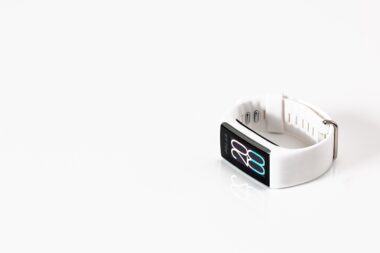
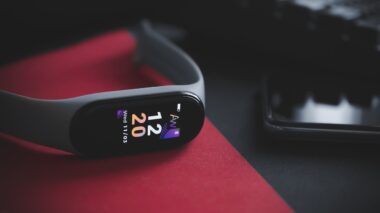
As voice technology continues to evolve, a natural ally has emerged in wearable devices. Smartwatches, fitness bands, and other wearables now often complement voice-activated systems, creating an extended ecosystem that maximizes user convenience. The synergy between these technologies will shape the future of fitness gadgets dramatically. With wearables tracking heart rates or calorie burns, voice-activated systems can process this data in real time to adjust workout intensity. Consider a scenario where a user is jogging, and their device monitors performance; it seamlessly communicates through voice commands, suggesting pace adjustments or cooldown periods. This interaction involves much more than basic commands – it is about real-time performance enhancements. As machine learning capabilities improve, the relationship between voice tech and wearables will also foster predictive features. For instance, devices may anticipate your state of fatigue or energy levels and recommend appropriate workouts accordingly. This advanced integration not only increases workout efficiency but also promotes user loyalty as fitness enthusiasts grow accustomed to personalized and responsive experiences. Synchronized voice and wearable tech represents the future’s dynamic duo in revolutionizing fitness gadget landscapes.
Another exciting trend in voice-controlled fitness devices is the push for multi-language support. As global fitness communities expand, the need for a more inclusive approach is paramount. User experience will greatly improve when voice-activated systems recognize diverse languages and dialects. This functionality could eliminate barriers, allowing non-English speakers to access workouts, training programs, and nutrition advice effortlessly. By supporting multiple languages, these gadgets attract a wider array of users, broadening the market reach. In countries where English isn’t the first language, opportunities arise for enhanced connectivity and participation in fitness culture. Likewise, creating specific regional adaptations of voice-controlled systems can facilitate personalized experiences, reflecting local customs and preferences. However, the integration of voice technology extends beyond language; it also encompasses regional accents and variations. A device that understands not just the language but also the cultural nuances will foster a much deeper connection with its users. Brands that invest in linguistic diversity will naturally gain competitive advantages, appealing to a customer base that appreciates personalized interaction. Overall, such commitment to inclusivity arises from a growing awareness in the fitness tech industry regarding diverse consumer needs.
Data Privacy Concerns
As voice-controlled fitness gadgets become progressively popular, concerns regarding data privacy also surface. Users may worry about how their spoken commands and personal information are being expressed, especially in a health-centric context. Since these devices operate continuously, ensuring secure data protection raises critical challenges for manufacturers. Consumers expect transparency about how their information is utilized, stored, and shared. Companies ought to implement robust encryption methods and user consent features, providing a transparent framework for user interactions. Enhanced data security can quell fears that their fitness data may be mismanaged, providing a sense of security. Furthermore, businesses must empower users with options to control data access, enabling them to limit what information they share. User concerns can further be alleviated through education campaigns reinforcing the importance of data privacy. Developers of voice-activated devices must communicate the safeguards in place while emphasizing user control over their information. Additionally, regular software updates should be implemented to address vulnerabilities proactively. The combination of security protocols and clear communication may cultivate a trusting relationship between consumers and fitness technology providers.
As we envision the future of voice-controlled fitness gadgets, the role of community features will likely evolve dramatically. Users not only seek solitary fitness experiences but increasingly desire social interaction and shared motivation. This social fabric could be woven into voice-activated devices that allow users to verbally engage with friends during workouts or group challenges. With the functionality to join virtual training sessions, voice-activated devices can create a sense of camaraderie among fitness enthusiasts worldwide. Moreover, these systems could foster friendly competition, encouraging accountability as users can motivate each other verbally. Real-time leaderboard functionalities would elevate engagement, allowing users to compare performance and celebrate achievements. Integrating social media connectivity into these devices may enable easy sharing of accomplishments with the user’s network. Personalized audio cues from friends or family may also boost motivation during workouts, creating a supportive environment. Community-oriented features highlight the human aspect of fitness, reinforcing the importance of connection. Therefore, these progressions in voice technology will redefine how individuals approach fitness not in isolation but as part of a larger collective journey toward well-being.
In conclusion, the realm of voice-controlled fitness gadgets stands poised for remarkable growth. Emerging trends in user engagement, inclusivity, and community building are set to shape the next generation of devices. The responsive nature of these systems, combined with the continuous evolution of artificial intelligence, will lead to unparalleled personalization in fitness journeys. Furthermore, advancements in data privacy protections will enhance consumer trust, encouraging wider adoption. As the blend of technology and fitness becomes more sophisticated, the accessibility of voice-activated devices will foster a healthier lifestyle across diverse demographics. Ultimately, the future of fitness technology lies in enhancing user experience, promoting inclusivity, and creating supportive environments, which will remain central to this rapidly evolving industry. Voice-activated fitness gadgets aim to make the path to fitness engaging, motivating, and enjoyable for everyone. Embracing the power of voice recognition is not merely a trend, but a strategy that addresses today’s fitness challenges and personalizes future experiences. Indeed, we are at the brink of a transformative era where fitness technology responds directly to its users’ needs, propelling the industry toward limitless possibilities.