
Martial Arts Training to Boost Confidence and Self-Esteem
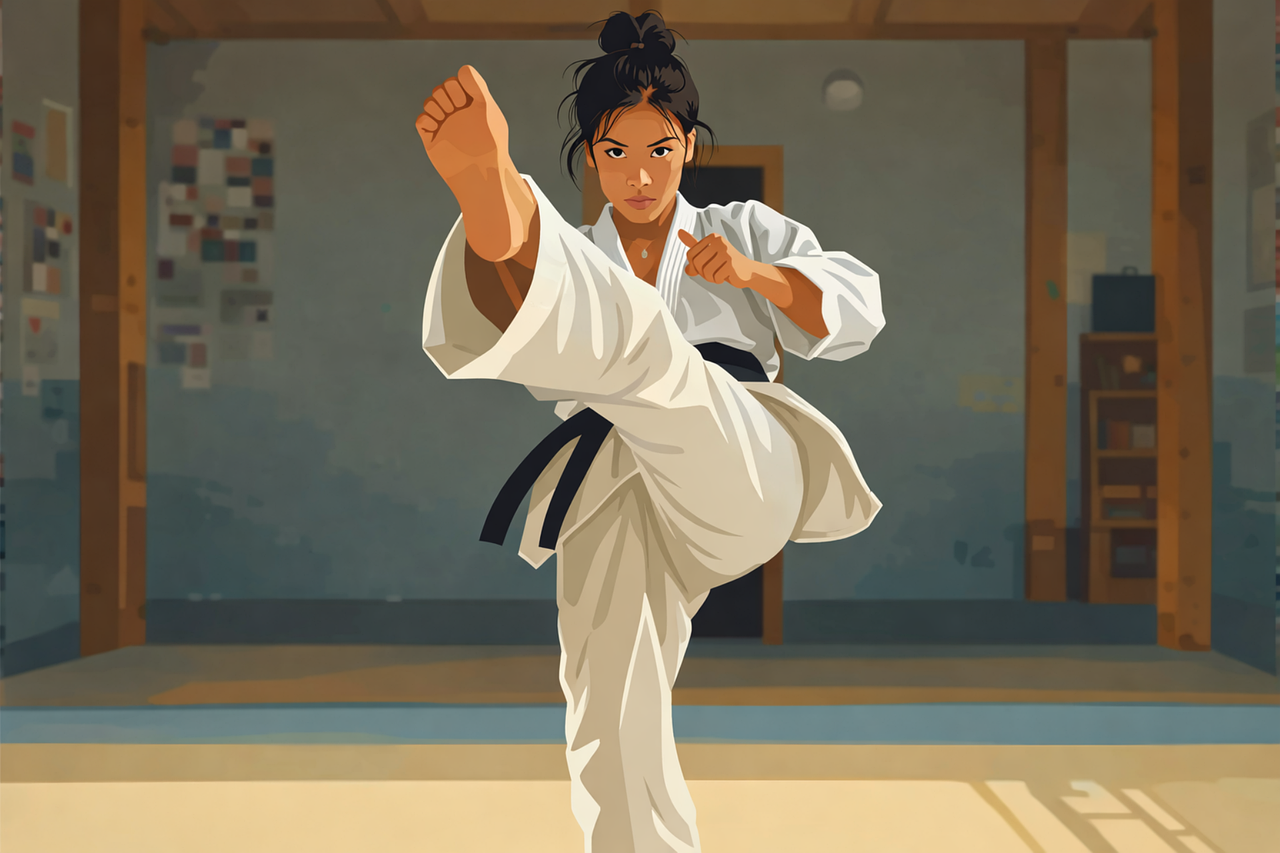
Engaging in martial arts training has been recognized as an effective method to enhance both confidence and self-esteem. Many practitioners find that learning martial arts not only improves their physical strength but also fosters a deeper sense of respect for themselves and others. When individuals face physical challenges, they often discover their inner strength, gaining a belief in their abilities as they overcome hurdles. Furthermore, martial arts training encourages discipline; each session provides a structured environment where practitioners learn to set and achieve goals, which significantly bolsters their confidence. A supportive community often arises around martial arts schools, encouraging camaraderie and friendships, establishing a safe space for learning. As trainees progress in their techniques, they experience firsthand the rewards of diligence and perseverance, reinforcing a positive self-image. The empowerment gained through martial arts translates beyond the dojo and into daily life, enhancing both personal and professional interactions. Ultimately, martial arts cultivate a mindset that embraces challenges, which can significantly improve an individual’s perspective on themselves and their capabilities.
Martial arts training is not solely about fighting techniques; rather, it encompasses numerous elements that serve to instill confidence. For instance, practitioners learn how to defend themselves, which provides a profound sense of security. This security often leads individuals to be more self-assured in various situations, whether social or professional. Moreover, martial arts classes emphasize the importance of respect and humility. Students bow before entering and after exiting the dojo, demonstrating reverence for their instructors and fellow students. This mutual respect fosters a culture of support, rather than competition, allowing students to collaborate rather than compete vigorously against one another. As individuals practice, they learn not only physical skills but also mental resilience and emotional fortitude, essential traits in overcoming life’s obstacles. In addition, this training helps in managing stress and anxiety; the focus required during practice shifts attention away from everyday worries. Many find the rhythms of their movements meditative, thus enhancing overall well-being. Ultimately, martial arts provide a multifaceted approach to personal development, strengthening mental and emotional capacity alongside physical prowess.
The Role of Discipline in Martial Arts
Discipline is a cornerstone of martial arts training, and its benefits extend well beyond the dojo. Students learn the significance of regular practice and the need for commitment to their training, which translates into other facets of their lives. As they consistently work towards mastering their techniques, they develop patience and dedication, essential qualities for achieving any long-term goal. Developing a disciplined mindset builds resilience, enabling individuals to handle setbacks and push through challenges. This cultivation of discipline directly boosts self-esteem, as learners recognize their capacity for hard work and persistence. Being adept in their martial arts abilities instills a sense of pride that enhances their overall self-worth. Furthermore, many students experience improvements in focus and determination, allowing their achievements in martial arts to spill over into academics or professional realms. They often find themselves more engaged in their daily activities, equipped with the skills necessary to complete tasks effectively. The mental toughness gained through discipline in martial arts serves as a vital foundation for undertaking challenges, fostering a profound belief in oneself that permeates all aspects of life.
A primary benefit of martial arts training is the improved physical fitness that often accompanies rigorous practice. As martial artists train, they experience enhanced strength, flexibility, and stamina, which contribute to a more confident outward appearance. Individuals who feel strong and agile often exude confidence irrespective of their environment. Their newfound fitness levels encourage them to engage more actively in social situations, further improving their self-esteem. In addition to physical appearance, the health advantages of martial arts training lead to increased energy that can invigorate and inspire participants. Feeling vital and healthy positively influences mood and self-perception, which is significant for building internal confidence. Moreover, martial arts training teaches students how to set and achieve realistic fitness goals and benchmark improvements over time. This approach develops a stronger sense of self-efficacy as it’s rooted in tangible achievements. Consequently, individuals can visibly track their progress through advancing belt ranks or mastering specific techniques, fostering a sense of accomplishment that naturally translates into all aspects of life. By focusing on personal growth in fitness, martial arts empowers participants to believe in their potential.
Community Support and Its Impact
The martial arts community acts as a powerful support system that plays a crucial role in building confidence and self-esteem. As individuals join classes, they find a welcoming environment where everyone encourages and uplifts each other. This sense of belonging is inherent in many martial arts disciplines, fostering a spirit of camaraderie among practitioners. Training partners provide motivation and constructive feedback, essential for improvement and learning. Moreover, experienced students often mentor newcomers, instilling a sense of purpose and responsibility. Such connections cultivate friendships that further enhance motivation to attend classes. The inclusion of diverse individuals in the dojo brings a variety of perspectives and life experiences, enriching the training experience. Students thus become part of a larger narrative, finding confidence within their shared purpose and pursuit of personal growth. Celebrating milestones together, whether it’s earning a new belt or successfully competing in a tournament, helps to strengthen bonds among members. This reinforcement of community helps individuals feel valued and appreciated, which enhances their self-esteem. As martial artists grow together, they become more attuned to the power of supporting each other, resulting in enhanced confidence levels.
Martial arts training also promotes self-defense, a crucial skill that directly impacts self-esteem and confidence. Many people join classes searching for ways to protect themselves, and gaining these techniques empowers them to handle potential dangers effectively. As they practice various self-defense techniques and scenarios, students cultivate a sense of personal safety that translates into a confident demeanor. This newfound ability often alters how individuals interact in society, making them feel less vulnerable when facing unknown or threatening situations. Moreover, personal safety brings with it psychological benefits; the knowledge of being able to defend oneself can significantly reduce anxiety and fear. As practitioners gain competence in their skills, their self-image transforms; they begin to view themselves as capable and strong individuals. This change in perspective has the potential to positively affect all areas of their lives, encouraging them to step outside their comfort zone and embrace challenges. The ability to defend oneself is not merely a physical skill but a mental advantage that reshapes how individuals perceive their place in the world and enhances their overall confidence.
Enhancing Mental Agility and Focus
Martial arts training requires a high degree of mental engagement, which serves to enhance mental agility and focus. As practitioners learn complex techniques, they improve their cognitive abilities, which promotes a sharper mind. Regularly challenging their mental processes helps students develop problem-solving skills and a strategic mindset vital for self-improvement. The importance of focus in martial arts cannot be overstated; practitioners must concentrate on their movements and surroundings to execute techniques effectively. This heightened awareness encourages individuals to engage fully with their training, leading to a more immersive experience. Such discipline translates seamlessly into daily life, empowering students to maintain focus in various tasks. Studies indicate that individuals who train in martial arts demonstrate improved attention spans and better coping mechanisms in high-pressure situations. Through consistent practice, students develop greater self-control and the ability to manage emotions, which are essential skills in building self-esteem. This mental preparation fosters resilience, encouraging martial artists to approach challenges with confidence. In essence, martial arts cultivate a balanced individual — both mentally and physically — who thrives in diverse settings.
In conclusion, martial arts training serves as an invaluable tool for enhancing confidence and self-esteem. Through a carefully structured approach to physical fitness, mental fortitude, and community support, practitioners can realize their full potential. Engaging in martial arts not only provides practical self-defense skills but also shapes individuals’ characters, instilling discipline, respect, and perseverance. The knowledge gained through consistent practice empowers individuals to embrace life’s challenges with confidence, promoting emotional well-being. Furthermore, the supportive community surrounding martial arts fosters relationships that encourage personal growth beyond mere physical training. This nurturing environment propels individuals to be the best versions of themselves, ready to tackle the complexities of everyday life. As they achieve personal milestones, whether through belt promotions or honing specific skills, martial artists cultivate a positive self-image that extends beyond the dojo. Ultimately, the benefits gained from martial arts encompass physical, mental, and social dimensions. Regular engagement helps individuals thrive in various life aspects. Embracing martial arts is a pathway to not just fitness, but also confidence and empowerment, allowing practitioners to pursue their dreams and goals while feeling strong and capable.