
Strategies to Improve Lean Body Mass in Adolescents
Building lean body mass in adolescents is essential for overall health and physical development. A well-rounded approach that combines nutrition, exercise, and lifestyle modifications is vital. To foster an increase in muscle mass, implementing a protein-rich diet is crucial. Including foods such as lean meats, eggs, dairy products, legumes, and nuts can significantly aid this process. Protein supports muscle recovery and growth, which is critical during the teenage years. Along with a sound nutritional base, an exercise regimen that emphasizes strength training should be introduced for adolescents. Activities like weightlifting, resistance band exercises, and bodyweight workouts help to stimulate muscle growth effectively. It is important to balance cardiovascular activities with strength training to create a well-rounded fitness plan. Additionally, engaging in regular physical activities promotes a healthier body composition overall. Tracking progress can help maintain motivation; therefore, keeping a journal of workouts and meals can be beneficial. Consider consulting with a fitness professional or a nutritionist to tailor the plan specific to individual needs. Healthy habits established during adolescence can lead to lifelong benefits, creating a foundation for a physically active lifestyle.
Incorporating variety into workouts is another effective strategy. This prevents boredom and encourages consistency, which is vital for long-term success. Mix different forms of exercise, including resistance training, agility drills, and flexibility exercises. Engaging in team sports can also enhance social interaction simultaneously while encouraging physical fitness. Social support can have a positive impact on motivation and adherence to exercise programs. Parents, friends, and coaches can help positively influence adolescents by providing encouragement. They should model healthy behaviors by maintaining an active lifestyle. To optimize muscle recovery, adequate hydration is crucial. Adolescents should learn the importance of water intake, particularly when engaging in physical activities. Dehydration can significantly affect performance and recovery. Furthermore, consider implementing rest days into training schedules to allow muscle repair and growth. Sleep plays a critical role in recovery and should not be overlooked; aim for 7-9 hours of quality sleep each night to support physical health. Not only does sleep aid in muscle recovery, but it also enhances cognitive functions and mood regulation. Overall, a multifaceted approach that includes nutrition, exercise, and lifestyle changes can significantly improve lean body mass during adolescence.
The Role of Nutrition
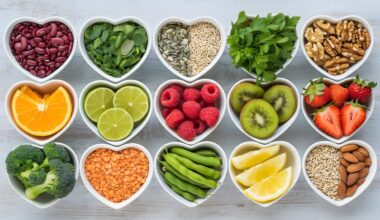
Nutrition is a cornerstone of increasing lean body mass. During adolescence, it is essential to focus on balanced meals rich in macronutrients and micronutrients. Nutrients such as calcium, iron, and vitamins like D and C play vital roles in muscle growth and overall health. Encourage adolescents to consume whole foods over processed options to maximize nutrient intake. Whole grains, fruits, and vegetables are critical for providing the vitamins, minerals, and fiber necessary for optimal health. Incorporating healthy fats, such as those found in avocados, olive oil, and fish, supports hormone production and overall energy levels. It is also important to educate adolescents about the timing of meals. Consuming a protein-rich snack or meal post-exercise can enhance muscle recovery. While sports drinks may seem beneficial, whole foods often provide better nutrition. Planning meals in advance can ensure adolescents have access to healthy options, reducing the temptation for junk foods. Another strategy is encouraging cooking skills, fostering an appreciation for healthy eating. Learning to prepare their meals empowers adolescents to make healthier choices and improves their understanding of nutritional needs. Establishing these habits during adolescence creates lifelong health benefits.
Engagement in sport activities significantly aids in increasing lean body mass. Participation in structured sports fosters discipline that translates into personal fitness goals. Organize adolescent schedules to include time for sports practice alongside other commitments. This structure can help young individuals prioritize their health. Additionally, seasons of specific sports provide cyclical opportunities for physical conditioning that can promote muscle growth. Training for sports can combine various strength and conditioning exercises that are enjoyable. Equipment can include free weights, resistance bands, or simple bodyweight exercises. Further, consider interscholastic competitions to foster motivation and community involvement. Friendly challenges encourage adolescents to put effort into improving their skill sets and overall fitness. Parents can help by driving to practice sessions and cheering during games, thus creating a supportive environment. Another consideration is including fitness or strength coaches who specialize in youth training techniques. These professionals can guide teens in developing safe and effective training protocols tailored to their age and skill level. Engaging young individuals in their fitness can also instill good habits early on and promote a resilient mindset toward physical health.
The Importance of Mental Health
Mental health is an often-overlooked aspect of improving lean body mass. Adolescents face various pressures, which can affect their motivation to maintain a healthy lifestyle. Encouraging healthy coping strategies such as mindfulness techniques, meditation, or yoga can positively influence their mental state. Also, athletes often benefit from mental coaching or performance psychology. This assistance in dealing with competition-related anxiety reinforces their belief in their abilities. Positive self-talk plays an important role; motivate adolescents to focus on progress rather than comparison with others. It is also important to promote body positivity and self-acceptance among young individuals. Discuss the importance of understanding that everyone’s body is different, and health should be the primary goal, not just appearance. Helping young people focus on their strengths builds resilience, enhancing their overall commitment to fitness. Encourage building supportive friendships within fitness communities, promoting a sense of belonging. Discussing feelings and concerns related to body image should be encouraged, facilitating open platforms for dialogue. By nurturing both physical and mental health, adolescents will be better equipped to make sustainable lifestyle choices and maintain lean body mass.
Another strategy is focusing on goal setting, which can serve as motivation for adolescents during their fitness journey. SMART goals, which are Specific, Measurable, Achievable, Relevant, and Time-bound, provide a clear framework for achieving desired outcomes. Encourage adolescents to set both short-term and long-term goals related to body composition, strength, and overall fitness. Keeping track of these goals can be done through journals or apps, which also serve as platforms for monitoring progress. Engaging adolescents in assessments like body measurements can create tangible evidence of their improvements. Celebrating small milestones boosts confidence and keeps motivation levels high. Incorporating rewards for reaching fitness goals can encourage adherence to the program. These rewards do not have to be extravagant; simple acknowledgments from family and friends can mean a lot. Social media can also play a role since many adolescents engage with fitness communities online. Leveraging online resources effectively can provide added support and motivation. The integration of goal setting, along with community and family support, creates an environment conducive to increasing lean body mass in adolescents!
Conclusion
In conclusion, improving lean body mass in adolescents requires a comprehensive and supportive approach. Nutrition, exercise, mental health, and goal-setting play vital roles in fostering a healthier lifestyle. A well-rounded plan not only enhances physical appearance but also contributes to overall health and self-confidence. Parents and educators should work collaboratively to provide adolescents with the resources they need. Ensuring continuous education about healthy eating habits, physical activity guidelines, and emotional well-being is essential. Engaging adolescents recreates a sense of accountability and encourages lifelong habits. Promoting a variety of physical activities will sustain interest and engagement in fitness. Importantly, addressing mental health issues ensures that physical approaches are supported with emotional resilience. Striking a balance between physical activity and mental wellness can lead to improved health outcomes during adolescence and into adulthood. Each step made toward these goals is an investment in their future well-being. Encourage continuous knowledge-sharing in schools, and homes, and through community programs. Making informed choices about nutrition and exercise can pave the way toward long-lasting healthy bodies.Learn more here.