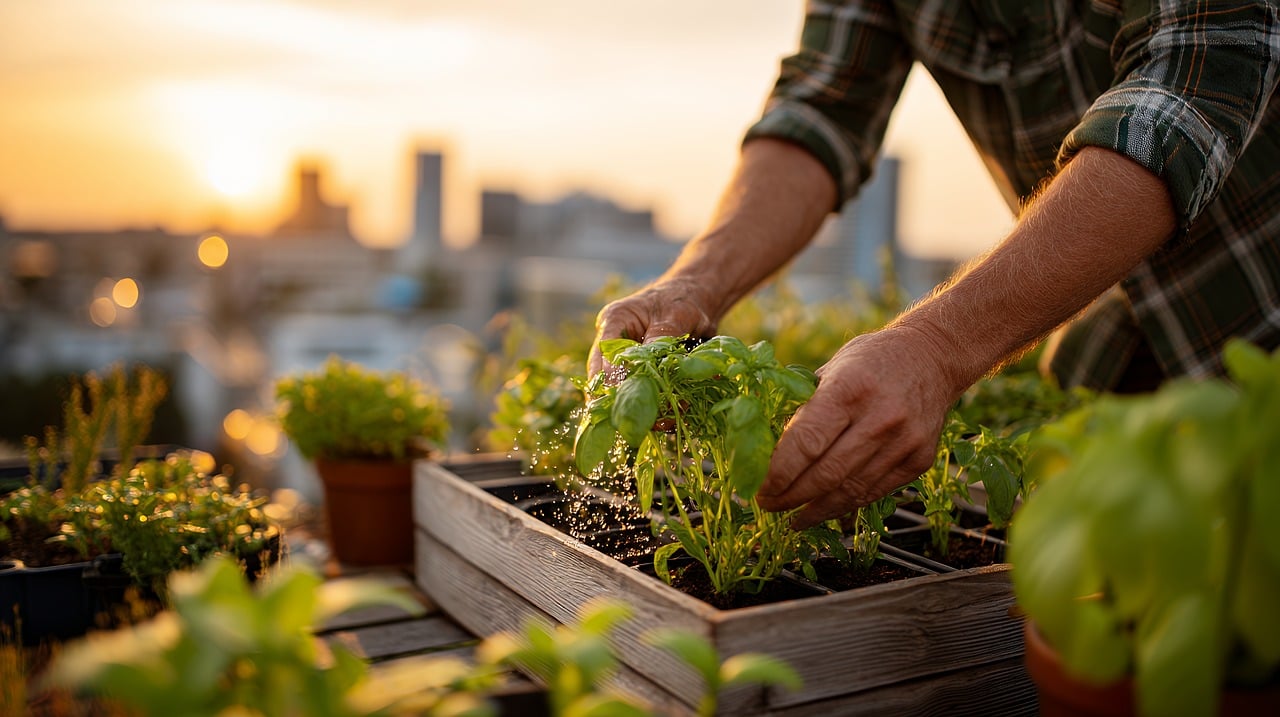

Hydroponic Urban Gardens: A High-Tech Approach to Fitness and Health
Urban gardening has evolved rapidly due to the increasing interest in sustainable agriculture and health-focused lifestyles. Hydroponic systems stand out as one of the most innovative and effective methods for growing plants without soil, offering numerous benefits for urban dwellers. These gardens utilize nutrient-rich water solutions to nourish plants, enabling them to grow faster and produce higher yields than traditional soil gardening. Furthermore, hydroponic systems can be set up in smaller spaces, making them ideal for apartments and urban environments. This method not only enhances the availability of fresh produce but also fosters an intimate relationship with nature. Additionally, it encourages individuals to embrace healthier eating habits by easily accessing fresh fruits, vegetables, and herbs. Urban gardening, through hydroponics, promotes a healthy and active lifestyle. The required physical activity involved in maintaining these gardens can contribute significantly to fitness, helping urban dwellers cultivate a sense of responsibility for their environment. This approach to gardening integrates technology, health consciousness, and environmental stewardship, making it a popular trend in modern urban living.
Hydroponic urban gardens provide unique opportunities for individuals seeking fitness and wellness benefits. Gardening is a form of exercise that often goes overlooked but can be quite engaging and beneficial. Activities involved in hydroponics, such as planting, monitoring plant growth, and maintaining the system, provide a physical workout that can enhance overall fitness. Urban dwellers can shift from sedentary lifestyles to more active ones as they cultivate and tend to their gardens. Regular gardening helps improve flexibility and endurance while also promoting mental well-being through the therapeutic effects of interacting with nature. Studies suggest that engaging with plants can reduce stress and anxiety levels, making hydroponic gardening an excellent way to support mental health. Additionally, fresh food grown in urban gardens is often packed with nutrients, supporting overall health. Access to fresh produce means healthier meal options, ultimately enhancing physical fitness and promoting wellness. As more people become aware of these benefits, urban gardening through hydroponics becomes increasingly appealing as a sustainable fitness solution. By growing food in urban settings, individuals contribute to their health and environmental sustainability, forging a connection with the food they consume.
The Benefits of Hydroponic Gardening
Hydroponic urban gardens come with a host of advantages that cater to both fitness and health. One significant benefit is the efficient use of water. Hydroponic systems generally require less water than traditional soil gardening, making them an excellent choice for urban environments where water may be scarce. This conservation effort not only promotes sustainability but also emphasizes the importance of resource management in contemporary urban living. Moreover, hydroponic systems minimize the threat of pests and diseases typically associated with soil gardening. By eliminating soil, these systems reduce the prevalence of harmful insects and pathogens, creating a healthier growing environment for plants. This factor is vital for those eager to grow organic produce without the use of harmful pesticides. As a result, hydroponics can foster healthier eating habits, contributing to overall well-being. The fresh produce harvested from urban hydroponic gardens is often significantly more nutritious than store-bought options. Allowing individuals to enjoy high-quality food while also engaging in physical activity and managing resources responsibly illustrates the importance of hydroponic gardening for today’s urban citizens.
Furthermore, hydroponic systems allow for year-round gardening, which is particularly beneficial for residents of urban areas with limited outdoor gardening space or harsh climates. The ability to control the growing environment means that urban dwellers can cultivate plants at any time of year, leading to a more consistent supply of fresh greens and vegetables. This consistent availability enhances dietary variety and makes it easier to incorporate healthy produce into daily meals. Many hydroponic garden setups are compact and adaptable, readily fitting into various spaces, from rooftop gardens to indoors. This allows city residents to maximize their limited living space while improving their access to fresh food. Additionally, hydroponic gardens can be visually appealing, providing aesthetic benefits to urban settings. Incorporating greenery enhances the overall atmosphere and encourages community bonding as neighbors and families come together to appreciate and potentially learn from one another’s gardening practices. As urban gardening continues to grow in popularity, the resulting community connections can foster a collective commitment to health and sustainability, benefitting both individuals and the environment as a whole.
Education and Community Engagement
Hydroponic urban gardens also serve as excellent educational platforms that can facilitate community engagement and environmental awareness. Many local governments and organizations promote gardening initiatives to teach residents about sustainable practices, nutrition, and environmental stewardship through social spaces. Workshops and classes centered around hydroponics can provide valuable knowledge and skills to individuals of all ages. These programs offer hands-on experiences that help illuminate the science behind plant growth, the importance of food sources, and ecological perspectives. Sharing this knowledge fosters a community of like-minded individuals committed to healthier choices and sustainable practices. Furthermore, schools and educational institutions are increasingly integrating hydroponic systems into their curricula, providing students with real-world experience and an appreciation for agriculture and nutrition. Such endeavors provide an opportunity to increase food literacy and inspire responsible habits among future generations. By participating in hydroponic gardening projects, people can also engage in discussions about food equity and sustainability, ultimately fostering a more informed and proactive community. Combining education with practical experiences enhances the overall impact of hydroponic urban gardens on society.
In addition to their educational value, hydroponic urban gardens can foster meaningful community connections. These gardens offer space for collaboration and teamwork, bringing neighbors together and building social networks. As individuals work side by side to care for a hydroponic system, they often share gardening tips, recipes, and stories, forming bonds that contribute to a supportive community atmosphere. Community gardens provide a sense of ownership and pride, making residents more invested in their surrounding environment. This investment leads to healthier relationships with local food systems, reducing reliance on processed foods and encouraging people to appreciate the benefits of sustainable eating. Moreover, peer support and connections developed through hydroponic gardening can inspire individuals to adopt healthier lifestyles both personally and collectively. Active involvement in community gardening initiatives can motivate individuals to alter dietary habits, prioritize fitness, and champion local sustainability efforts. Over time, these collaborations can lead to more extensive community-driven projects that address broader social issues, including food access and resource conservation, ultimately creating a lasting impact on urban environments.
Conclusion: A Sustainable Urban Future
In conclusion, hydroponic urban gardens embody a transformative approach to fitness, health, and environmental sustainability. By integrating technology into gardening practices, urban dwellers can enjoy the benefits of fresh produce, enhanced physical activity, and mental well-being. As the trend of hydroponic gardening continues to grow, communities can engage in conversations about their food sources and ecological impacts. Furthermore, these gardens serve as a testament to the potential of urban spaces to contribute to our collective health and wellness. Embracing hydroponics not only fulfills a nutritional need but also addresses larger challenges, such as food deserts and the effects of urbanization on nature. By prioritizing sustainable practices, residents can contribute significantly to revitalizing city landscapes while fostering community relationships. The future of urban living should embrace more environmentally friendly practices, such as hydroponics, which create an opportunity for citizens to thrive in harmony with nature despite increasingly urban environments. Ultimately, hydroponic urban gardens symbolize a new era of urban living, where health, sustainability, and community well-being are intricately connected.
As cities expand, the integration of hydroponic systems into urban planning becomes increasingly critical. Innovative solutions for agricultural production must keep pace with urbanization to ensure access to fresh, healthy food for all residents. Hydroponics provides an answer to many challenges posed by urban living, particularly in terms of maximizing limited space and resources. The continued exploration and implementation of high-tech gardening methods will be vital in creating a sustainable urban future. Community involvement will ensure these systems maintain relevance and alignment with local needs. By supporting hydroponic gardening initiatives, residents can positively impact their collective agricultural landscape, transforming urban settings into flourishing spaces of health and wellness. This proactive approach fosters a greater awareness of environmental concerns while enhancing fitness and wellbeing in everyday lives. Hydroponics allows individuals not only to grow their food but also to inspire others towards better choices regarding their dietary habits and lifestyles. As urban gardening becomes an integral part of city life, it will contribute to a paradigm shift in how we interact with our environment. This holistic approach will ensure that both urban and natural ecosystems can thrive together, shaping a healthier future for all.