
Rehab Exercises to Prevent Chronic Pain From Weightlifting
Weightlifting is a fantastic way to build muscle and improve strength, but it can also lead to chronic pain if proper techniques aren’t used. Incorporating rehabilitation exercises into your routine can be an effective way to prevent injuries and alleviate discomfort. When you consistently perform targeted rehab exercises, they help strengthen specific muscle groups, stabilize joints, and promote better alignment throughout your body. One fundamental approach is strengthening the core muscles, which support your spine and pelvis, keeping your overall balance intact. Without a strong core, weightlifting can cause excessive strain on your back, contributing to pain. Balance and flexibility exercises are also indispensable, as they allow for full range of motion, reducing the risk of muscle tightening and tension buildup. Key exercises may include gentle stretches, planks, or yoga poses. Furthermore, incorporating regular assessments of your lifting technique will help you identify areas needing improvement or focus. Always prioritize listening to your body; if something feels off, take a break. Preventive measures ensure sustainable progress in your lifting journey, supporting both your performance and overall well-being.
One of the essential rehabilitation exercises for weightlifters is the glute bridge, which targets the glute muscles while stabilizing your hips and pelvis. This exercise is crucial for developing lower body strength and improving overall stability during lifts. Incorporating glute bridges into your routine is as simple as lying on your back, knees bent and feet flat on the floor. By lifting your hips off the ground using your glutes, you’ll effectively strengthen these important muscles. Moreover, regular practice can significantly improve your deadlift and squat technique, helping you maintain proper form. Additionally, single-leg exercises offer an excellent way to address any strength imbalances, fostering more balanced muscle development. Variations like single-leg deadlifts are highly effective at engaging stabilizing muscles that might otherwise be neglected during traditional weightlifting routines. Furthermore, these exercises can boost proprioception, enhancing your body’s awareness in relation to space and movement. Having a strong foundation, with glutes firing correctly, translates to better power generation and reduced risk of injury. Therefore, implementing glute bridges alongside single-leg exercises and proper weightlifting techniques forms a solid foundation for rehabilitation.
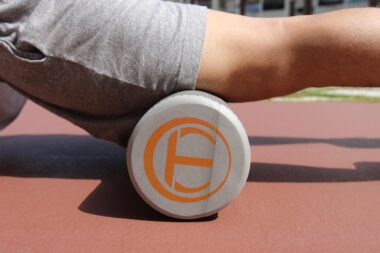
Incorporating foam rolling into your rehabilitation routine can drastically improve your recovery process from weightlifting sessions. Foam rolling helps release muscle tension, increase blood flow, and reduce soreness, promoting a quicker recovery. Performing a consistent foam rolling routine after your workouts allows your muscles to relax, which is crucial for preventing chronic pain. It is particularly effective for the upper back, hamstrings, and quads. When rolling, spend about 30 seconds on each targeted area, breathing deeply to facilitate release. It is essential to apply pressure gently and to listen to your body’s response; discomfort is normal, but pain should be avoided. Moreover, combining foam rolling with stretching post-workout can enhance flexibility and reduce post-exercise tightness. Both activities lead to increased muscle elasticity, allowing for better lifting form and performance. While foam rolling may not directly strengthen muscles, its role in alleviating tightness complements other rehabilitation exercises like glute bridges and single-leg variations. This holistic approach will prepare you mentally and physically for your next weightlifting session, leading to better results without the drawbacks of pain or injury.
Stretching for Pain Prevention
Stretching is an indispensable part of any rehabilitation regimen aimed at preventing chronic pain associated with weightlifting. Both dynamic and static stretching plays a significant role in enhancing flexibility and range of motion, which are vital for maintaining proper lifting form. Start your workout routine with dynamic stretches like arm circles and leg swings to warm up your muscles effectively. Post-workout, incorporate static stretches, focusing on major muscle groups such as hamstrings, quadriceps, and shoulders. For instance, a simple seated forward bend can stretch the hamstrings, while a chest opener can relieve tightness in the upper body. Adding stretches specifically tailored for your lifting regimen ensures muscles remain balanced and supple, preventing the overuse that often leads to injury. You may also want to consider yoga as an effective method for promoting flexibility, strength, and mental focus. Moreover, maintaining proper hydration is essential for muscle health, aiming for at least eight glasses of water daily. When hydration levels are optimal, muscles are less likely to cramp or become tight, contributing further to overall physical performance and reducing the risk you face lifting weights.
Another vital component of rehabilitation is ensuring that you have a proper warm-up routine. Warming up prepares your body for the stress of weightlifting, significantly reducing the likelihood of injury. A good warm-up should include light cardiovascular activity, such as brisk walking or cycling, accompanied by dynamic stretches. These movements increase blood flow to your muscles, enhancing flexibility and mobility. Furthermore, every lift should be prefaced with lighter weights to ensure proper form is being utilized before moving onto heavier loads. This progressive warm-up method allows you to gradually awaken your muscles, assessing how your body feels prior to engaging in challenging lifts. Ensure you allocate at least 5-10 minutes dedicated to warming up, adapting exercises based on the muscle groups you plan to target. Moreover, consider incorporating foam rollers, resistance bands, or even simple bodyweight exercises during your warm-up to engage stabilizing muscles. By adequately preparing your body for lifting, you are investing in both short- and long-term health. Ultimately, the combination of a solid warm-up and focused rehab exercises will keep you strong, capable, and free from chronic pain during your weightlifting journey.
Monitoring your progress through rehabilitation exercises is essential for achieving the best results in preventing chronic pain. Keeping a training journal allows you to document not only your weightlifting sessions but also your rehabilitation exercises and their impact on your performance. This practice will help you identify patterns pertaining to pain and discomfort. If certain activities consistently lead to soreness, consider modifying your approach or reducing frequency and intensity. Additionally, setting specific, attainable goals is crucial. Focus on areas such as improving flexibility, balance, or strength. Concrete and measurable objectives include increasing the number of glute bridges you can perform or improving your squat depth. Regularly reassessing your goals promotes motivation while allowing for continuous improvement and adaptation of your rehabilitation routine. With awareness of how your body responds to different movements, you’ll be equipped to make informed decisions about your training. Moreover, typically, consulting a physical therapist offers expert insights tailored to your individual needs, ensuring stability throughout your weightlifting regimen. Adhering to this strategy fosters a proactive approach to injury prevention, allowing you to enjoy both weightlifting and healthy physical performance.
Conclusion: Importance of Rehabilitation
The importance of including rehabilitation exercises in your weightlifting routine cannot be overstated. These practices not only prepare you physically for heavy lifting but also promote longevity in your training journey. Understanding your body’s needs and limitations is essential for maintaining overall wellness and preventing chronic injuries. Emphasizing rehabilitation builds the foundation for sustainable progress, ensuring a well-rounded approach to strength training. As a result, you will see enhanced performance, confidence, and enjoyment in your workouts. A comprehensive approach includes core strengthening, stretching, foam rolling, and effective warm-ups, all of which play integral roles in injury prevention and recovery. Flexibility training allows for ease of movement, while strength endurance helps your muscles adapt to increasing loads without the added strain. Aurally, listening to your body is crucial; it often signals potential problems before they become serious. Taking preventative measures ensures you can lift without the fear of chronic pain, allowing you to focus on your goals. The marriage of rehabilitation exercises and weightlifting can lead towards a healthier, more robust body without limits, ultimately elevating your overall fitness experience.