
The Science Behind Walking and Senior Cognitive Health
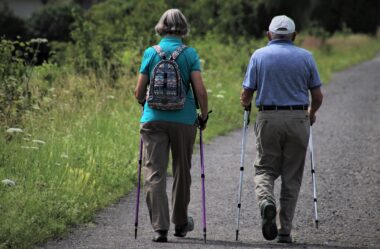
Walking is a fundamental physical activity that offers numerous health benefits for seniors, including enhanced cognitive function. Regular walking promotes improved blood flow, which is essential for brain health. Engaging in walking programs can stimulate brain functions through increased heart rate and oxygen supply. This activity supports neurogenesis, the generation of new neurons, crucial for maintaining cognitive abilities. Research suggests that seniors who walk regularly experience a lower risk of cognitive decline. Furthermore, walking encourages the release of neurotransmitters, like endorphins and serotonin, which elevate mood and cognition. Effective walking programs tailor to the specific needs and capabilities of older adults. These can involve structured classes, social walking groups, or individual walking plans. Walking in natural environments can lead to even greater cognitive benefits due to the tranquil sensory experiences they provide. Practical considerations include appropriate footwear and access to safe, walkable areas, ensuring seniors’ comfort and safety. By incorporating regular walks into their routines, seniors can lay the groundwork for improved mental function, thus fostering an overall healthier lifestyle.
Another significant aspect of walking and cognitive health is the social component. Walking programs often involve group activities which foster social interactions that can directly influence cognitive wellness. Engaging socially can combat feelings of loneliness and isolation that are prevalent among seniors. These feelings can often lead to mental health issues such as depression, which negatively affects cognitive faculties. By participating in walking groups, seniors have the opportunity to share experiences, encourage each other, and gain social support. The benefits of social interaction extend beyond just improving the mood; they also provide stimulation to the brain. It is essential for seniors not just to walk but to include social elements in these programs. Having conversations while walking can further enhance cognitive processing and memory retention. Additionally, seniors can create lasting friendships through their walking programs, leading to a more vibrant overall quality of life. Walking as a group also allows for accountability; seniors are less likely to skip workouts and more inclined to meet regularly. Therefore, social engagement, coupled with walking, magnifies the positive effects on cognitive health and overall well-being.
Scientific Studies Supporting Walking for Cognitive Health
Numerous studies substantiate the connection between walking and cognitive health in seniors. Research published in prominent journals highlights that increased physical activity, especially walking, correlates with a decreased risk of dementia. One longitudinal study even indicated that seniors who walked six miles a week had a significantly lower incidence of cognitive impairment than those who were sedentary. Neuroimaging studies show that physical activity affects brain structure and function positively, particularly in regions associated with memory and cognition. Further, walking exercises the hippocampus, a crucial brain area involved in learning and memory. Such effects are much more potent when walking is combined with learning opportunities, such as navigating new routes or engaging in nature hikes, which further challenge and stimulate the brain. The release of brain-derived neurotrophic factor (BDNF) during physical activity plays a role in improving neuronal health. A closer look at these studies reveals that not all exercises confer the same cognitive benefits; walking specifically appears to play a unique role in enhancing brain health for seniors. Hence, systematic participation in walking can be an invaluable strategy for cognitive preservation.
The frequency and intensity of walking activities also impact cognitive health outcomes. Research indicates that consistency yields better results in preserving cognitive function. Seniors are encouraged to walk at least 150 minutes per week, as recommended by various health authorities. Light to moderate-intensity walking provides the most benefits while being manageable for most seniors. Walking in intervals increases heart rates and creates a greater cardiovascular fitness level without excessive strain. As cognitive health may vary individually, senior walking programs should assess each individual’s capacity and adapt appropriately. Moreover, incorporating varied terrains and pacing can enhance the walking experience and maintain interest. It’s equally important for seniors to find enjoyment in their walking routines, as motivation can impact adherence. Creative approaches let seniors choose routes that invigorate them or participate in seasonal walking events. Personalized walking regimens cater to their preferences, which is vital for maintaining engagement over time. Subsequently, seniors equipped with tailored walking programs enjoy both physical and mental benefits, culminating in improved cognitive health and overall happiness.
The Role of Environment in Walking Programs
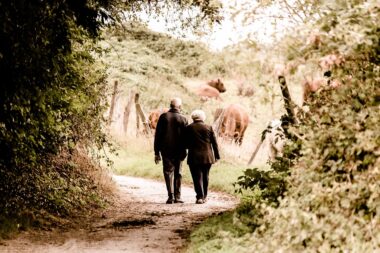
In addition to the physical and social elements, the environment in which seniors walk plays a crucial role. Natural settings have a calming effect and enhance the cognitive benefits of walking. Studies show that walking in nature leads to lower cortisol levels, thereby reducing stress and anxiety, which positively impacts cognitive function. Areas with greenery and fresh air stimulate the senses, allowing seniors to feel more invigorated and engaged. Creating walking programs that include parks, gardens, and scenic routes can significantly improve participants’ experiences. Safe pathways and inviting landscapes encourage seniors to walk more regularly, fostering adherence to their programs. Furthermore, these environments often offer opportunities for wildlife observations, which can trigger curiosity and mental engagement during walks. Accessibility to such areas is essential, particularly in urban settings where concrete often dominates. Local communities should advocate for safe walking paths and outdoor spaces for seniors. Enhancing the environment greatly influences walking habits, ensuring seniors not only exercise but also enjoy their time outside, ultimately leading to better cognitive health outcomes.
It’s also important to incorporate educational elements into walking programs for seniors. Providing information about the benefits of walking for cognitive health can motivate participants to stay engaged. Workshops or classes that explain the science behind physical activity and mental health may foster a deeper understanding of their practices. Integrating discussions on nutrition and other healthy lifestyle choices can create a more holistic approach to seniors’ overall health. Teaching them about hydration and energy balance will help optimize their walking experiences. Additionally, seniors may benefit from guidance on measuring their walking progress using pedometers or fitness trackers. Setting achievable goals based on their individual capabilities can provide a sense of achievement and motivation. As seniors track their progress, they may develop healthier habits and commitment to staying active. Incorporating educational sessions within their walking programs creates a well-rounded experience, reinforcing the importance of sustaining activity levels throughout their later years. Thus, combining physical, social, and educational elements significantly enhances cognitive health and overall well-being among seniors.
Further Recommendations and Resources
For those looking to establish or join walking programs, seeking out local resources is vital. Many community centers, senior organizations, or health facilities offer structured walking programs tailored to older adults. Websites and local calendars may list walking events, highlighting opportunities for group activities in enjoyable settings. Organizations like the American Heart Association often provide guidance on safe walking practices and community challenges that encourage participation. Additionally, joining online forums and social media groups can connect seniors to others who share similar interests. Walking apps can track progress while offering virtual challenges to “walk” with friends. Finding a walking buddy can enhance motivation and provide accountability. Partners create an opportunity for shared experience, facilitating connection and camaraderie. As seniors navigate their walking journeys, it’s also essential to listen to their bodies. Starting with short distances and gradually increasing intensity is encouraged to prevent injury. Emphasizing enjoyment and connection throughout their walking experience will best support both cognitive and physical health benefits, creating a foundation for a sustainable, active lifestyle.
In conclusion, walking represents a simple yet profound method to enhance cognitive health among seniors. With its multifaceted benefits, including physical, social, and psychological elements, it remains an essential activity. Engaging in routine walking fosters overall mental well-being while encouraging social connections and community involvement. Studies continually highlight the positive associations between walking and cognitive health, emphasizing the need for tailored programs that cater to seniors. By embracing a culture of walking, communities can support their aging members in leading healthier, more fulfilling lives. Environments play a crucial role in shaping walking experiences; hence, promoting accessible and inviting spaces is vital. As individuals embark on their walking journeys, an appreciation for the cumulative benefits will emerge. Many may find that even modest walking habits result in significant cognitive improvements. By adopting a proactive approach and integrating walks into daily routines, seniors can create lasting impacts on their brain health. The opportunity to evolve and improve cognitive pathways lies within simple steps, guiding seniors toward a brighter, more vigorous future. Through walking, the essence of life—both in physical and cognitive contexts—remains thriving.