
Staying Hydrated While Swimming as a Pregnant Woman
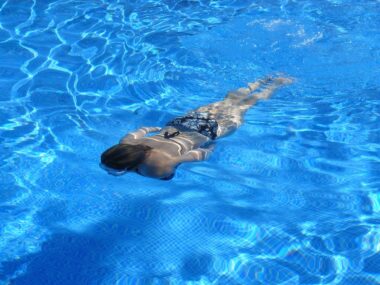
Swimming is an excellent exercise for pregnant women that provides several benefits, including low-impact support and buoyancy. However, it is essential to remain hydrated while swimming. Pregnancy increases fluid requirements due to increased blood volume and amniotic fluid. It becomes significant for pregnant women to drink enough water before, during, and after swimming to maintain proper hydration levels. It helps combat problems like swelling, dehydration, and fatigue. When swimming, ensure access to water, ideally within reach, to encourage routine consumption. Signs of dehydration can be subtle; thus, it is advisable to monitor your body’s signals closely. Additional hydration methods include consuming hydrating snacks like fruits and vegetables. Watermelon, oranges, and cucumbers are excellent choices. Adjusting your swimming routines based on your hydration status can also be beneficial. Listening to your body is crucial in this stage of life, focusing on energy levels, fatigue, and overall well-being. To maintain optimal health during this phase, develop a structured yet flexible swimming schedule. Forming these habits will undoubtedly support your fitness journey throughout your pregnancy.
Before entering the water, it is crucial to prepare your body for swimming. Hydrating adequately before your swim session enhances performance and ensures your body efficiently manages the heat generated during exercise. As water is absorbed quickly in a pool environment, drinking a minimum of 16-24 ounces of water is recommended about two hours beforehand. Furthermore, setting hydration reminders can be beneficial, particularly for those who might easily forget to drink enough water. During your swim, take quick breaks to sip water to ensure that your body remains hydrated during activity. Keeping a refillable water bottle with you can serve as an excellent reminder to drink consistently. Pregnant women may also experience increased body temperature, which makes hydration even more vital during exercise. You can plan swimming sessions at cooler times of the day to avoid overheating and ensure a comfortable experience. Comfortable swimsuits are also essential; consider wearing one that accommodates a growing belly while allowing freedom of movement and comfort. Always consult your healthcare provider before starting any new exercise regimen to ensure you’re following recommendations specific to your pregnancy.
The Best Times to Swim While Pregnant
Choosing the best times to swim can contribute significantly to your hydration strategy as a pregnant woman. Early mornings or late evenings tend to be ideal periods due to cooler temperatures outside, allowing for higher comfort levels. By swimming during these times, you can limit fatigue and heat exhaustion from exerting yourself in hotter conditions. Additionally, swimming at these times often leads to less crowded pools, creating a peaceful environment that enhances your overall experience. This tranquility can have a calming effect, which is beneficial for both your mental state and the baby. Alternatively, indoor pools can serve as a great option, enabling you to avoid temperature extremes altogether. Allocating time for warm-ups and cool-downs before and after your swim sessions will further benefit hydration. Prepare yourself by incorporating gentle stretching and staying open to listening to your body’s needs. Adapting your swim routine based on energy levels will support a consistent approach, thereby contributing to your overall wellness. Engaging in water aerobics can also serve as a great way to maintain your fitness levels and remain active while enjoying the benefits of water.
Nutrition plays a significant role in hydration, particularly during pregnancy. Complementing your swimming sessions with nutrient-dense foods can help enhance your hydration strategy. Foods with high water content can work synergistically with drinking water to keep your body properly hydrated. Include items such as leafy greens, strawberries, and bell peppers in your diet to maximize water intake each day. Electrolyte balance is also crucial, especially during physical activity. Incorporate natural electrolyte sources like coconut water, which provides additional rehydration benefits. Certain foods can aid in hydration as well, so consider consuming soups, smoothies, and broths, which also contribute fluids and vital nutrients for both you and your baby. Eating small, frequent meals can help maintain energy levels while also supporting hydration processes. This way, your body has a steady supply of essential nutrients that help with energy production and muscle function. Establishing a mindful eating routine encourages healthy choices and can ultimately lead to better hydration overall. Staying aware of your body’s signals should guide your nutrition choices, reminding you to listen closely to your body’s intuitive needs.
Listening to Your Body
Paying attention to your body’s signals is crucial during your pregnancy and swimming routine. Each pregnancy may present its unique challenges, which is why personal awareness becomes crucial in maintaining hydration and overall well-being. Your body will communicate its needs, such as thirst or fatigue, and being receptive to these cues will allow for a more enjoyable swimming experience. Avoid pushing yourself too hard, especially during hot weather, and be prepared to take breaks whenever you feel necessary. Moreover, ensure that you never overlook the signs of dehydration, such as dizziness, dry mouth, or dark urine. Maintaining a consistent swimming schedule while allowing flexibility serves to accommodate the dynamic needs of pregnancy. Support your body through adequate rest when needed, and don’t hesitate to adjust your swimming routines according to your comfort levels. Underestimating the importance of hydration can lead to complications, so establishing a practice of self-care is essential. Seeking professional advice from healthcare providers can further contribute to your understanding and management of hydration and exercise during this vital time.
Social activities can enrich the experience of swimming while pregnant. Engaging with fellow mothers-to-be fosters a supportive environment that encourages open conversation about shared experiences like hydration and exercise. Forming or joining a maternity swim group can prove highly beneficial, as other women can offer insights regarding their hydration strategies while swimming. Sharing tips that have worked well helps in forming a sense of community, which is essential for emotional well-being during this journey. Create a supportive network that includes friends, family, and care providers, making them aware of your goals of proper hydration and fitness. You can also engage in social swim events that provide an opportunity to combine fitness and socializing while ensuring you remain hydrated. Engage in friendly conversations during breaks and poolside, which can distract from monitoring fatigue or dehydration levels. Having accountability partners can help ensure that you stay committed to hydration goals throughout your swimming sessions. Enveloping your experience with community support may not only lead to increased motivation but also provide shared encouragement for self-care practices as well, significantly enhancing your pregnancy journey.
Finally, exploring additional resources can further the understanding of pregnancy fitness, hydration, and swimming practices. A wealth of information is available online, through community centers, and at local health clinics, providing fresh perspectives on hydration for pregnant women. Books, articles, and trustworthy blog sites can offer a myriad of strategies to enhance hydration techniques during swimming sessions. Developing a habit of researching reputable sources will empower you in making informed decisions that prioritize both your fitness and hydration. Online forums can connect you to other mothers with similar experiences, fostering an exchange of ideas and suggestions that resonate with your pregnancy journey. Social media platforms can also serve as venues for engaging with experts and discussing hydration tips tailored for pregnant women. Remember to check the credibility of the resources you look into, ensuring they are associated with reputable organizations in maternal health. The knowledge garnered from diverse sources can inform your approach to swimming while pregnant, resulting in a more satisfying experience in your water fitness journey.
By understanding the vital role hydration plays in swimming while pregnant, you ensure both your safety and that of your baby during this beautiful journey. Prioritizing hydration allows for more enjoyable swimming sessions that contribute positively to fitness while building a solid foundation for pregnancy well-being. Forming effective habits encourages the importance of self-care and listening to your body’s needs during exercise. Combining physical activity with proper hydration practices ultimately leads to a more confident and rewarding pregnancy experience. Remember that every woman’s journey is unique, which is why staying informed and adaptable is key. Relishing the joys of swimming during pregnancy opens pathways for emotional and physical health. With mindful approaches towards hydration, socializing, and fitness routines, pregnancy can transform into a powerful experience that supports both you and your baby. Embrace the journey with enthusiasm, ensuring that swimming remains an essential component of your healthy lifestyle. To book your next session, find local pools that cater to pregnant women and ensure they offer the amenities you need. Partner with your healthcare provider to develop the best practices, and enjoy every moment of your aquatic fitness journey during this special phase of your life.