Downhill Mountain Biking: Tips for Speed and Safety
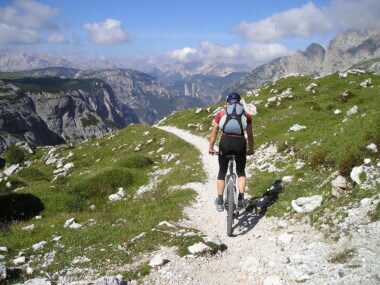
Downhill mountain biking offers an exhilarating experience, delivering a unique blend of speed and adrenaline. Riders can face various terrains, from rocky descents to smooth, flowing trails. To ensure maximum safety, it is crucial to wear the right protective gear. This includes a certified helmet, knee pads, elbow pads, and gloves. Always check your bike before riding. Examine the brakes, tires, and suspension; ensuring everything is in excellent condition significantly affects both your performance and safety. Moreover, familiarize yourself with the trail beforehand. Knowing the trajectory of steep sections or tight turns can prepare you to handle them better and avoid accidents. A good mountain bike should have strong features like a robust frame and quality suspension to absorb shocks. Develop skills progressively; start with easier trails to build confidence and gradually tackle more challenging routes. Stay hydrated as mountain biking is physically demanding. Enjoy the journey and remember that faster doesn’t always mean better when riding downhill; control and technique are equally important.
Understanding Terrain and Environment
The terrain plays a significant role in downhill biking. Variations in the surface can impact your speed and control. Always study the specific features of the trail, such as loose rocks, roots, and inclines. These factors affect traction and stability. Choose the right tires for the conditions; wider tires offer better grip on rugged trails. Check the weather forecast prior to your ride. Wet conditions can make trails slippery and unrideable, so adjust your plans accordingly. Be mindful of temperature; cold weather can affect tire performance while hot weather impacts your stamina. Additionally, recognize environmental signals like wildlife signs or maintenance warnings. Also, familiarize yourself with the riding etiquette. Yield the trail to uphill riders, and respect signage indicating trail use. Be cautious of others on the trail as downhill riding can create hazards. Preserve the trail by avoiding unnecessary braking or skidding that can erode the surface. Awareness of your surroundings ensures a smooth ride. Lastly, ride within your limits and assess your experience level to select appropriate trails. Aim for balance between speed and safety.
Practicing proper technique is essential for enhancing performance while downhill mountain biking. Begin by positioning your body correctly on the bike. Keep your elbows bent, and hands relaxed on the grips for better control. Shift your weight back when descending to maintain traction on the front wheel. Understanding braking techniques is critical; practice using both front and rear brakes. Using the front brake alone could cause a flip, while relying solely on the rear may lead to reduced stopping power. Thus, practice applying both brakes smoothly and progressively. Cornering effectively also requires practice. Lean the bike while keeping your body upright to maintain balance. Begin preparations before entering a corner; look through the turn and adjust your speed accordingly. Engage your core muscles for more stability. Learn to ride over obstacles; bunny hopping or lifting your front wheel when approaching roots or rocks increases your ability to maneuver. Replace hesitance with confidence through repetition—honing these skills on less technical trails can assist greatly. As you practice, keep track of your progress, and seek feedback. Take videos or consult with experienced riders for improvement.
Choosing the Right Gear and Equipment
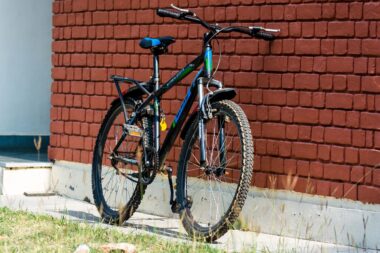
Selecting the perfect gear can significantly impact your downhill mountain biking experience. Start with the right bike; a dedicated downhill mountain bike typically features a strong frame and shock-absorbing technology. These components make tackling downhill trails much safer and more enjoyable. Ensure your bike is properly fitted; an incorrect size can affect handling and comfort. Wear appropriate cycling shoes with good grip to enhance control over your bike. Multi-use pedals can allow for more freedom of movement but ensure safety through correct choice. Equally crucial is your riding apparel; breathable, moisture-wicking materials are best in warm conditions while layers offer insulation during colder weather. Accessories such as goggles improve visibility while gloves can enhance grip and comfort. Choose a backpack that offers ample storage but isn’t cumbersome; packing essentials like food, water, and a repair kit is essential. Optical visibility through bright colors or reflective elements in your attire can increase safety when riding. Regularly upgrade your gear as technology evolves, ensuring you keep pace with innovations. Regular maintenance of all equipment guarantees extended lifespan and optimal performance as well, enhancing your adventure ahead.
The psychology of downhill mountain biking is equally important to consider. Building mental fortitude helps in overcoming obstacles, both on the trails and in your mind. Confidence can be built through visualization techniques; picturing yourself successfully navigating challenging terrains can boost your mindset. Learn to embrace manageable risks; understanding limits helps in making better decisions on the bike. Acknowledge fears, instead of suppressing them, helps you prepare mentally for descents. Establish achievable goals when riding; start small and gradually increase the difficulty level of trails over time. Reflect on your rides and identify areas for improvement through journaling, boosting self-awareness and growth. Join groups or communities that allow sharing of experiences and techniques; these connections foster support and encouragement. Seeking professional advice from riding clinics or mentors can further facilitate skill enhancement and safety awareness. Building camaraderie with fellow bikers can also enrich your experiences. Maintain a positive attitude while riding; appreciate the beauty of nature around you, contributing to a satisfying biking adventure. Furthermore, stay open to feedback and learn from friends and experienced riders as this enriches skill development.
Maintaining Fitness and Health
Staying physically fit is crucial for downhill mountain biking enthusiasts. Regular exercises targeting core strength, legs, and endurance can significantly improve biking performance. Engaging in cross-training activities such as running or swimming assists in overall fitness. Circuit training, combining strength exercises with cardio, enhances stamina and muscle strength specific to cycling. Incorporate flexibility exercises into your routine to prevent injury while improving mobility. Stretching major muscle groups and practicing yoga can enhance posture and balance during rides. Healthy nutrition supports your physical needs; focusing on carbohydrates and proteins ensures sustainable energy. Consider meal prepping for riding days to keep energy levels high; fruits, nuts, and nutrition bars make great trail snacks. Hydration is paramount, especially during long rides. Carrying an adequate supply of water is essential; at least two liters are recommended. Understand that mental well-being also contributes to overall fitness; prioritize rest and recuperation to avoid burnout. Listen to your body; recognize when it requires a break. Regular checkups with healthcare professionals maintain physical health. Incorporating fitness routines can contribute to better biking experiences, both in performance and enjoyment of downhill mountain biking.
In conclusion, downhill mountain biking blends excitement with risks, requiring a focus on speed and safety. By investing time in practicing effective techniques, selecting the right gear, and maintaining physical health, bikers significantly improve their riding experience. Understanding terrain and environmental considerations is essential for enhancing performance; always remain aware of external factors which can influence rides. Moreover, fostering mental resilience through positive thinking empowers bikers to take on new challenges confidently. Building connections within the biking community not only enhances learning but creates camaraderie, enriching your overall biking experience. Challenges should be approached with preparedness; evaluating trails and yields the most gratifying riding experiences. As downhill mountain biking evolves, riders should commit to continuous learning through feedback, education, and practice. Enjoy the slopes, the thrill, and the sense of freedom accompanying downhill mountain biking while always prioritizing safety; this involves respecting your limits and the environment. Each ride becomes more thrilling as your skills develop. Share your passion for mountain biking with others, contributing to the sport. Remember, every adventure provides valuable lessons—embrace the ride and ride on!