How Exercise Benefits Aging Adults
As individuals age, maintaining an active lifestyle becomes increasingly important for overall health and well-being. Engaging in regular physical activity can significantly enhance the quality of life for aging adults by improving physical fitness, mobility, and mental health. Exercise is vital as it helps preserve muscle strength, increases endurance, and supports cardiovascular health. Studies reveal that seniors who exercise regularly show better mobility and are less prone to falls, which is a significant concern for the elderly populace. Physical activity can take many forms, including walking, swimming, and strength training. These activities not only help to maintain a healthy weight but can also alleviate symptoms of chronic conditions, such as diabetes and arthritis. Another crucial aspect of exercise is that it promotes social engagement, which can help combat feelings of loneliness and isolation often experienced by older adults. By participating in group classes or community activities, seniors can meet others, learn new skills, and enhance their emotional well-being. Therefore, incorporating exercise into the daily routines of aging adults is essential in fostering a healthier, happier lifestyle as they grow older.
One of the most significant benefits of exercise for aging adults is its positive impact on mental health. Regular physical activity is linked to reduced symptoms of anxiety and depression, which are common among older populations. Engaging in moderate exercise stimulates the production of endorphins, often referred to as ‘feel-good’ hormones. This natural chemical reaction in the body can improve mood and enhance overall emotional well-being. Furthermore, consistent exercise has been shown to enhance cognitive function, helping to maintain mental acuity and reduce the risk of cognitive decline. Activities like dancing, tai chi, or even simple stretching can provide mental stimulation, keeping the brain active. Additionally, exercising in social settings offers further emotional support through peer interaction, helping to create lasting friendships, reduce stress, and enhance emotional health. It is crucial to recognize that while exercise is beneficial, it should be approached with care. Seniors need to consult healthcare professionals to devise suitable exercise plans tailored to their specific health needs and limitations. Keeping physically active is a proven way to ensure that aging adults thrive and enjoy their golden years to the fullest.
The Physical Benefits of Exercise
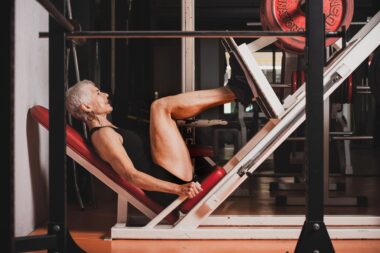
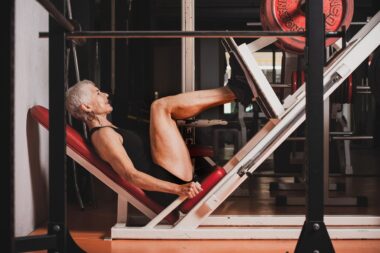
Engaging in exercise routinely contributes to improved physical health outcomes for aging adults. First, it promotes the preservation of muscle mass and strength, which tends to decline with age. Resistance training, in particular, has been shown to be effective in combating sarcopenia — the loss of muscle tissue. Stronger muscles are beneficial for daily tasks and reduce the risk of falls, a major concern in older adults. Additionally, exercise plays a vital role in improving cardiovascular health by increasing heart function and circulation. Regular physical activity helps lower blood pressure and cholesterol levels, ultimately reducing the risk of heart disease. Another significant physical benefit includes enhanced flexibility and balance, which can significantly diminish the chances of injury from slips and falls. Activities such as yoga or Pilates can be particularly helpful for improving flexibility. Maintaining a healthy weight is also essential for older adults, as obesity can lead to many health complications. Exercise, combined with proper nutrition, helps manage weight effectively, which is indispensable for maintaining a healthy lifestyle in the long run. Therefore, the physical advantages of regular exercise are numerous and vital for the aging population.
In addition to physical health, exercise is also paramount for maintaining a healthy body composition as individuals age. Being active helps prevent weight gain and facilitates weight loss when necessary. As metabolic rates slow down in older adults, it becomes increasingly important to adopt a lifestyle that includes regular fitness routines and mindful eating practices. Developing a routine that includes both aerobic and strength training exercises is highly beneficial. Aerobic activities, like brisk walking or swimming, help burn calories, while strength training builds muscle, which is essential for maintaining a healthy metabolism. Furthermore, exercise can help prevent chronic ailments like type 2 diabetes, osteoarthritis, and joint pain. By engaging in regular physical activity, older adults can improve overall health outcomes and boost their immune systems. This is vital since the risk of illness tends to increase with age. It is crucial for aging adults to take proactive steps to incorporate exercise into their daily lives. This could involve setting realistic goals or working with a trainer specialized in senior fitness. Therefore, adherence to a healthy, active lifestyle is a game-changer in promoting longevity and vitality for older adults.
Social Engagement Through Exercise
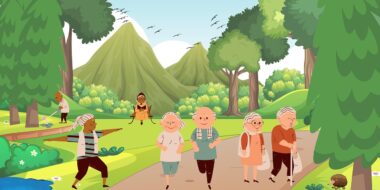
Another significant benefit of exercise for aging adults is the opportunity it provides for social engagement. Oftentimes, older individuals may face feelings of isolation, particularly if they have limited mobility or no close family nearby. Participating in group exercise classes not only serves the purpose of physical activity but also allows older adults to connect with peers. These interactions are essential for emotional health and contribute significantly to reducing feelings of loneliness. Many community centers offer various programs catering specifically to seniors, including dance classes, walking groups, and aquatic exercise sessions, all of which promote camaraderie. This social aspect creates a supportive environment, encouraging consistent attendance and building friendships. Engaging in exercise also sets the stage for storytelling and sharing experiences, which can forge meaningful connections among participants. Moreover, social engagement through physical activities can improve mental health, increase motivation, and foster a sense of belonging. Therefore, encouraging aging adults to join community exercise programs is not merely about fitness; it is also about creating vital relationships and networks that lead to happier, more fulfilling lives.
The role of exercise in enhancing sleep quality cannot be overlooked. Aging adults often struggle with sleep disturbances, which can affect daily functioning and overall well-being. Regular physical activity has been proven to help regulate sleep patterns, leading to deeper and more restorative sleep. Engaging in moderate exercise can increase sleep duration and quality while reducing the time it takes to fall asleep. Activities such as swimming or even a leisurely walk can help create a more peaceful state of mind, conducive to relaxation. It’s crucial to note that timing is essential, as exercising too close to bedtime may have the opposite effect on sleep quality. Therefore, aiming for earlier workouts throughout the day is recommended. Additionally, physical activity helps reduce stress and anxiety levels, contributing to a more peaceful night’s sleep. By enhancing overall sleep quality, seniors can improve their cognitive function, mood, and energy levels throughout the day. Thus, incorporating exercise into the daily lives of older adults is vital not only for physical health but also for improving sleep, which, in turn, contributes to better health in general.
Overcoming Barriers to Exercise
Despite the numerous benefits of exercise for aging adults, there are often barriers that prevent them from engaging in physical activity. Common challenges include mobility issues, fear of injury, and lack of motivation. It is essential to address these barriers to empower seniors to take control of their fitness journey. One effective approach is tailoring exercise programs to meet individual needs and abilities. Seeking guidance from health professionals can help create a safe, effective regimen. Incorporating activities that seniors enjoy will increase the likelihood of persistence and commitment to an exercise routine. Furthermore, local communities can offer programs specifically designed for older adults, ensuring that the activities cater to their needs while promoting safety. Building awareness about the importance of exercise and providing accessible resources can help improve adherence to physical activity. Encouragement from peers, family members, and friends can also create powerful motivation. Lastly, emphasizing the importance of consistency over intensity, even short bursts of activity can lead to significant health benefits. By addressing these challenges, older adults can embrace a more active lifestyle, contributing to enhanced quality of life and longevity.
In conclusion, the benefits of exercise for aging adults are multifaceted and vital for promoting overall health and happiness. Engaging in regular physical activity positively influences physical, mental, and emotional well-being. Exercise helps maintain muscle mass, supports cardiovascular health, and enhances cognitive function while providing essential social interactions. The social aspect of exercising not only encourages participation but also helps build friendships that contribute to emotional stability. Moreover, improved sleep quality is an added advantage that aids in daily functioning and overall quality of life. Addressing barriers to exercise, such as mobility issues or lack of motivation, can provide seniors with the tools they need to lead active lives. It is crucial for families, caregivers, and communities to support older adults in their pursuit of a healthy lifestyle through effective exercise regimens. Encouraging older adults to embrace an active routine can help improve longevity and enhance their quality of life in their later years. In essence, prioritizing exercise as a vital component of well-being is a shared responsibility that can lead to healthier, happier aging adults who thrive in their communities.