
How to Make Bodyweight Workouts Fun for Kids
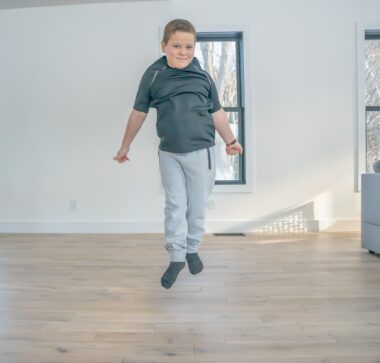
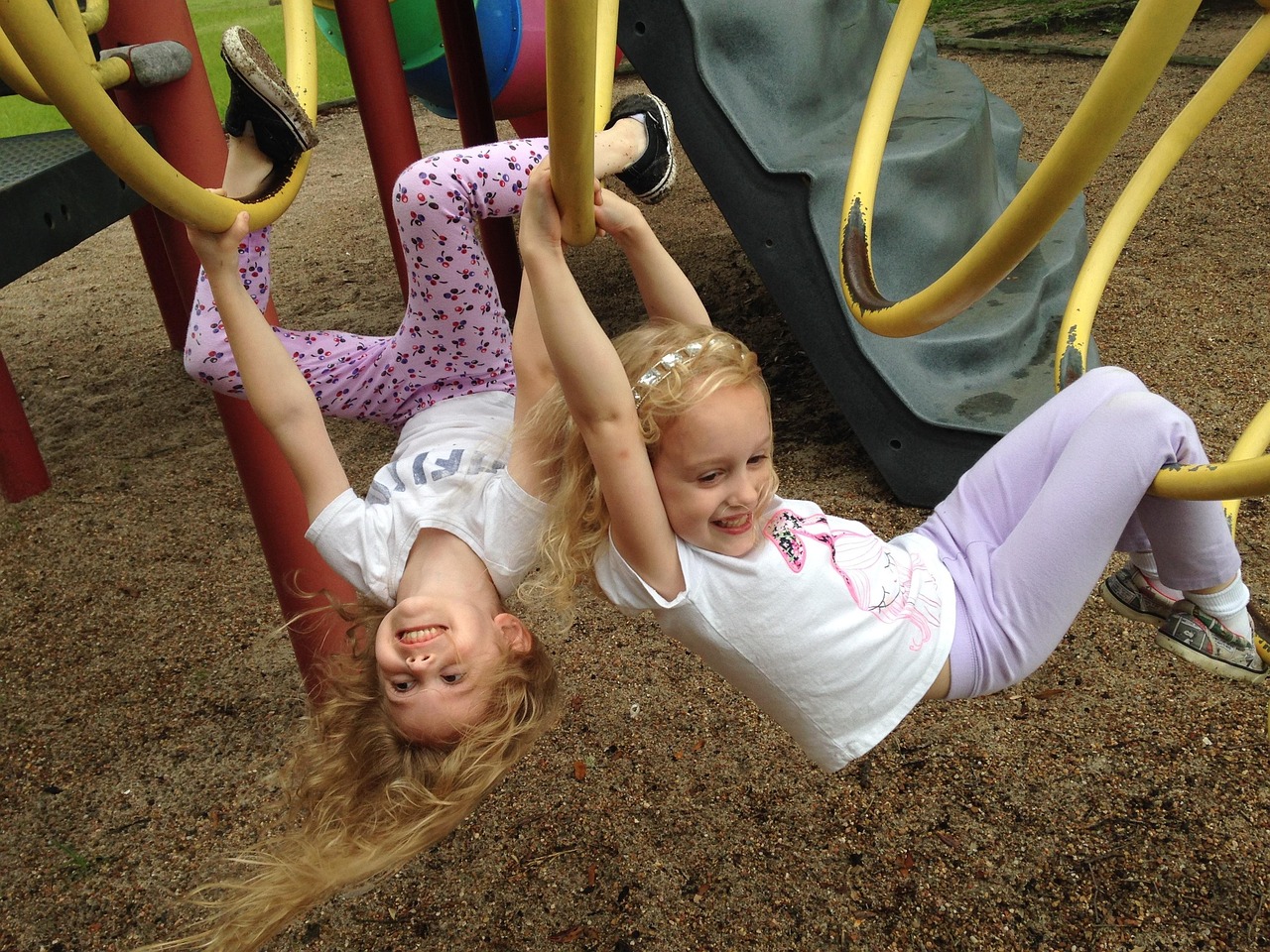
Engaging children in physical activity can be a delightful challenge, especially when it comes to bodyweight exercises. The idea is to transform ordinary routines into enjoyable games that stimulate their imagination. Bodyweight workouts offer immense benefits such as strength building and flexibility, but the key lies in making these exercises appealing. Incorporate elements like storytelling and themes that resonate with children. For example, they can pretend to be animals, emulating how different creatures move. This makes exercises more relatable and aids in their execution. Simple games like obstacle courses can be designed that include varied movements such as ducking, jumping, or crawling, all of which utilize bodyweight effectively. Creating a fun atmosphere is essential, so adding music, a timer for challenges, or rewards can motivate kids. Additionally, using playful terms instead of technical jargon can increase their enthusiasm. Regularly changing the workouts can prevent boredom and maintain their interest. Involving their friends can also make workouts feel more like social fun rather than exercise. Through creativity and engagement, bodyweight workouts can become a favorite activity for children, promoting lifelong healthy habits.
To further enhance the enjoyment of bodyweight exercises for kids, consider incorporating playful challenges. For example, you could organize a mini competition where children earn points based on their performance. This competitive edge, wrapped in fun, not only motivates but also adds an element of excitement. Simple challenges like who can do the most jumping jacks or hold a plank the longest can spark enthusiasm. Another effective strategy is to use colorful visuals or props; bright mats, bean bags, or hoops can turn the usual workout area into a jungle gym. Incorporating fun themes like a treasure hunt where each exercise leads them closer to a prize can enhance participation. You could even allow kids to choose their ‘exercise captain’ for the session, giving them a sense of ownership and responsibility. Fun narratives can also be woven into workouts, like pretending to battle villains or climbing mountains. This imaginative aspect not only engages their minds but increases exercise retention. Always take cues from the children’s feedback and adjust the activities to ensure maximum joy in movement. Ultimately, the goal is to instill a love for physical activities while ensuring adequate exercise through play and creativity.
Incorporate Music and Rhythm
Music has a profound effect when it comes to energizing workouts for children. Integrating rhythmic beats into bodyweight exercises creates a memorable experience, encouraging more vigorous participation. Consider creating a fun playlist that includes songs popular with kids. During workouts, cueing movements to specific lyrics or beats can help children understand timing and rhythm, making exercises feel like a dance rather than a chore. Activities such as ‘freeze dance’ can be a fantastic warm-up; when the music stops, kids must hold a yoga pose or balance for as long as possible. This method of learning through play reinforces good habits while keeping them entertained. Additionally, rhythmic activities like clapping or stomping can be integrated with exercises, synchronizing movements to the sound. Overall, the key is to choose upbeat and lively music that matches the energy levels of the exercises. Allowing kids to suggest songs or even perform their dance can be a great bonding experience. By tying music with movement, not only do you keep workouts lively and fun, you also help in developing rhythm, coordination, and an enduring love for fitness.
Another excellent method to make bodyweight exercises engaging for kids is by introducing partner workouts. Working in pairs encourages teamwork and communication while making physical activity less intimidating. For example, they can perform exercises like partner squats or wheelbarrow walks that require collaboration. Such activities can enhance their social skills and build confidence as they cheer each other on. Additionally, creating a fun challenge like a paired relay race—where children must complete two bodyweight exercises before tagging their partner—adds excitement and urgency to the workout. Children can also take turns designing partner exercises that promote creativity and input. Through these interactive sessions, they learn the importance of accountability and teamwork, fostering relationships while staying active. Having them share feedback with their partners about what they enjoyed most can also enhance their experience. As they grow older, the lessons in cooperation during exercise will translate into other areas of life. Ultimately, integrating partner activities not only breaks the monotony but also deepens friendships, ensuring that workouts remain a joyous experience rather than a chore.
Utilize Playful Themes
Themed workouts are a great approach to make bodyweight exercises appealing and imaginative. You might consider using themes from popular movies, books, or even seasons. For instance, a superhero-themed workout could have kids perform ‘superhero jumps’ and ‘flying kicks,’ letting their imaginations soar. Beach-themed workouts might utilize movements inspired by sandcastle builds and crab walks, enriching visual effects in their minds. Seasonal themes like ‘Winter Wonderland’ can be incorporated, with snowball squats and snow angel stretches captivating children’s attention. To make this effective, teaching kids to create their own storylines or scripts can enhance their involvement. Giving their imagination a voice elevates boredom and increases engagement. When they feel emotionally connected to the theme, they’ll have more motivation to participate. Additionally, themed colorful accessories like hats or props can enhance visual stimulation in these workouts, contributing to an immersive experience. Encourage kids to dress according to the theme, turning each workout into a mini-event. This playful approach can cultivate enthusiasm and joyful habits associated with physical fitness, fostering a positive relationship with exercise from a young age, thereby paving the way for a healthier lifestyle into adulthood.
Moreover, incorporating games into bodyweight exercises can significantly elevate the fun factor for kids. Traditional games such as tag or Simon Says can be modified to include various bodyweight movements. For instance, if a child is ‘it’, they can call out an exercise that everyone must perform until they are tagged. This playful interaction not only builds cardiovascular fitness but also keeps children engaged and entertained. Other ideas such as circuit games can be introduced where cada kid rotates through a series of bodyweight stations, moving from jumping jacks to push-ups to lunges. These circuits can take place in your backyard, ensuring outdoor fun while staying active. Kids love playing, and introducing elements of competition or reward, for example, a small prize for completing all stations, can enhance motivation. The key is to prioritize enjoyment; if they associate physical activity with fun, they’re more likely to maintain these habits later in life. Moreover, modifying games to balance challenge and fun allows for personalized experiences tailored to different skill levels, ensuring that every child feels included and accomplished during physical activities.
Create a Routine
Establishing a consistent routine for bodyweight exercises can make workouts more predictable and enjoyable for kids. Regular scheduling helps children understand the importance of physical activity in their daily lives. This familiarity can make them feel more comfortable and less resistant to participating. For younger kids, incorporate fun call-and-response activities that engage them in counting or timing intervals, making it feel like playtime. Older children may prefer setting fitness goals such as improving their push-up count over time. Bringing a visual schedule or calendar in their rooms can motivate kids to look forward to workout days, even integrating sticker rewards when they complete a week of exercises. Additionally, incorporating feedback sessions where they can suggest changes keeps them involved and invested in their routines. Ensure these recorded routines encompass a variety of exercises to maintain interest and energy. Once they gain a sense of ownership over their routine, kids are likelier to embrace it wholeheartedly. Creating a sense of anticipation leads to consistent practice of physical activity, establishing lifelong habits that enhance overall well-being and encouraging an active lifestyle as they grow.
Finally, connecting bodyweight exercises with nutritional education can maximize overall wellness for kids. It is vital to highlight the impact of nutrition on energy and performance. Teaching kids how the food they eat fuels their bodies can enhance their understanding and enthusiasm for physical activity. Interactive cooking sessions where children prepare their healthy snacks can create positive associations with nutritious food. Additionally, pairing workouts with nutrition-themed challenges can reinforce this connection; for instance, after completing a workout, they can discuss healthy food choices or make a colorful fruit salad together. Encouraging kids to choose fruits or vegetables to represent rewards helps create healthier habits over time. Integrating mindfulness activities after workouts, like breathing techniques or visualization, can further enhance their overall wellness approach. Apps or resources focused on healthy living can also support these discussions, providing kids with visual content to further pique their interest. Ultimately, fostering the link between bodyweight exercise and solid nutrition will cultivate a holistic perspective. This endeavor not only promotes physical fitness but also forms an understanding of overall health that ensures children grow into well-rounded, healthy adults.