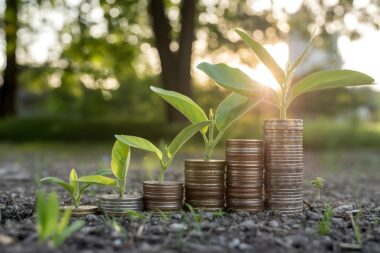
Financing Green Infrastructure to Enhance Community Fitness
The push towards sustainability has led communities to prioritize green infrastructure, which encompasses a variety of ecological projects designed to improve urban living standards. This approach not only addresses climate adaptation but also enhances the overall fitness of the community. When funding is allocated towards these initiatives, it typically comes from a mixture of public investments, grants, and private-sector contributions. This ensures that vital projects, such as parks, green roofs, and rain gardens, find their footing in urban planning agendas. Community fitness can be significantly improved through investments in green infrastructure, by providing recreational spaces that encourage physical activity, enhance biodiversity, and capture stormwater. Additionally, these spaces can help in reducing urban heat effects while improving local air quality. Ultimately, advocates for green finance highlight the dual benefits of investing in these green projects, as they not only improve ecological conditions but also create economic opportunities. By rallying community support and encouraging stakeholder participation, green finance strategies can be more effectively implemented. The long-term vision of sustainable growth hinges on the effectiveness of financial mechanisms to support ongoing green projects.
The Benefits of Green Infrastructure Investment
Investing in green infrastructure projects yields numerous benefits that positively affect community fitness and resilience. Selecting the right combination of projects ensures that initiatives serve multiple purposes, from beautifying urban spaces to effectively managing stormwater. For example, implementing permeable pavements can reduce flooding, while transforming vacant lots into community gardens promotes local food production. Well-planned investments can also align with social objectives, encouraging physical health by providing recreational facilities and promoting mental well-being through access to nature. The integration of green spaces within urban areas leads to healthier lifestyles, as residents are more likely to engage in outdoor activities, ultimately enhancing health metrics across the population. Furthermore, these projects can stimulate local economies by creating jobs and attracting tourism, contributing to a vibrant community spirit. The availability of green finance options is crucial for ensuring that essential projects transcend financial barriers. By emphasizing the interconnectedness of environmental health and community fitness, stakeholders reinforce the resolve to support such initiatives. Ultimately, adequate funding in green infrastructure positions communities to be agile and better equipped to face future environmental challenges with confidence.
Across the globe, cities are increasingly recognizing the importance of green finance to catalyze community fitness through infrastructure enhancements. Governments and finance institutions are developing frameworks that facilitate investments in green projects while maximizing returns. Various innovative funding mechanisms, such as green bonds and environmental impact bonds, pave the way for private investors to participate in financing sustainable infrastructure projects. These financing vehicles allow investors to channel resources into initiatives that promote environmental stewardship while generating lasting economic benefits. Communities that explore these funding options can directly reap the rewards of improved health outcomes and environmental quality. Additionally, public-private partnerships have emerged as a popular model for financing green infrastructure projects by combining the strengths of both sectors. These collaborations enable innovation and diversified funding sources that can accelerate project timelines. As citizens demand more sustainable practices, the emphasis on green finance will continue to grow, stressing the critical need for accountability and transparency in investment strategies. Transitioning to a low-carbon economy demands persistent efforts and collaboration, demanding that local governments engage actively with stakeholders to invest responsibly and sustainably in enhancing community fitness through green infrastructure.
Challenges in Financing Green Infrastructure
Despite the recognized benefits of green infrastructure, numerous challenges persist that hinder financing efforts. One major obstacle is the lack of consistent funding and investment mechanisms dedicated to environmental projects, leading to uncertainty over project viability and longevity. Traditional financing approaches may not adequately address the potential benefits of green infrastructure, often undervaluing the long-term savings associated with reduced healthcare costs and increased economic activity. Additionally, regulatory frameworks can inhibit innovative financing solutions, as many policies focus narrowly on traditional construction models as opposed to sustainable designs. This can create barriers for projects aiming to achieve ambitious environmental standards. Furthermore, educating stakeholders on the advantages of green investments can be challenging, as residents may not fully grasp the value proposition of these initiatives. Overcoming misconceptions and resistance to change requires robust outreach strategies and demonstrations of successful projects. To break through these challenges, fostering collaboration between government, private investors, and communities is vital in creating comprehensive funding strategies. As persistent obstacles continue to be addressed, the prospect of achieving sustainable infrastructure investments will undoubtedly enhance community fitness while constructing more resilient urban habitats.
Moreover, raising awareness about green finance’s role is crucial in addressing community safety and health issues linked to environmental factors. Systems that rely on outdated practices often overlook the long-term implications of infrastructure decisions. Comprehensive planning that focuses on integrating green features can lead to significant advancements in public health. For instance, creating walkable neighborhoods within cities enhances physical activities while providing essential amenities. Investing in pedestrian pathways and active transportation modes can incentivize a shift towards healthier commuting options. Additionally, enhancing public parks and recreational areas through green financing generates more opportunities for social interaction and community engagement. Improved green spaces have been shown to decrease crime rates, fostering a safer environment for local residents and encouraging community unity. As more concerns around climate change arise, the necessity for efficient financing becomes undeniable. By implementing green financial solutions, cities can create favorable environments that support mental and physical well-being. This shift in priorities leads to a more sustainable urban landscape that not only looks appealing visually but also offers protective measures in the face of environmental challenges.
Community Involvement in Green Finance
Investing in green infrastructure requires more than just financial capital; community involvement is essential for the successful implementation and maintenance of projects. Engaging local residents fosters a sense of ownership, creating advocates for supporting sustainable practices and funding initiatives. Seeking input from communities during the planning stages ensures projects meet their needs and reflect local values. This participatory approach enables authorities to collect valuable insights, enhancing the overall design and functionality of green infrastructure projects. Community involvement can manifest through volunteer programs, community workshops, or local advisory boards that actively contribute ideas and feedback. Not only does this inclusion drive equity in decision-making, but it also strengthens community ties. As residents feel more connected to their surroundings, they are more likely to advocate for continued investments in sustainability initiatives. Moreover, involving residents helps identify potential funding sources, as they may be knowledgeable about local grants, campaigns, or fundraising opportunities. The result is a more united community working collaboratively towards a resilient and sustainable future. Strengthening community bonds through green investments lays the groundwork for a healthier, more active population.
A successful trajectory towards financing green infrastructure is ultimately determined by the alignment of interests among diverse stakeholders. Communities, financial institutions, and policymakers must share a vision of an environment that encourages collaboration and innovation. By investing in green infrastructure, communities create healthier living environments which in turn contribute to the fitness of their inhabitants. This interconnectedness emphasizes the need for strategic planning that prioritizes both economic efficiency and sustainability. Developing green projects market incentives, such as tax credits, can further enhance financial viability and encourage responsible land usage. Simultaneously, the integration of smart technologies within these projects can drive monitoring and evaluation, maximizing project resilience. As cities move forward with the dual objective of enhancing environmental quality and community health, commitment to financially support green initiatives becomes increasingly crucial. Demonstrating the tangible benefits of green infrastructure investments can attract broader consensus among diverse stakeholders, from grassroots movements to corporate sponsors. Ultimately, nurturing these relationships leads to a collective effort addressing pressing environmental challenges and enhances community fitness in alignment with sustainability goals. This team-centered approach will pave the way for successful green finance solutions.
While tackling financing green infrastructure, the role of education must not be overlooked. A knowledgeable public serves as a strong advocate for green finance initiatives, pushing governments and businesses to focus on sustainable practices. Education campaigns can emphasize the long-term benefits associated with investments in green infrastructure, particularly those that impact community fitness positively. Understanding the correlation between environmental improvements and individual well-being can mobilize citizens to participate actively. Schools, local organizations, and nonprofits can collaborate in spreading awareness about the significance of green projects, particularly among younger generations. Encouraging this involvement helps create environmentally conscious future leaders equipped to make informed decisions. Workshops and training sessions on sustainable practices can empower community members to become proficient in advocating for green finance policies. Furthermore, reliable partnerships between public agencies, educational institutions, and local advocates can create effective platforms to address vital community fitness concerns. As these initiatives grow, they will foster a culture that prioritizes both environmental protection and community well-being. Moving towards the future, integrating education into green finance strategies continues to be a powerful tool in creating resilient communities that embrace investment in sustainability.