
Improving Flexibility with Bodyweight Strength and Mobility Exercises
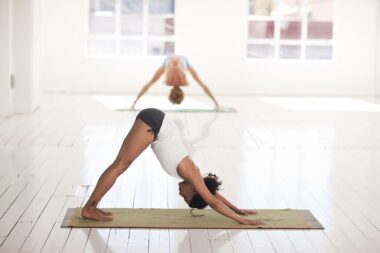
Flexibility is an essential aspect of overall fitness that often gets overlooked in strength training. Bodyweight exercises significantly contribute to improving flexibility while increasing strength and mobility. This combination can enhance athletic performance and reduce the risk of injuries. Incorporating exercises like lunges, squats, and various stretches into your routine can promote greater body awareness and agility. As you perform these movements, focus on the quality of each repetition, aiming to optimize your range of motion. Avoid rushing through the exercises, as proper form is crucial for both flexibility gains and safety. Keep your muscles engaged, ensuring you’re using your bodyweight effectively. Stretching after each workout session may further enhance flexibility. Remember that flexibility can take time to develop, and consistency is key to seeing progress. Each week, strive to improve your flexibility gradually while balancing strength and mobility routines. By approaching flexibility training with bodyweight exercises, you’re engaging in a holistic approach that benefits multiple areas of your fitness journey, ultimately promoting well-being and resilience throughout life.
To maximize the benefits of bodyweight exercises, it’s important to incorporate a variety of stretches that target different muscle groups effectively. Dynamic stretches, performed before workouts, can prepare your body for movement and enhance flexibility. For instance, leg swings and arm circles can be used as warm-up activities. After your workout, static stretching is beneficial for promoting muscle recovery and improving flexibility. Consider including stretches like the butterfly stretch, hamstring crows, and deep lunges to effectively target tight muscles. Use your body weight to push deeper into these stretches, gradually increasing your range of motion without forcing it. Consistency will lead to enhanced muscle elasticity and range of motion over time. Many practitioners suggest maintaining each stretch for at least 30 seconds to maximize the benefits of each movement. Additionally, including yoga or Pilates sessions into your week can be beneficial, as these practices are designed specifically to improve flexibility and strength holistically. Focusing on the breath during stretches can also improve relaxation, further enhancing flexibility while reducing stress levels.
Incorporating Core Exercises
Engaging your core is vital when performing bodyweight exercises to improve flexibility, as it aids stability and balance while stretching. Core-strengthening exercises such as planks, hollow holds, and bicycle crunches not only work your abdominal muscles but also contribute to overall body awareness and mobility. A strong core helps support your spine during dynamic movements, providing the necessary strength to perform stretches efficiently. Focus on maintaining proper alignment throughout your workouts, as this alignment ensures that all muscles work in concert. By stabilizing your core, you can reach deeper into stretches without compromising form, allowing for greater flexibility gains. Additionally, combining bodyweight exercises focused on the core with flexibility routines can save time while maximizing results. As you progressively incorporate more core work, challenge yourself with variations of standard exercises to keep your routine fresh and effective. Once your core strength improves significantly, you’ll likely notice better performance in flexibility exercises as your body learns to engage multiple muscle groups interactively, ultimately enhancing your overall fitness levels.
Beyond regular stretches and core exercises, mobility drills are essential for enhancing flexibility as well. Incorporating a variety of mobility drills into your workouts can target specific joints and muscles, ensuring an all-around approach to flexibility. Movements like hip circles, arm crossovers, and thoracic twists can engage different areas of the body, promoting joint health. As you add these drills, focus on fluidity and control throughout your range of motion. Remember that the goal of mobility work is to enhance movement quality rather than rush through repetitions. By performing movement patterns that mimic everyday activities, you increase your functional flexibility. You may also consider using foam rollers or massage balls to relieve tightness in specific areas before or after workouts. This self-myofascial release technique promotes better blood flow and muscle recovery, which can significantly improve flexibility over time. Experiment with various mobility drills to discover which routines best benefit your unique body. Tracking progress can also help you stay motivated, enabling you to fine-tune your approach as you learn more about your body’s specific needs.
Developing a Routine
Consistency is crucial when it comes to developing flexibility through bodyweight exercises. To create an effective routine, start by determining your fitness level and selecting appropriate exercises accordingly. Aim to schedule flexibility-focused workouts at least three times a week to establish a consistent practice. Incorporate a mix of warm-up dynamic stretching, bodyweight strength exercises, mobility drills, and cooldown static stretches. This approach ensures that you’re targeting all aspects of flexibility development. Always listen to your body and adapt your routine as necessary, especially if tightness arises or there is discomfort. Gradually increasing the duration of stretches or the intensity of movements can help you avoid plateaus and continue progressing towards your flexibility goals. Journaling your workouts or using fitness apps to record your sessions can prove helpful for monitoring progress. Setting short-term and long-term flexibility goals can provide motivated focus while increasing your likelihood of achieving lasting results. Focus on patience and allow yourself time to improve naturally; flexibility is a gradual journey rather than an overnight success.
Your nutrition can also significantly impact your flexibility. Maintaining a balanced diet full of nutrients supports muscle recovery and overall performance, positively reflecting your flexibility practices. Eating whole foods rich in antioxidants, healthy fats, and lean proteins can promote optimal tissue health and muscle function. Stay adequately hydrated, as water plays a key role in keeping muscles and tendons elastic. Additionally, consider incorporating foods rich in omega-3 fatty acids, such as flaxseeds and salmon, which may help reduce inflammation and improve flexibility. Regularly consuming fruits and vegetables high in vitamins and minerals aids overall health and should be an integral part of your diet. Supplements such as collagen can also assist in maintaining healthy connective tissues, although it’s important to consult with a healthcare professional before starting any new supplement regimen. By aligning your nutritional practices with your training regimen, you create an environment conducive to flexibility gains. This holistic approach ensures that your body is adequately nourished to support physical activities, resulting in better long-term success in achieving your flexibility goals.
Conclusion: Commitment to Flexibility
The commitment to improving flexibility using bodyweight exercises leads to increased strength, mobility, and overall physical performance. Embrace this journey with both determination and an open mind, understanding that flexibility is not merely a physical trait but part of your overall fitness and health. Stay focused on your goals, and regularly assess your progress while remaining patient. Celebrate small achievements, as they serve as motivation to keep going. Engage with various resources such as books, online communities, or fitness classes, ensuring continuous learning and inspiration along the way. Understanding the significance of flexibility will enhance your appreciation for bodyweight training and its benefits. Moreover, sharing your experiences with others can bolster accountability and create a supportive environment. Remember that flexibility isn’t a destination but rather a lifelong practice that enriches your quality of life. By integrating bodyweight exercises with proper nutrition and recovery strategies, you’ll pave the way towards improved flexibility and overall wellness. Lastly, cherish this journey of self-improvement, knowing that each small step contributes to your growth and success.