The Role of Sleep Tracking in Enhancing Fitness Progress
When it comes to fitness, sleep is often overlooked. Many men emphasize diet and exercise, neglecting the importance of adequate rest. Sleep tracking can significantly enhance fitness progress by providing insights into sleep quality and duration. Understanding sleep patterns helps athletes optimize their recovery, energy levels, and overall performance. Additionally, tracking sleep can reveal correlations between rest and workout effectiveness. For instance, those who consistently log adequate sleep tend to notice marked improvements in strength and endurance. They may also recover faster from injuries. Analyzing trends over time allows fitness enthusiasts to make informed adjustments. Sleep quality can impact testosterone levels—an essential hormone for men’s fitness. Low testosterone can lead to decreased muscle mass and increased fatigue. Utilizing sleep tracking devices can reveal critical data points, such as REM cycles and sleep stages. This information guides men towards healthier sleep habits. In conclusion, recognizing the intimate connection between sleep and fitness creates a powerful framework for improvement. By focusing on sleep tracking, individuals are more likely to achieve their fitness goals efficiently.
Understanding optimal sleep duration is crucial for fitness enthusiasts. Most experts recommend that adults aim for seven to nine hours of sleep per night. However, not just quantity matters—sleep quality is equally important. Quality sleep enables the body to undergo necessary repair processes, such as muscle recovery and hormonal regulation. Incorporating sleep tracking can help identify patterns that affect sleep quality, like excessive screen time before bed or consuming caffeinated beverages late in the day. Individuals can design personalized strategies based on this data. By limiting screen exposure in the evening and creating a bedtime ritual, better sleep quality can be achieved. Moreover, monitoring sleep allows men to recognize when they’re lagging in rest, prompting them to adjust workout intensity. Some may find that high-intensity days require longer recovery periods, leading them to prioritize restorative sleep. Lesson learned? Make sleep tracking an integral part of your fitness regimen. Investing in sleep will elevate your workouts, improve your mood, and keep you motivated. Committing to sufficient sleep unlocks the path to optimized performance, turning good intentions into excellent results.
Tracking Sleep for Recovery Improvement
Recovery is a vital aspect of any fitness journey, and sleep plays a huge role in it. Active recovery can be significantly enhanced by ensuring quality sleep via effective tracking methods. Many fitness trackers provide comprehensive data on sleep stages, such as REM and deep sleep. These stages are critical for physical repairs and mental rejuvenation. By understanding how much time is spent in each stage, individuals can adjust their bedtime and sleep environment accordingly. For instance, creating a cool, dark, and quiet room can promote better sleep quality. Additionally, tracking can inform users of how different factors affect their rest—nighttime workouts, nutrition, or stressful days might impact duration or quality negatively. This awareness is empowering, allowing for informed choices that prioritize recovery. Proper recovery enables more effective training sessions, leading to overall improved fitness levels. The link between sleep patterns and training results is substantial. More aware individuals are better at planning workout schedules around personal sleep needs. Sleep-focused strategies create a harmonious balance for those seeking to improve overall fitness. Incorporating regular sleep analysis enhances recovery options for every athlete.
Sleep deprivation can severely hinder any fitness progress. Reduced sleep leads to fatigue and decreases motivation, making it harder to stay committed to workout routines. Tracking sleep helps ascertain how much sleep is required to feel energized and focused. Daily adjustments based on sleep data can prevent burnout, motivating individuals to pursue fitness objectives sustainably. Sometimes, individuals fall into a cycle of under-recovery. They may ignore sleep deprivation signs, thinking they can push through, ultimately leading to injuries. Understanding one’s sleep cycle prevents this negative spiral. Many fitness apps come equipped with features that allow integration of sleep tracking with exercise data. This integration can identify trends connecting insufficient sleep and reduced performance metrics. Consequently, users can devise actionable plans to enhance their regimen. Prioritizing sleep does not simply enhance energy; it also fosters better focus and a positive mindset during workouts. Mental clarity supported by adequate rest allows individuals to push limits effectively. Being well-rested improves cognitive functions, which are essential when trying to refine skills or improve techniques. Combining sleep tracking with fitness goals enhances both accountability and results.
Leveraging Technology for Sleep Tracking
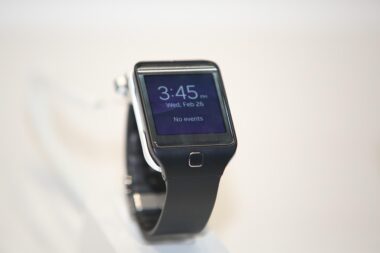
In our tech-driven era, numerous tools exist for men to track their sleep. From smartwatches to mobile apps, various options are readily accessible. These gadgets often include features that monitor heart rates, breathing patterns, and sleep cycles. Such data equips fitness enthusiasts with comprehensive tools to achieve optimal rest. Leveraging sleep technology can promote accountability—many individuals are more inclined to prioritize sleep when it is being measured and recorded. These insights reveal stark realities about sleep habits, enabling changes that lead to better rest. The aim is to analyze the data critically and identify actionable steps. For instance, if tracking indicates difficulties falling asleep, users can adapt habits to enhance relaxation. Simple modifications might include stretching, meditation, or even reading before bed. Furthermore, sharing sleep data with a fitness coach can provide additional perspectives, allowing for tailored advice. This collaboration fosters a more holistic approach to fitness progress. Future advancements may further refine sleep tracking capabilities, offering even greater insights. As a result, those committed to fitness can expect a science-backed way of approaching sleep for enhanced performance.
Using sleep tracking data can guide important lifestyle changes beyond just bedtime. Nutrition plays a critical role in influencing sleep quality, and monitoring sleep can highlight this relationship. For example, consuming heavy meals shortly before bed often leads to disrupted rest, while a balanced diet promotes better sleep outcomes. Understanding these correlations encourages individuals to examine dietary habits closely. By adjusting food intake—think smarter snack choices or meal timing—men can cultivate healthier sleep patterns. Hydration is another aspect to consider. Dehydration, particularly through the night, can also affect sleep quality. Analyzing sleep data can reveal the impact of hydration levels on sleep quality. These daily choices create an ecosystem fostering both fitness progress and restorative sleep. Acknowledging the need for balance is essential in maximizing fitness gains while optimizing recovery. Simple changes in lifestyle and mindset can lead to remarkable results. Encouragingly, many individuals report enhanced sleep simply by recognizing its importance within their fitness journeys. Prioritizing restful nights can lead to a holistic transformation, aligning one’s wellness goals—fitness becomes possible and sustainable through sleep tracking, leading to far-reaching benefits.
Final Thoughts on Sleep and Fitness
In conclusion, sleep tracking is an invaluable resource for men dedicated to enhancing fitness progress. Awareness gained through data can lead to transformative practices, aligning fitness endeavors with personal needs. Emphasizing sleep opens doors to optimizing recovery, focus, and performance in weekly workouts. Rethinking narratives revolving around sleep deprivation can change perspectives entirely. Integrating sleep tracking within fitness routines supports long-term health sustainably. Ultimately, developing a holistic understanding that sleep is not an option but a necessity can help redefine fitness journeys positively. Informing oneself about sleep’s role lays strong foundations for better physical and mental health. Safe practices, a commitment to self-care, and recognizing personal signals accelerate achieving results. By prioritizing sufficient quality sleep, individuals become better equipped to tackle challenges and maximize their potential. For those confused about their next steps, embracing sleep tracking as an essential tool will substantially benefit overall fitness journeys. This approach transcends mere data, becoming intrinsic to a balanced lifestyle. With every sleep cycle leveraged to enhance fitness outcomes, achieving health goals becomes more attainable.