
How to Use Ketone Monitoring to Avoid Plateaus in Weight Loss
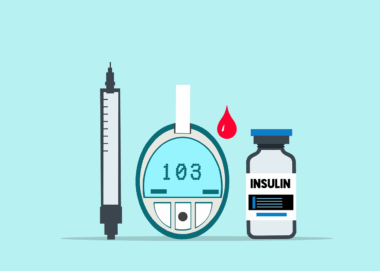
Understanding ketosis is crucial for anyone following a ketogenic or low-carb diet. Ketosis occurs when the body burns fat instead of carbohydrates for fuel, producing ketones. Monitoring your ketone levels can help determine whether you’re in a state of ketosis. Knowing how to effectively measure your ketones can provide insights into your eating habits and overall progress. There are various methods to monitor ketone levels, including urine strips, blood meters, and breath analyzers. Each method has its pros and cons; for instance, urine strips are accessible and easy to use, but they may not be as accurate as blood or breath tests. Regularly checking your ketone levels helps adjust food intake and maintain ketosis. Many find that specific foods disrupt their state of ketosis, so tracking can lead to better dietary choices. Keeping logs of your measurements alongside your meals can be beneficial in identifying patterns. Combining this information with a workout schedule can further enhance your weight loss journey by preventing plateaus that often arise during dietary changes.
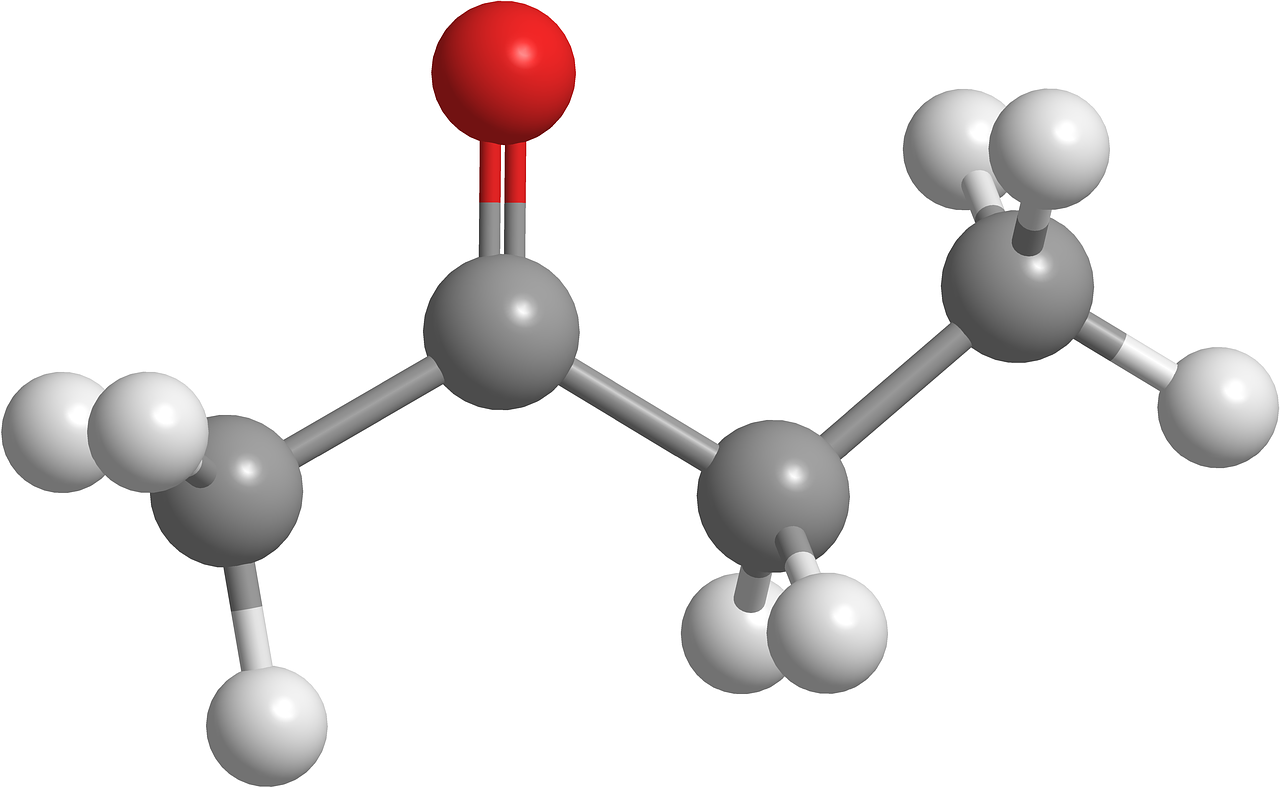
Another essential aspect of monitoring ketone levels is understanding the different types of ketones produced by the body. Acetoacetate, beta-hydroxybutyrate, and acetone are the three primary ketone bodies that provide energy during ketosis. Blood tests typically measure beta-hydroxybutyrate levels, while urine strips assess acetoacetate. Knowing these differences may help you choose the best monitoring method for your needs. Additionally, it can guide you towards understanding when adjustments in your diet are necessary. For instance, if your ketone levels fall below the targeted range, it might be time to re-evaluate your carb intake. Focus on maintaining a balanced ratio of fats to proteins while limiting carbohydrates. Keep an eye on portion sizes and overall caloric intake as well. Tracking not only ketones but also your caloric intake provides a complete picture of your dietary adherence. Using apps for logging these metrics can simplify tracking and enhance accountability. Incorporating this practice can improve motivation and ensure you’re consistently working towards your weight loss goals without hitting frustrating plateaus.
Importance of Regular Monitoring
Regularly monitoring ketone levels can offer immediate feedback on the effectiveness of your diet and exercise regimen. When incorporated into your routine, it can lead to actionable insights and adjustments. For example, if you notice a discrepancy between your diet and ketone levels, changes can be made promptly rather than after weeks of stagnation. Additionally, this practice fosters a deeper connection with your body’s responses to food. Listening to your body is crucial, and consistent tracking can help identify what works for you individually. After all, everyone’s metabolism is unique. Having this data allows for personalized adjustments that enhance the weight-loss journey. The sense of empowerment you gain will motivate you to keep pushing through challenging periods. Overcoming plateaus can feel burdensome, but proactive monitoring makes it achievable. As you become more comfortable interpreting your results, you’ll better anticipate your body’s needs. This can help you overcome any hurdles that might arise due to changing body dynamics during your weight loss journey. Be patient with yourself and embrace this method as part of your dietary lifestyle.
It’s also essential to consider external factors affecting ketone production and measurement accuracy. Factors such as hydration levels, sleep quality, and physical activity can significantly influence your ketone readings. For instance, dehydration can cause falsely elevated ketone levels. Therefore, it’s vital to maintain proper hydration while pursuing a low-carb or ketogenic lifestyle. Similarly, inadequate sleep affects hormonal balance, which can hinder your ability to maintain ketosis. Regular exercise contributes positively to ketone production, enhancing overall metabolic function, and even minor changes in your routine can significantly impact your results. Tracking these external factors in conjunction with your ketone levels gives a holistic perspective on your health. Additionally, consider environmental variables like stress or illness that might skew results. Sometimes achieving ketosis may require a more tailored approach instead of a one-size-fits-all model. By being aware of these elements, you can mitigate fluctuations and improve the clarity of your monitoring efforts. Always remember, refining your strategy is an ongoing process that requires flexibility and a willingness to adapt as needed.
Adapting Dietary Strategies
Adapting your dietary strategies based on your ketone readings can lead to more substantial weight loss results over time. For example, if your ketone levels suggest you’re not in ketosis, you may need to tweak your macronutrient ratios. Consider increasing your healthy fat intake while decreasing carbohydrates to foster a more favorable environment for ketosis. This approach helps avoid the common issue of plateaus that many dieters experience after initial success. Food choices matter; prioritize nutrient-dense options and experiment with various fats such as avocado, olive oil, and nuts. By incorporating food diversity, you’ll find it easier to sustain a long-term low-carb lifestyle and prevent boredom. Don’t hesitate to pivot your cooking methods or embrace new recipes that align with your dietary goals. Community resources are invaluable; consider joining keto forums or groups where you can share experiences and recipes. Engaging with others can offer motivation and support while providing fresh ideas. Keeping a diverse food inventory, coupled with consistent monitoring, will ultimately strengthen your dietary journey and sustain your momentum towards reaching your weight loss objectives.
Another beneficial strategy involves aiming for nutritional ketosis, which focuses not only on achieving ketone production but also on ensuring that the body receives essential nutrients. This approach emphasizes high-quality fats, proteins, and low-carb vegetables while avoiding processed foods. Clean eating can enhance overall health and optimize weight loss progression. Furthermore, consider supplements that support ketosis, such as MCT oil, which may enhance ketone production. Proper supplementation can help bridge gaps in your diet and sharpen your focus on achieving desired health outcomes while monitoring your ketones. Besides, tweaking your food intake based on seasonal produce can diversify your meals. Foods like spinach, kale, and broccoli not only fit a low-carb diet but also pack essential vitamins and minerals. Regularly changing your seasonal menu keeps meals fresh and can help break through plateaus. As you explore new ingredients, be intentional about tracking their effects on your ketone levels. Engaging creativity in your meal planning will boost satisfaction and adherence to your dietary goals without sacrificing enjoyment, making the process fun yet effective.
Staying Motivated and Accountable
Lastly, motivation plays a significant role in maintaining consistency while pursuing a ketogenic or low-carb lifestyle. Combining ketone monitoring with accountability mechanisms, like partners, groups, or online communities, can yield positive outcomes. Sharing your progress with others amplifies your commitment and helps stay on track during challenging times. Engaging in discussions about successes and hurdles motivates individuals to keep striving towards their weight loss goals. Feedback can also provide unique insights to improve dietary habits or monitoring techniques. Moreover, celebrating small victories, such as reaching specific ketone levels or reducing weight, enhances morale. Consider setting achievable milestones that reward you while reinforcing commitment to your plan. Visualization techniques, such as tracking progress in graphics or journals, can also be rewarding and provide a structured overview of your journey. Remember, weight loss isn’t always linear, and engaging with your community can help navigate through difficult phases. With effective monitoring, dietary adaptations, and a strong support system, you’ll be well-positioned to avoid plateaus, ensuring lasting success in achieving your weight loss aspirations through targeted ketosis management.
In conclusion, successfully utilizing ketone monitoring leads to smarter dietary decisions that ultimately combat weight loss plateaus. By examining your ketone levels, understanding the different types of ketones, and adjusting dietary strategies accordingly, you can elevate your weight loss journey. Recognize that monitoring is not merely about numbers; it symbolizes a deeper connection to your health and goals. The dynamic relationship between food, exercise, and overall well-being allows room for flexibility and adaptation. As you enhance your awareness through diligent tracking, you empower yourself to make choices that foster a sustainable lifestyle. Incorporate feedback from your ketone readings, adopt nutritional strategies, and indulge in community support while remaining open to adjusting your methods. The importance of maintaining motivation cannot be overstated; staying connected to a support network fosters accountability and keeps the momentum going. Remember, the goal is to develop a healthy relationship with your body and food that encourages long-lasting results. Ultimately, as you invest time in monitoring and understanding your body, you will continue on a fulfilling journey towards achieving your weight loss objectives with the ketogenic diet.