
Choosing the Right Adaptive Fitness Competition for You
Adaptive fitness competitions provide an excellent opportunity for individuals with disabilities to showcase their abilities in a supportive environment. Many events cater to varying skill levels, so it’s important to research competitions that align with your strength and goals. First, define what type of competition you want to engage in. Options can range from local community events to national competitions. Some are Olympic-style, demanding high skill levels, while others focus on participation and encouragement. It’s useful to consult with coaches or peers who have experience in these competitions, as they can provide invaluable insight. Additionally, consider the organization hosting the event as it can greatly affect your experience. Organizations like Adaptive Fitness provide structured organizations that facilitate competitions designed for athletes with disabilities. Evaluate your personal goals and interests because this can influence your overall enjoyment and motivation throughout the process. Always consider the specific rules and equipment required for each event, as this can impact your eligibility and readiness to compete.
Furthermore, you should assess the competition’s accessibility and location. Many adaptive fitness events provide accommodations; however, it’s advisable to communicate any special requirements with the organizers beforehand. Investigate details such as transportation, venue accessibility, and amenities offered to ensure a comfortable experience. Engaging with local adaptive sports communities can also open doors to varying event types compatible with your abilities. Social media platforms and dedicated websites can provide up-to-date information on upcoming events tailored for adaptive athletes. When attending these competitions, networking with fellow participants can enhance your awareness of future opportunities and help foster friendships. By forming connections, you may receive valuable tips or encouragement that could enhance your future participation. Often, inclusivity is a cornerstone of these competitions, underscoring the need for creating environments where everyone feels welcome. Take time to watch or participate in demonstrations of the event style you plan to join as it provides insight into the competition structure, allowing for better preparation.
Types of Adaptive Fitness Competitions
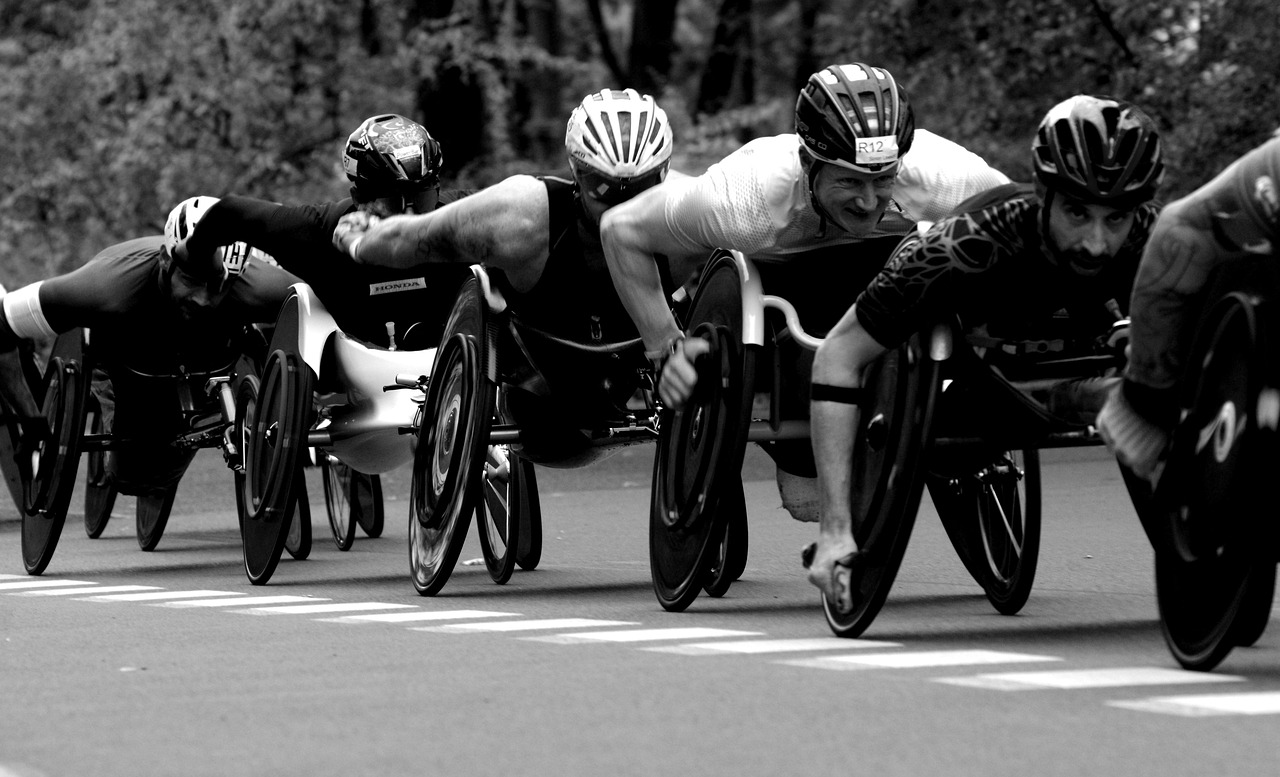
Different categories of competitions target specific abilities and preferences. Some offerings focus on strength training, while others may celebrate endurance sports or skill-based activities. Events could include traditional weightlifting contests, wheelchair races, or team sports like adaptive baseball. Identifying where your strengths lie is vital, as well as recognizing your passion. Engaging in competitions that resonate with your interests can spark motivation and growth. Additionally, keep an eye out for festivals celebrating adaptive sports that might not always carry a competitive edge. Participating in these relaxed, fun environments could enhance your skills without the pressure of winning. Moreover, try volunteer opportunities in events to gain experience without commitment. Volunteering helps establish your understanding of competition dynamics firsthand, enabling you to evaluate your potential participation. This approach can also ease nerves associated with your first competition experience. Balancing competition with enjoyment is crucial, as positive experiences can dramatically influence your long-term engagement in adaptive fitness activities.
It’s essential to factor in the training regime leading up to the competition. Proper training ensures that participants not only showcase their strength but also prioritize safety. Develop a structured training plan tailored to your competition style and personal goals. This schedule should consider improved technique, physical conditioning, and mental preparation. Seek guidance from certified adaptive fitness trainers, as their expertise can help in customizing your approach. Join local adaptive sports clubs to train and connect with peers striving for similar goals; shared experiences can foster camaraderie and competitiveness alike. Regular training helps build confidence and gradually lessen pre-competition anxiety. Additionally, integrating cross-training methods can keep fitness regimes fresh and engaging, thus reducing the chances of burnout. During this preparation phase, practice self-care to emphasize a healthy mind and body. Including rest and recovery in your training strategy is vital to avoid injuries and fatigue. Take time to reflect on your progress and adjust your goals based on your achievements to maintain motivation.
Preparing Mentally for Competition
Equally important to physical training is the mental aspect of competitive participation. Understanding how to cope with pre-competition jitters and nervousness can vastly improve performance. Consider incorporating mental visualization techniques where you mentally rehearse successful competition scenarios, enabling your body to adapt to challenges. This technique has proven effective for countless athletes, reducing anxiety and boosting confidence levels. Building a strong support network is also paramount. Connect with coaches, peers, or family members who can provide motivation and encouragement. Sharing your competition goals with these supporters can offer accountability throughout your journey. You can also join online forums or social media groups focused on adaptive fitness competitions; this space can encourage conversations to alleviate performance anxiety through shared experiences. Reflecting on past successes, no matter how minor, can serve as a reminder of your capabilities, reinforcing a positive mindset. Moreover, cultivating a healthy routine incorporating nutrition and sleep can significantly optimize cognitive function, ensuring mental sharpness on competition day.
When selecting an adaptive fitness competition, consider your personal motivation while being mindful of the community around you. Participate in competitions that resonate with your ambitions, whether they emphasize personal achievement or competitiveness. A sense of community can enrich your experience, making competitions more memorable. Engage with coaches to ensure your training aligns with event demands, helping you navigate any challenges that arise. Find balance through acknowledging your limitations while continually striving for progression. Building resilience through competition can improve self-esteem and foster opportunities for personal growth. Maintain vigilance in monitoring your physical limits, as this will help prevent injuries. One of the most important aspects of an adaptive competition is enjoyment; never lose sight of why you’re participating. Celebrate your achievements, regardless of outcome; each competition is an opportunity to learn and grow. Community feedback, whether positive or constructive, can facilitate improvement and enhance future performances. Embrace the journey, including triumphs and setbacks, as they shape you into a well-rounded athlete.
Conclusion and Next Steps
In conclusion, choosing the right adaptive fitness competition is not only about testing your limits but also enhancing your personal growth. As you navigate through the many options available, prioritize what aligns best with your personal goals, abilities, and the supportive community you wish to cultivate. The journey to competition introduces valuable lessons about resilience, passion, and the spirit of sportsmanship. Whether you decide to compete or participate in a less formal environment, your involvement can lead to lifelong friendships and shared experiences. It is crucial to remain open-minded and adaptable throughout the process. Continually explore new competitions and opportunities to expand your skill set, ensuring you evolve as an athlete. Be proactive in reaching out to coaches or mentors who can provide guidance, particularly if you are new to this realm. Remember that incremental progress is key, and every step forward deserves recognition. So, set your sights on future competitions with enthusiasm, armed with the knowledge gained from previous experiences and the resources available to you.
Engage with local adaptive sports clubs to access training, coaching, and social opportunities catered to you.