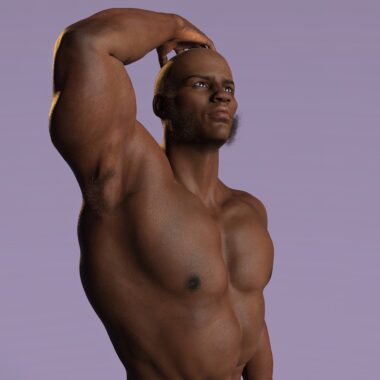
Symmetry and Proportion: Posing Focused on Muscle Balance
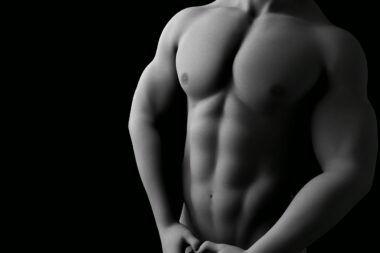
In bodybuilding, achieving symmetry and proportion is essential for success at competitions. Competitors are judged on how well their muscle groups complement each other. This means not just developing each muscle group, but also ensuring that they are balanced in size and definition. A well-rounded physique should present a visually appealing shape and flow naturally from one muscle to the next. For this reason, understanding each muscle group’s role in enhancing overall aesthetics is vital for every bodybuilder. Proper posing can effectively highlight strengths and minimize weaknesses. Frequent practice in front of a mirror helps competitors identify their best angles and refine their routines. Consideration of symmetry when selecting poses significantly affects how judges perceive them. Thus, both training and posing should incorporate a constant focus on maintaining muscle balance. Bodybuilders should remember that specific poses emphasize certain muscle groups while diminishing others, so strategic planning is critical. Careful attention to detail during preparation ensures that competitors appear polished and well-prepared for the stage. Ultimately, demonstrating balanced proportions through posing not only showcases hard work but also solidifies a competitor’s standing in the eyes of judges.
Muscle groups can be categorized in various ways, but understanding how they interact is crucial. For bodybuilders, two categories matter most: major muscle groups and supporting muscles. Major muscle groups include the chest, back, legs, and shoulders, while supporting muscles are those that assist during exercises without being the main focus. Posing should bring these groups into the spotlight in harmonious arrangements. When a bodybuilder poses, one must ensure that each muscle group is represented effectively. For instance, presenting the chest must not overshadow the shoulders or the arms; all muscles should work together in unison. Therefore, peer feedback during practice can help identify areas needing adjustment or improvement. Additionally, posing routines should be structured to transition smoothly from one muscle group to another for continuity. Scheduling posing sessions during training allows for adjustments and integrations of feedback received. Bodybuilders can tap into this approach to enhance not only their strength but also their overall appearance on stage. Recognizing the importance of supporting muscles will further create a more unified look that captivates judges and onlookers alike.
The Role of Core Strength in Posing
Core strength is fundamental not just for physical performance but also for effective posing on stage. A strong core stabilizes the body and ensures precise muscle engagement during poses. This stability allows bodybuilders to present their physiques confidently and without wobbling or straining. The core comprises several muscles that work together to control posture and balance, including the rectus abdominis, obliques, and transverse abdominis. Proper engagement of these muscles can enhance not only the appearance but also the effectiveness of poses. Bodybuilders often overlook core strength training, focusing primarily on the visible muscles. However, the core must be powerful to support larger muscle groups when posing. Therefore, incorporating core exercises, such as planks and cable rotations, into training routines is vital. Along with traditional lifting techniques, bodybuilders should dedicate time specifically for core workouts. Proper core engagement allows for more refined muscle definition and symmetry, presenting an elegant flow. As the physique appears to be more balanced, this attention to core strength translates to higher scores in competitions. Ultimately, the extraordinary presence facilitated by a strong core remains a critical factor in success.
Developing an Effective Posing Routine
A well-developed posing routine is essential for showcasing muscle balance and symmetry. Creating a routine should begin with selecting signature poses that highlight personal strengths. Each pose should be practiced until it yields confidence and polish through repetition. Judging often occurs quickly, so bodybuilders must ensure their poses make immediate and positive impressions. When designing a routine, consider the performance order, allowing each muscle group to shine sequentially. A good formula puts larger, more prominent muscle groups at the forefront while strategically transitioning to smaller muscle groups. This approach provides contrast, maintaining the audience’s attention throughout. It is beneficial for athletes to analyze videos from experienced bodybuilders to identify successful strategies. They can employ these ideas in developing their individual routines, promoting enhanced performance and visual appeal. Additionally, regular video recordings of training sessions can help in observing improvements or areas for development. Practicing in various environments further bolsters adaptability and readiness on stage, allowing competitors to feel confident amidst challenging conditions. Collaboration with experienced coaches can lend critical insights to refining poses, constructing an outstanding routine that exhibits mastery of symmetry.
In bodybuilding, confidence plays an immense role the moment one steps onto stage. Preparing for such a display can be daunting; combining strength and aesthetics often creates performance anxiety. To combat this, establishing a positive mindset is crucial. While physique is important, mental preparation is equally essential for unforgiving competitions. Athletes should develop pre-competition rituals that foster feelings of confidence and control. This could include visualization techniques, where bodybuilders imagine themselves performing perfectly and receiving accolades from judges. Additionally, calming exercises, such as deep breathing or light stretching, can relieve pre-show jitters. Acknowledging the hard work invested can also reinforce self-assurance. Bodybuilders can amplify this by surrounding themselves with supportive friends or coaches who believe in their abilities. Positive affirmations can further enhance their focus, encouraging them to present with poise and confidence. This psychological preparation will ultimately translate to performance, allowing competitors to demonstrate their hours of dedicated training through fluid poses. Confidence boosts presence on stage, significantly impacting the judges’ perception of a competitor’s performance. Those who approach the stage with pride exhibit a passion that resonates with the audience, which can lead to competitive success.
Judging Criteria for Symmetry and Proportion
Understanding the judging criteria is fundamental for bodybuilding competitions focusing on symmetry and proportion. Judges assess competitors based on predetermined factors, grading their performances in specific categories. These categories include overall symmetry, muscularity, and definition, with the overall presentation influenced by pose selection. Competitors must demonstrate not only strength, but significant muscle balance among the various groups. Judges are meticulous, often scrutinizing how well one muscle group complements another. This attention to detail allows judges to discern between competitors, highlighting who embodies the ideal physiques. Successful bodybuilders prepare by understanding these expectations, ensuring their routines align with what judges seek. Therefore, regular evaluations from knowledgeable coaches can help assess how well an athlete meets these standards. Feedback based on criteria provides insights into necessary adjustments, refining overall presentation. For example, skillful transitions between poses can enhance fluidity, captivating audiences and judges alike. Competitive bodybuilders must adapt to diverse judging panels and philosophies, keeping abreast of any changes in criteria. This adaptability ensures that each athlete maximizes opportunities to shine on stage while remaining focused on achieving their desired outcomes, capitalizing on their unique muscle balance.
Lastly, it is essential to maintain a balanced routine in training to achieve symmetry and proportion. Focusing solely on certain muscle groups can lead to imbalances over time, thus hampering positive competition results. An effective training program should include a thoughtful blend of exercises targeting all areas. This could involve alternating heavy lifting sessions with lighter, more defined workouts. Such an approach ensures that no muscle group is neglected, factoring into overall aesthetic appeal. Incorporating various training styles can keep routines engaging and help prevent plateaus. For example, employing supersets or circuits enhances muscle engagement, allowing for a thorough workout. In addition, regular assessments of physical progress can help ensure that muscle development is proportional. Analyzing measurements or maintaining a gym journal can guide future training decisions. Furthermore, rest and recovery play an unmissable role in balance and symmetry. Overworking any muscle group may lead to injury and reduced performance, so managing recovery is vital. By prioritizing recovery and nourishment, bodybuilders allow their muscles to grow evenly. These principles combine to exemplify the hard work it takes to achieve muscle balance through effective training.
To achieve desired results in competitions, bodybuilding is as much science as it is art. The delicate balance between symmetry and proportion constitutes an enduring pursuit among aspiring competitors. As athletes push themselves to develop their bodies, they must also recognize the significance of how they represent their hard work on stage. The variety of poses available to bodybuilders can markedly affect perceptions of their physiques. Each pose interprets their muscular development, dictating the impression they leave with judges and audiences alike. Success hinges upon mastering these techniques, showcasing their impressive physiques in the best possible light. Building a physique and perfecting the art of posing requires together deep commitment and understanding of the craft. Bodybuilders should invest ample time cultivating both strength and presentation skills to increase their potential for impact. Ultimately, this harmonious blend of symmetry, proportion, and dedicated posing embraces the principles of bodybuilding culture. Time, discipline, and persistence converge to cement a competitor’s place in the dynamic world of bodybuilding, where muscle balance remains a key aspect of winning performances.