Understanding Seniors’ Needs
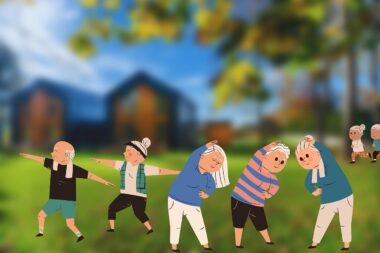
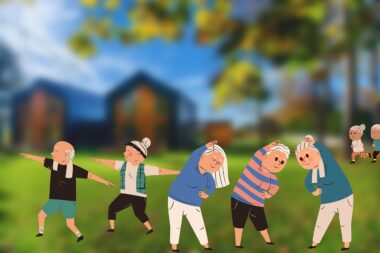
When it comes to bootcamp training for seniors, it’s crucial to understand their specific needs and limitations. Many seniors may have health conditions that affect their mobility, strength, and stamina. Therefore, tailoring workouts to accommodate these challenges ensures safety and accessibility. Listening to each individual’s capabilities is the foundation of a successful program. It’s also vital to foster a supportive environment where seniors feel encouraged to explore movement without fear. By providing modifications and alternatives, trainers can help each senior work within their comfort zone while still engaging their bodies effectively. Additionally, seniors should be encouraged to communicate openly about any discomfort or struggles they face during workouts. Flexibility in the training approach is key. Incorporating chair exercises, lower intensity options, and gradual progression enables seniors to see progress without overexerting themselves. Remember, patience and positivity go a long way in making these sessions enjoyable. Through understanding and tailored adjustments, trainers can promote both physical health and psychological well-being in seniors, creating lasting benefits that enhance their daily lives and overall health.
Essential Movement Modifications
Modifying traditional bootcamp movements is essential to create a safe and effective workout for seniors with limited mobility. For instance, standard squats can be transformed into seated versions to reduce strain on joints. One effective modification involves seniors sitting on sturdy chairs, performing leg extensions to build strength without risking balance. Another common exercise, push-ups, can be adapted by having seniors perform them against a wall instead of on the floor. Such variations maintain the same muscle engagement while ensuring safety. Instead of high-impact cardio, low-impact options like marching in place or using resistance bands offer similar benefits with less risk. Additionally, consider using props like stability balls or foam blocks to assist with balance during movements. Exercises can also be performed while seated, providing comfort and safety. Feedback is vital; trainers should ask for input on comfort levels and adjust accordingly. By prioritizing these modifications, trainers make sessions more inclusive, fostering a sense of satisfaction and accomplishment. Customized programs help seniors stay engaged, fit, and motivated, ultimately improving their quality of life.
Strengthening muscles is fundamental for seniors, and resistance training can be adapted well for those with limited mobility. Using light weights or resistance bands allows seniors to build strength gradually while focusing on proper form. For example, seated bicep curls performed with light weights or resistance bands promote upper body strength without putting undue stress on joints. Incorporating these exercises into routine training creates a foundation for mobility and stability. Always start with low resistance to match individual capabilities, encouraging seniors to listen to their bodies as they progress. As strength builds, gradual increase in resistance can be introduced. This step-by-step approach helps prevent injuries and discomfort. Moreover, ensuring frequent breaks and adequate hydration is essential during training sessions, especially as fatigue can affect overall performance. Mixing in enjoyable activities such as dancing or light stretching can add variety, encouraging seniors to stay active. Building a balanced program with resistance training not only enhances physical capabilities but also boosts confidence and independence in daily activities, allowing seniors to engage more fully with life around them.
Including Flexibility and Balance
Incorporating flexibility and balance work is crucial in bootcamp training for seniors. As people age, flexibility can decline, often leading to reduced mobility and potential injuries. Gentle stretching exercises can incorporate neck, shoulder, back, and leg stretches to promote overall flexibility. Slow yoga or Pilates sessions can also be very beneficial in this context. Not only do these stretches improve range of motion, but they also contribute to relaxation and stress relief, which is essential for mental health. Balance exercises are equally important; introducing simple activities like standing on one foot or using a balance board can greatly reduce the risk of falls. Trainers can create combinations of these exercises within the bootcamp format, ensuring a comprehensive approach to seniors’ fitness needs. Another option is to incorporate activities like Tai Chi, known for its gentle movements and balance benefits. By focusing on the balance and flexibility components of fitness, seniors gain confidence in their stability. This increased stability can greatly enhance their overall quality of life and allow for greater independence in daily activities.
Engaging seniors in group workouts fosters a sense of community and motivation. Creating a supportive environment encourages social interaction, which can improve mental health. Senior bootcamp sessions should be kept intimate, allowing for personal attention from instructors. Plan interactive activities like partner exercises that not only challenge senior participants but also enhance their social bonds. Cardio sessions can incorporate light dance movements or simple group games to lighten the mood while fostering camaraderie. Listening to positive music can enhance the workout experience, offering enjoyment that encourages participation. Additionally, celebrating achievements, no matter how small, builds confidence and reinforces commitment to the program. It’s essential for trainers to provide praise, helping to uplift morale and motivation. Regularly scheduled community events focused on health and fitness can elevate the culture of wellness among seniors, inviting family and friends to join in the activities. This transformation promotes a shared journey toward health, bridging generational gaps and inspiring various age cohorts. By emphasizing community in bootcamp training, seniors may experience enhanced motivation and commitment to their fitness goals.
Nutrition Considerations
Nutrition plays a significant role in any fitness program, and bootcamp training for seniors is no different. Proper nutrition ensures that seniors have the energy needed for their workouts while promoting recovery. Emphasizing a balanced diet rich in proteins, vitamins, and minerals aids in maintaining muscle mass and overall health. Encourage seniors to focus on whole foods like fruits, vegetables, whole grains, and lean proteins, while minimizing processed foods high in sugar and sodium. Meal planning can be an invaluable tool, helping seniors to prepare ahead of their fitness sessions. Additionally, hydration is crucial; seniors should aim to drink water before, during, and after workouts to avoid dehydration. Also, consider incorporating nutrition workshops into regular bootcamp sessions. These workshops can educate seniors about healthy eating patterns that complement their training regimen. Offering healthy snacks after workouts can reinforce positive habits while providing necessary nutrients for recovery. Trainers can assist seniors in realizing their dietary goals, ultimately improving their energy levels and exercise performance, leading to sustained engagement in bootcamp training.
As seniors engage in bootcamp training, monitoring progress is vital for both motivation and adjustments. Regular assessments can track improvements in strength, flexibility, and endurance. Simple testing exercises can reinforce seniors’ confidence as they see tangible results. Trainers can conduct individual discussions about performance, aiming to highlight milestones reached. It’s essential to foster a positive mindset towards these milestones, focusing on personal growth rather than comparison with others. Documenting progress with charts or journals adds a fun aspect, allowing seniors to visualize their journey. Additionally, trainers must be responsive to signs of fatigue or discomfort, adapting programs as needed to cater to changing abilities. Emphasis on enjoyment over competition aligns fitness with life quality enhancement. Celebrating achievements, whether large or small, creates a positive environment that encourages consistency. Organizing mini-challenges or friendly competitions offers extra motivation, enhancing community spirit during group workouts. These celebrations strengthen bonds among participants while promoting healthy competition. Ultimately, a focus on regular progress checks ensures engagement in bootcamp training while fostering improvement in overall fitness and mental well-being.