How AI is Revolutionizing Injury Recovery for Athletes
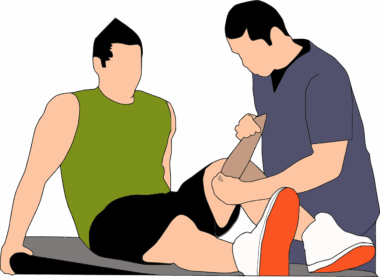
In the world of sports, athletes face various injuries that can hinder performance and even end careers. The integration of technology, particularly artificial intelligence (AI), is significantly enhancing injury recovery processes. With the utilization of predictive analytics, technology can identify at-risk athletes by analyzing training data, previous injuries, and overall health. This early detection allows for tailored preventative measures that optimize training regimens. Additionally, AI technologies are set to reshape physiotherapy methods by providing customizable rehabilitation plans anchored in precise data. These plans adapt in real-time according to an athlete’s recovery progress and data feedback. The traditional approach often falls short by being too general or slow to respond to individual needs. AI can analyze vast quantities of data quickly and with greater accuracy than human professionals. Furthermore, advanced wearables are playing an essential role in this paradigm shift. By continuously monitoring biomechanical data, these devices help flag unusual movements or exertion levels, which is invaluable in preventing further injury. This comprehensive approach underscores the importance of technology in fostering both recovery and performance enhancement for modern-day athletes.
The Role of Wearable Technology in Recovery
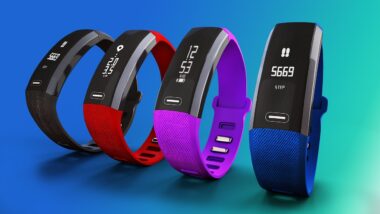
Wearable technology is dramatically shaping the landscape of sports analytics, particularly regarding injury prevention and recovery. Devices like smartwatches, fitness bands, and specialized gear collect real-time data on an athlete’s biometrics and performance metrics. This information plays a critical role in detecting patterns that could indicate an impending injury, allowing for timely intervention. Moreover, wearables can monitor heart rate, oxygen levels, and other vital signs during training, providing insights about the athlete’s physical state. Over time, this data contributes to building personalized training programs that reduce injury risk while enhancing performance. AI algorithms process these data streams, delivering actionable feedback that can lead to quicker recovery times. Importantly, the seamless integration of these wearables facilitates communication among coaches, trainers, and athletes, ensuring a cohesive approach to injury management. Furthermore, combining wearables with AI not only helps in identifying injuries more rapidly but also assists in creating adaptability within training schedules. As technology continues to advance, one can only envision how the intricacy of data analysis will further the capabilities of these devices within sports medicine.
A key component influencing recovery is the detailed analysis provided by AI-driven platforms. Utilizing machine learning, these platforms can synthesize individual athletic data and translate it into coherent recovery strategies tailored to each athlete. Such personalized strategies take into account the unique circumstances surrounding each injury, the athlete’s physiological characteristics, and recovery timelines. This degree of specificity is a game changer compared to traditional, one-size-fits-all rehabilitation protocols that often overlook individual differences. Machine learning allows for continuous refinement of recovery strategies based on ongoing recovery progress, thus adapting in real-time to changing conditions. This adaptability is paramount as it addresses injuries holistically, providing athletes with a clearer path back to peak performance. Moreover, ongoing feedback facilitates a collaborative environment where healthcare professionals can intervene more effectively. Injuries, while unforeseen, can be managed more efficiently with timely, data-informed decisions that stem from these advanced AI systems. This transition towards personalization represents a substantial leap forward for sports medicine, aligning recovery efforts with the evolving nature of modern athletics.
Data-Driven Decision Making in Injury Management
Data-driven decision making is emerging as a cornerstone in modern injury management within athletics. AI applications offer coaches and medical teams vital insights derived from an athlete’s historical and current data observations. This information empowers professionals to make informed choices on training loads, recovery periods, and rehabilitation protocols. For example, analyzing training intensity and player fatigue levels can highlight when to reduce workload further, aiding in injury prevention. Additionally, the automation of routine analysis saves valuable time, enabling medical staff to focus on direct care. AI’s predictive capabilities extend to evaluating the effectiveness of recovery strategies by tracking outcomes over time, thus fostering accountability in health management. Injury recovery is no longer a static process; it’s dynamic, data-informed, and constantly evolving. Leveraging technology creates a synergy between athlete performance and health insights, improving the overall safety of sports practices. As data analytics become more quintessential, their role in preventing injuries while enhancing athletic performance will only magnify, reinforcing the necessity for coaches and healthcare professionals to embrace technological advancements.
In summary, AI and technology are poised to redefine the future of injury recovery for athletes. The comprehensive capabilities of AI ensure that recovery is personalized, adaptable, and data-driven. This not only fosters quicker recoveries but also enhances safety in training regimens. The future of sports medicine appears bright, provided athletes and professionals fully leverage these advancements. Educational programs focusing on the integration of AI into traditional sports medicine are becoming essential. They provide training for practitioners, enabling them to harness data effectively in making timely decisions. Additionally, increased awareness of the benefits of these technologies among athletes can lead to increased acceptance and application. With personalized recovery plans becoming the norm, athletes can anticipate improved outcomes, ultimately helping to shape a new generation of high-performance training tailored to individual needs. Injury prevention strategies will continue to evolve alongside technological advancements, ensuring athletes not only recover but do so using thoroughly analyzed data. As AI becomes more prevalent, its impact on sports is anticipated to grow significantly, ushering in a new era of smarter, more effective injury recovery solutions.
The Future of AI in Sports Rehabilitation
As we project into the future of sports rehabilitation, the integration of AI technology promises to create groundbreaking advancements. Already, we see a growing trend towards virtual reality environments, which simulate real-life training scenarios for athletes during their recovery phase. These immersive experiences help them regain their confidence and skills in a controlled setting. Moreover, AI-driven analytics are expected to evolve, becoming more intuitive and user-friendly while producing more robust insights. Future developments may include enhanced collaboration tools, where data from multiple athletes can be aggregated to identify common injury trends across teams and sports. This collective approach will offer trainers and medical teams an opportunity to develop preventative measures informed by broad datasets. Additionally, AI could facilitate more proactive approaches by educating athletes on nutrition, psychological aspects, and overall well-being, creating a holistic framework supporting injury recovery and performance enhancement. As barriers between sports performance and healthcare continue to diminish, the seamless integration of AI within rehabilitation contexts will refocus priorities toward sustaining athlete longevity and quality of life.
In conclusion, AI is revolutionizing the way athletes experience recovery processes and injury prevention strategies. By employing advanced analytics and personalized approaches, technology is addressing the various challenges athletes face in their careers. The ongoing development of sophisticated AI applications ensures a more effective response to injuries, fostering better rehabilitation outcomes. Furthermore, the emphasis on wearable technology promises to enhance data collection while allowing for real-time adjustments to training and recovery protocols. The combination of machine learning and human expertise creates a powerful synergy that can efficiently tackle the complexities of athlete health management. As we continue to embrace these innovations, athletes and coaches must remain informed and adaptive to ensure that they capitalize on emerging technologies. Continuous education and experimentation within this evolving landscape will lead to improved performance and longevity in athletics. Ultimately, driving home the importance of technology in coaching and health management sets the stage for a future in which injuries can be prevented, and athletes can thrive post-recovery. Fostering this mindset will be key in navigating the next era of sports science.