
The Best Warm-up and Cool-down Practices for Strength Training
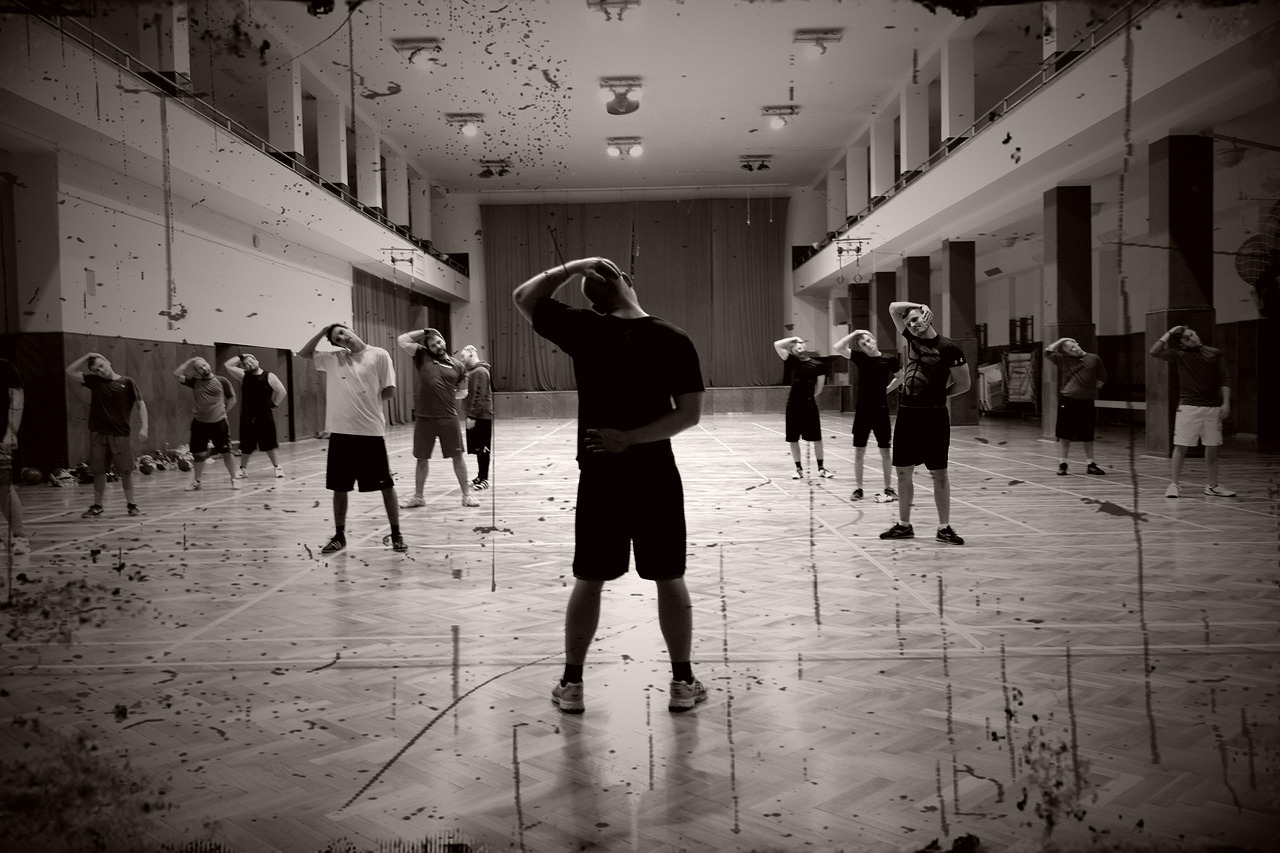
Effective warm-up and cool-down practices are vital for anyone engaged in strength training. They help in preventing injuries, improve mobility, and enhance performance. A warm-up session typically starts with light aerobic exercise, such as brisk walking or cycling for about 5 to 10 minutes. This increases the heart rate and prepares the muscles for more intense activities. Stretching is equally important during the warm-up; dynamic stretches like leg swings and arm circles are highly effective. They ensure that muscles are well-engaged without leading to overstretching, which might cause injuries. The overall focus should be on gradually preparing the muscles, tendons, and joints for the strength exercises to follow. Similarly, cool-down practices help in recovering post-exercise when the body is cooling down. Static stretching is commonly recommended, allowing the body to relax and maintain flexibility. Individuals should hold stretches for at least 15 to 30 seconds, focusing on major muscle groups used during strength training. Listen to your body during these phases. Recognizing signs of discomfort early on can save you from potential injuries.
Importance of Dynamic Stretching
Dynamic stretching should be a crucial part of your warm-up routine for strength training. It helps prepare your muscles and joints for the rigorous exercises ahead, promoting blood flow and enhancing range of motion. Unlike static stretches, dynamic stretches involve movement, making them ideal for active preparation. Examples include leg swings, walking lunges, and high knees. These exercises mimic the movements performed in strength training, activating the muscles required during the session. Research shows that athletes who incorporate dynamic stretches report better performance and reduced injury risks. It’s crucial to prioritize muscle groups that will be engaged in your workout. For instance, if you are concentrating on lower body strength, focus on dynamic stretches involving your legs and hips. Additionally, pay attention to the balance and control of your movement during these stretches. Good balance can significantly improve your overall performance. Incorporating dynamic stretches ensures that your workout regime is not only efficient but also safe. As you practice, gradually increase the intensity of your dynamic stretches. This method will optimize your results and support a consistent routine.
The cool-down phase after intense strength training is an essential component that should not be overlooked. Many people often rush through their workouts, skipping this phase. However, a proper cool-down can help in reducing muscle soreness, improving flexibility, and restoring the heart rate gradually. It typically involves light aerobic exercises that allow the body to transition from high-intensity activity to rest. Walking or gentle cycling can be effective during this phase, followed by static stretching. Target areas that have been heavily engaged during your workout, ensuring that each stretch is held for an adequate duration of 15 to 30 seconds. Post-training muscle tightness can be alleviated, which is critical after strength workouts. Furthermore, cool-downs assist in preventing after-exercise dizziness or fainting by normalizing blood circulation. Ignoring the cool-down can lead to stiffness and compromise mobility in the following days. Participants in strength training should understand that a good cool-down routine can improve their flexibility. This commitment to comprehensive training practices ultimately contributes to better performance and a more enjoyable fitness experience.
Incorporating Foam Rolling Techniques
Foam rolling is a great addition to both the warm-up and cool-down phases in strength training routines. This self-myofascial release technique significantly enhances muscle recovery and reduces tightness. Before your workout, foam rolling can prepare your muscles by breaking down knots and improving blood circulation. During your cool-down, it helps in flushing out metabolic waste products accumulated during the training session. Focus on major muscle groups like quadriceps, hamstrings, and back while using a foam roller. Maintain the pressure on areas that feel particularly tight or sore for about 20 to 30 seconds. The idea is to gradually release tension. It’s crucial to approach foam rolling with intention and focus on breathing, which will help in achieving better results. Consider using different foam roller densities based on your comfort level and ensure that you’re not experiencing pain as you roll. Incorporating foam rolling into your routine can aid in faster recovery, making it easier to reach your strength training goals. Consistency in using foam rollers can lead to enhanced mobility and overall muscle health.
Listening to your body is an integral aspect of warm-up and cool-down practices. Each individual’s body responds differently to physical activity, so personalizing these routines is vital. If you feel tightness or discomfort in certain muscle groups, spend additional time warming them up or incorporate more stretches in the cool-down. This attentiveness to bodily signals improves overall workout efficiency and prevents unnecessary injuries. It’s important to recognize different signs your body might exhibit, such as muscle fatigue or stiffness. When engaged in strength training, modifying your warm-up and cool-down routines according to your current state can lead to better performance and satisfaction. Ultimately, flexibility in your approach minimizes the risk of overtraining or burnout. Regular evaluation of how each workout affects your body can refine your training practices. Maintaining effective communication with your body can make a tremendous difference in achieving your desired goals. Remember to be proactive in assessing your needs and accommodating them in your training regimen. This attention to detail will lead to an enhanced strength training experience, keeping you motivated.
Creating an Optimal Routine
Designing an optimal warm-up and cool-down routine requires careful planning and consideration of your specific strength training goals. Start by evaluating your fitness level and identify any areas of particular concern such as tight muscles or previous injuries. A well-rounded routine will combine dynamic stretches, light cardio, and foam rolling to maximize effectiveness during the warm-up. Meanwhile, involve static stretches and focused foam rolling to aid recovery during the cool-down. You might want to tailor your warm-up to include variations based on the type of strength workout planned. For instance, focus additional time on upper body dynamic movements before a push day. Likewise, customize your cool-down according to the major muscles engaged in the workout. Track your warm-up and cool-down routine in a journal, noting the results of each session. This habit provides insights into what works best for your body, empowering you to make necessary adjustments over time. The importance of consistency to establish a solid routine cannot be overemphasized. With commitment, you’ll refine both your warm-up and cool-down practices, vastly improving your strength training outcomes.
In conclusion, implementing effective warm-up and cool-down practices in your strength training routine is essential for achieving optimal performance and preventing injuries. By warming up properly, you prepare your body to withstand the rigorous demands of strength workouts. Additionally, incorporating techniques such as dynamic stretching, foam rolling, and targeted static stretches can greatly enhance your physical capabilities. Equally important is the cool-down phase, as it significantly aids in muscle recovery and flexibility. Slowly transitioning the body back to resting states aids in maintaining overall health. Listening to your body enables you to customize these routines, ensuring your approach effectively addresses your unique needs. Creating a structured routine tailored to your fitness goals and adjustments based on prior experiences will be tremendously beneficial. Remember, achieving your strength training objectives is not a sprint but a marathon. Commitment to both the warm-up and cool-down phases will support you in your fitness journey. Lastly, ongoing evaluation of your body’s response will empower you to cultivate resilience and adaptability as part of your strength training regime.