Breathing Patterns in Swimming: Stroke-by-Stroke Guide
When it comes to mastering swimming strokes, understanding the various breathing patterns is crucial. Each stroke has specific techniques that significantly impact performance and efficiency in the water. For example, the freestyle stroke requires rhythmic breathing, allowing swimmers to maintain a smooth body position. The importance of proper breathing techniques cannot be overstated, as they help optimize oxygen intake, essential for stamina and endurance. Swimmers should strive to create a continuous breathing cycle that complements their stroke rhythm. This guide will explore the various breathing patterns associated with different strokes, providing insights for both beginners and experienced swimmers. Effective breathing in swimming not only enhances performance but also reduces fatigue during practice and competition. Swimmers should focus on inhaling quickly and exhaling underwater to minimize disruption to their stroke flow. Consistent practice and adherence to these techniques can lead to noticeable improvements in speed and technique. Consequently, mastering breathing patterns is an essential skill that every swimmer must develop while training. Understanding these fundamentals forms the foundation for successful swimming across all competition levels.
Freestyle Breathing Techniques
In freestyle swimming, the ability to breathe effectively can make the difference between a strong and mediocre performance. Swimmers typically turn their heads to the side to inhale, ensuring minimal disruption to their stroke. Timing plays a key role in freestyle breathing; therefore, it is vital to synchronize breathing with arm movements. Swimmers should practice breathing every three strokes, which promotes bilateral breathing, balancing strength and technique. An essential aspect of freestyle breathing is to ensure that the swimmer exhales fully underwater before taking a breath. This process facilitates quick inhalation and helps maintain a fluid glide through the water. It is advisable for swimmers to keep their head low and aligned with their body during strokes. Furthermore, maintaining a relaxed and efficient head turn reduces drag and keeps momentum. Swimmers can also benefit from practicing in drills that emphasize breathing; for instance, the single-arm freestyle drill can help hone breathing techniques. With adequate focus, swimmers can enhance their comfort with breathing and create a streamlined stroke, leading to improved performance. Building these skills through deliberate practice will pave the way for more competition-ready swimmers.
The backstroke is a unique stroke, allowing swimmers to breathe freely while floating on their backs. However, many swimmers fail to take full advantage of this characteristic. Maintaining a relaxed breathing pattern is essential, as it promotes an efficient swim and minimizes energy expenditure. Swimmers should focus on a natural breathing rhythm, inhaling when their arms are out of the water and exhaling when the arms are submerged. To optimize backstroke performance, it’s vital to keep the head neutral and avoid excessive movement. This position prevents drag and helps maintain speed while swimming. Many swimmers benefit from doing drills like ‘backstroke with breaststroke arms,’ which emphasize the importance of breathing in a comfortable manner. Additionally, while practicing, swimmers can monitor their breathing rates and strategies to find what’s most effective for them. Concentrating on maintaining a steady kick is also crucial, as this will aid in reducing turbulence caused by excessive body movement. In terms of racing, competitive backstroke swimmers aim to have a seamless breathing pattern, ensuring they spend as little time lifting their heads as possible. Using these tips can enhance speed and efficiency in the water.
Breathing in Breaststroke
Breaststroke requires a unique approach to breathing, distinct from freestyle and backstroke. A swimmer must time their breath with the pull phase of the stroke, inhaling when the arms are drawn back, not disrupting the body’s streamlined position. Exhaling underwater is crucial for maintaining efficiency. As the arms extend to the front, the swimmer lowers their head to inhale quickly before submerging again. This not only provides essential oxygen but also helps keep the head low for effective gliding. Swimmers often allow for a brief pause during this phase, creating potential energy for the next stroke. Practicing the timing of breath with dedicated drills brings significant benefits. For example, swimming breaststroke with a focus on synchronizing breathing and arm movements can develop muscle memory. Many swimmers will find that using resistance tools, like swim paddles, enhances strength during this coordination process. Furthermore, a swimmer should aim to breathe only when necessary to maintain the stroke’s rhythm and momentum. With consistent training and dedication, swimmers can effectively master their breaststroke breathing and achieve better overall race performance. Over time, coordination between breath and stroke will naturally improve.
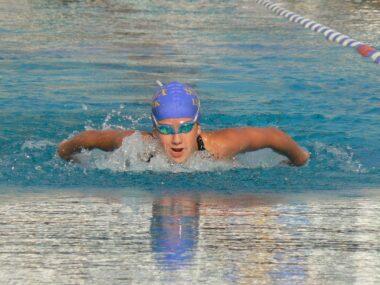
The butterfly stroke is often considered one of the most challenging due to its demanding technique and unique breathing patterns. Swimmers must time their breaths perfectly as they glide through the water. Typically, swimmers will inhale when their arms are out of the water during the recovery phase, which is crucial for maintaining momentum. Athletes often utilize a quick, efficient breath, ensuring they smoothly return to the water with minimal resistance. For effective butterfly breathing, swimmers will need to cultivate strong core muscles, which allow for better body control during the motion. It is advisable to practice drills that help balance the stroke’s coordinated arm and leg movements while focusing on rhythm and timing. Different techniques can be employed, such as the two kicks, one breath approach, allowing for sufficient oxygen without disrupting the stroke flow. Additionally, swimmers must strive to keep their head low to maintain streamlined form, reducing the water’s resistance. Implementing specific butterfly drills will help learners become comfortable with their breath timing, ultimately elevating their overall performance in competitive swimming events.
Race Day Breathing Strategies
On race day, swimmers should adopt specific breathing strategies to maximize performance under pressure. First, it’s essential to maintain calm and focused breathing to counteract anxiety. Swimmers can practice visualization techniques that include imagining their smooth breathing patterns during their stroke cycles. Prior to the race, incorporating warm-up exercises that mimic race conditions can further enhance confidence and readiness. During the race, careful attention to the timing of breaths is vital; for instance, ensuring that inhalation occurs as the arms enter the water can decrease drag while maintaining rhythm. Swimmers should aim to keep a consistent breathing length throughout the event, which can aid in maintaining stamina. Additionally, focusing on maintaining a high stroke rate while ensuring deep breaths helps conserve energy for the race’s duration. Lastly, strategic pacing during specific race sections can dictate breathing intervals, allowing for re-energizing breaths when needed. This proactive strategy minimizes fatigue, enabling swimmers to finish strong. By understanding and executing these breathing strategies, swimmers can perform at their peak on race days while enhancing their overall efficiency and effectiveness in the water.
In conclusion, mastering breathing patterns across different swimming strokes is essential for optimal performance. Each stroke—freestyle, backstroke, breaststroke, and butterfly—presents its unique breathing techniques and timing considerations. Swimmers can improve their skills with deliberate practice and drills tailored to each stroke’s demands. Understanding how to integrate breath with stroke rhythm not only promotes efficiency but also boosts endurance. Efficient breathing patterns significantly reduce fatigue, allowing swimmers to perform better during training and competition. Additionally, preparing properly for races, understanding the importance of mindset, and focusing on breathing strategies can enhance overall performance. Each swimmer will find their unique comfort level and breathing style, which may vary according to individual preferences and goals. Ultimately, mastering these techniques requires time and focused training but pays off in improved speed and technique. By applying the above insights and practicing effectively, swimmers can refine their skills and become more competitive, regardless of their experience level. Continuous dedication to improving one’s technique in swimming and breathing practices will yield positive results, paving the way for future success in the sport.