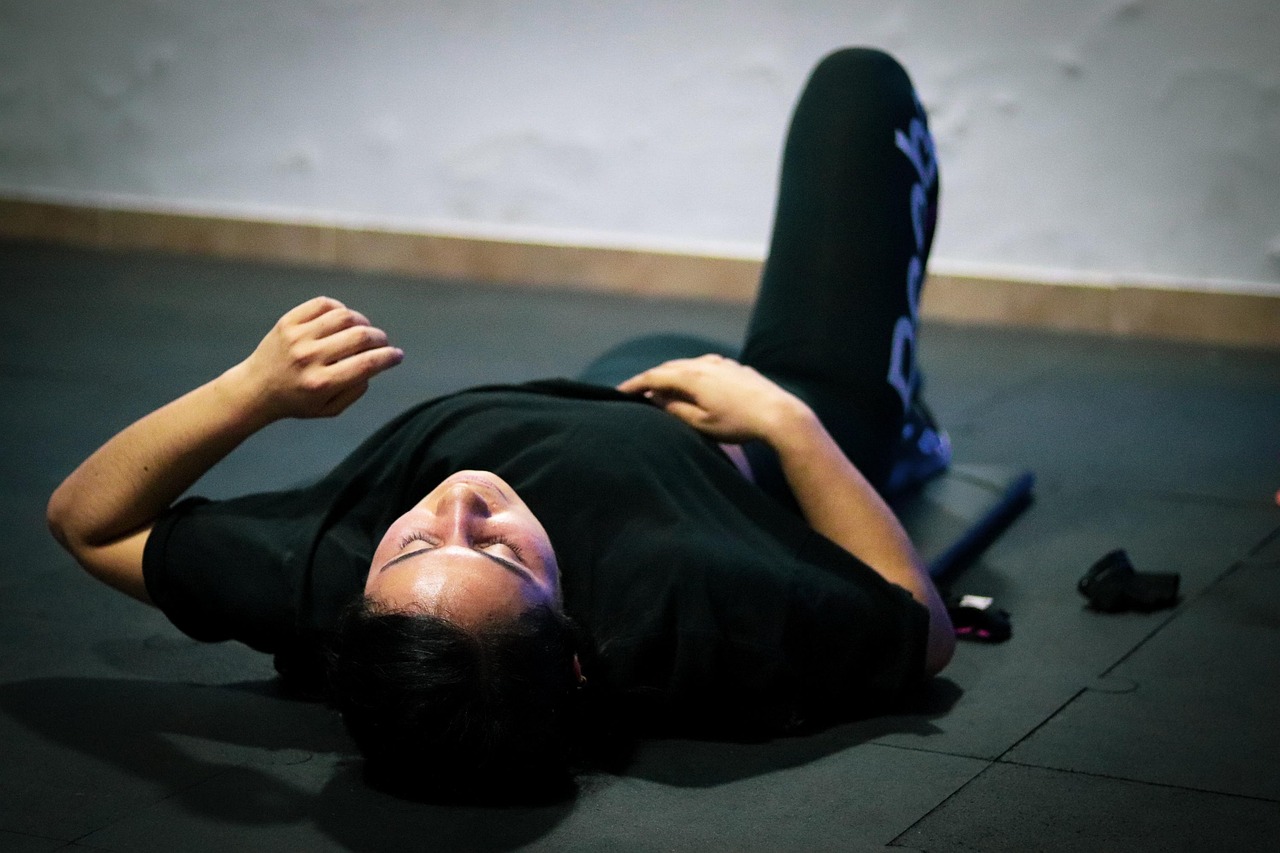

Core Stability Defined
Core stability is a fundamental trait that supports athletic performance across various sports. Strong core muscles, which include the abdominals, obliques, and lower back, play a crucial role in maintaining balance and stability. During high-intensity movements, such as sprinting or jumping, the core acts as a shield, offering protection to the spine and facilitating the transfer of power to the limbs. Moreover, a stable core enhances proprioception, allowing athletes to make quick adjustments during performance. As a result, trainers increasingly prioritize core stability exercises in functional training programs to improve overall sport-specific competencies. Engaging in smart core workouts creates better muscle coordination and enhances agility, giving athletes an edge over their competitors. Traditional exercises like planks or medicine ball workouts can be integrated into athlete training regimes to maximize their effectiveness. It’s important to understand core stability goes beyond just core exercises; it integrates the whole kinetic chain, which is essential for injury prevention. Athletes focusing on enhancing core stability typically experience a noticeable improvement in their performance metrics. Such advancements lead to better endurance and increased efficiency during competitions.
Performance Benefits of Core Strength
The impact of core strength on sports performance is significant, and athletes benefit immensely from proper core conditioning. A strong core improves athletes’ overall body control, leading to enhanced movement efficiency. This increased efficiency results in better energy utilization during sports activities. Core strength also aids in producing explosive movements, crucial for activities requiring sudden power output, like sprinting or throwing. Sports like basketball, soccer, and gymnastics demand effective core engagement throughout their diverse skill sets. By integrating core-specific workouts, athletes can boost their shot accuracy and dribble control while minimizing the risk of injuries. Effective training should encompass both static and dynamic core stability exercises to ensure comprehensive development. Stability ball exercises, rotational movements, and cable movements are essential components when designed to train various core muscle groups. Furthermore, athletes who prioritize their core stability demonstrate improved balance, which is vital for sports demanding quick lateral movements and agility. With enhancing core stability, athletes can achieve greater speed and accuracy while simultaneously decreasing the likelihood of strains and sprains. Hence, a stable core contributes significantly to athletes’ confidence in their physical abilities and performance potential.
Injury Prevention Through Core Stability
Core stability plays a crucial role in preventing injuries during athletic activities. When athletes possess a strong core, their body mechanics improve, allowing safe and efficient movement patterns. Weak core muscles often lead to compensatory movements that place undue stress on joints and muscles, increasing injury risk. Athletes with poor core stability may experience lower back pain, hip injuries, or even knee problems, which can jeopardize their performance and longevity in sports. Targeted core training enhances both muscular strength and endurance, offering better stability during gameplay. Strengthening core muscles creates a reliable foundation for movement, creating resilience against fatigue-induced injuries later in activities. Athletes can engage in exercises like plank variations or stability ball workouts to effectively develop core resilience and improve functional strength. Furthermore, emphasizing proper form and integrating core drills into warm-up routines can significantly lower injuries’ likelihood. When athletes commit to improving core stability as part of their training regimens, they not only enhance performance parameters but also invest in long-term health. Healthier athletes can maintain better training schedules and actively participate in competitions, elevating overall performance levels in their respective sports.
Functional Training Techniques for Core
Functional training encompasses exercises that mimic sports-specific movements, enhancing the connection between core stability and athletic performance. This training style focuses on engaging multiple muscle groups and creating fluid motions that translate directly to sport-related tasks. Key techniques in functional core training include rotational exercises, anti-rotation movements, and balance-enhancing drills. Activities like medicine ball throws and cable rotations effectively strengthen the core in ways that promote real-life athletic situations. Incorporating plyometric exercises that involve explosive movements also encourages a strong core engagement, enhancing the transfer of force during sports activities. Additionally, integrating varied training equipment such as balance boards and stability balls can further challenge core stability. These unconventional training methods compel athletes to maintain stability under dynamic conditions, reflecting the unpredictability encountered in sports scenarios. As athletes experience this functional training, they develop sharper reflexes and better spatial awareness, leading to improved performance outcomes. Evaluating progress using performance metrics helps athletes gauge the effectiveness of their functional training routine. Core strength not only reinforces the foundation needed for various skills but also fosters enhanced sports intelligence in athletes, contributing to their overall competitive edge.
Evaluating Core Stability
Assessing core stability and strength is crucial to developing an effective training regimen for sports performance. Various tests can gauge an athlete’s core strength, including the Plank Test, Side Plank Test, and functional movement screenings. These evaluation methods provide insights into core endurance, coordination, and overall stability under physical stress. Tracking progress through consistent testing enables athletes to identify strengths and weaknesses in their core capabilities. Once athletes establish a clear baseline, they can tailor training programs, targeting individual needs. This personalized approach maximizes training effectiveness and ultimately leads to better performance outcomes. Furthermore, working closely with coaches and sports professionals can ensure that athletes receive the feedback necessary to progress. Coaches can recommend modifications or alternative exercises when athletes struggle with particular movements during evaluation. Emphasizing proper form and technique while performing core exercises will ensure athletes avoid injuries. Evaluating core stability should be a continuous process, as improvements in strength can significantly influence overall athletic performance. Athletes should regularly engage in assessments, fostering an open mindset towards feedback and adaptation in their training strategies.
Nutrition’s Role in Core Stability
Nutrition plays a fundamental role in enhancing core stability and overall athletic performance. A well-balanced diet that supports muscle recovery and growth is essential for athletes focusing on core training. Consuming sufficient protein helps repair muscle tissues and maintain strength levels. Nutrients such as carbohydrates are crucial for providing the energy needed during intense workouts, while healthy fats support overall joint health. Furthermore, hydration must not be overlooked, as fluids are critical for optimal muscle function and performance. A nutritious diet contributes significantly to the development and maintenance of lean muscle mass, vital for supporting core stability. Additionally, vitamins and minerals, such as calcium and magnesium, promote effective muscle contraction and function. Coaches should emphasize the importance of proper nutrition as part of athlete training regimens, encouraging a focus on whole food sources rather than relying solely on supplements. Incorporating diverse food options that provide various nutrients will aid athletes in achieving their performance goals. Ultimately, optimizing nutrition will positively impact an athlete’s ability to improve core strength and stability while driving higher levels of sports performance.
The Future of Core Training
As sports continue to evolve, so does the approach to core training. The integration of technology in sports training provides opportunities for enhancing core stability training. Coaches and trainers now employ wearable devices and tracking applications to monitor athletes’ performance in real-time. This technology can provide valuable insights and feedback on movement patterns, core engagement, and overall biomechanics. Such information allows for more personalized training solutions, optimizing athletes’ core workouts to achieve greater efficiency and effectiveness. Furthermore, collaborative research between sports scientists and trainers continues to explore innovative training methodologies that stimulate core muscle engagement. As new techniques emerge, standard drills may evolve, creating novel approaches to functional training. Gyms and training facilities are also incorporating advanced tools such as vibration platforms and TRX suspension systems, emphasizing innovative training environments. Access to competitive research in core stability training and technology will lead to enhanced performance levels across a wider range of sports. As athletes prioritize core strength in their training, they will likely witness significant improvements in performance dynamics and overall skills.