Dealing with Diastasis Recti: Exercises and Tips
Diastasis recti is a common condition that affects many women during and after pregnancy. This occurs when the abdominal muscles separate, creating a gap in the midline. This separation can result in a protruding belly and may lead to a weakened core, affecting overall fitness and stability. It’s essential to understand how to manage and improve this condition through targeted exercises. By performing specific movements, individuals can strengthen their core muscles, improve pelvic floor health, and regain abdominal strength effectively. Consulting a healthcare professional can provide tailored advice and help you understand which exercises are appropriate for your situation. Remember, every body responds differently to exercise post-pregnancy. Maintaining a gentle approach at the start, while gradually increasing the intensity, is crucial for preventing injury. Incorporating a mix of strength training, stretching, and functional movements can aid in recovery. Moreover, nutrition plays a vital role in supporting healing and overall wellness. Focused nutrition can aid in the recovery process and enhance your ability to return to pre-pregnancy fitness levels.
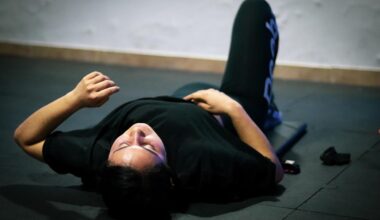
The first steps towards healing diastasis recti involve a series of gentle exercises designed to close the gap between the abdominal muscles. Start with abdominal breathing exercises, which encourage engagement of the deep core muscles. These exercises focus on gentle contractions, allowing the core to activate without placing undue stress on the body. Gradually progress to pelvic tilts and modified planks, which help in strengthening the core while protecting the abdomen. Engaging in activities such as pelvic floor exercises can also enhance core stability and improve posture. Always listen to your body; pain should not be part of the process. Joining a postpartum fitness class can provide both guidance and encouragement during recovery. If you’re uncertain about a specific exercise, consider consulting a physical therapist specializing in postpartum rehabilitation. They can help develop a personalized plan for your progress. Remember, every small step counts; consistency is key. Focus on integrating these exercises into your routine at least three times a week for optimal results. Celebrate your achievements along the way, even the small ones, as you work towards your postpartum fitness goals.
Listening to Your Body
One essential aspect of dealing with diastasis recti is learning to listen to your body. It is important not to rush the healing process; postpartum recovery can vary greatly among women. Pay attention to any discomfort or pain that arises during exercises. If certain movements exacerbate your symptoms, modify them or avoid them altogether. Consult a healthcare professional or a postpartum fitness expert before beginning any exercise program. They can provide insight into what is safe and effective for your unique situation. Incorporating mindfulness and body awareness practices, such as yoga or Pilates, can enhance your ability to tune into your body. These practices not only promote healing but also offer many mental benefits. Building mental resilience is as important as physical recovery. Maintain a journal to track your feelings and physical progress; this can help you stay motivated throughout your journey. Remember, recovery from diastasis recti is not just about exercising but also nurturing your mental and emotional well-being during this transformative period.
A supportive community can also make a significant difference in your postpartum journey. Consider joining online forums or local support groups focused on postpartum fitness and wellness. Sharing experiences, challenges, and successes with others who understand your situation can provide encouragement and motivation. These groups often have valuable resources, including tips for effective diastasis recti exercises and nutritional advice that can aid recovery. You might find a workout partner who shares the same goals and can motivate you to stay committed. Besides the social aspect, being part of a community can elevate your overall well-being, fostering camaraderie and mutual support. Many women find that group workouts or classes designed specifically for postpartum recovery provide not just physical benefits but also valuable social connections. Remember that it’s important to find an approach that helps you feel comfortable and supported. Whether it be in-person groups or online communities, creating connections can significantly enhance your postpartum experience. This supportive network is invaluable when navigating life with a newborn.
Nutrition and Healing
Nutritional choices play a crucial role in recovery as well. A balanced diet can support your body’s healing processes, supplying essential nutrients to promote recovery. Focus on incorporating lean proteins, whole grains, healthy fats, and plenty of fruits and vegetables into your meals. Staying hydrated is paramount; water aids in digestion and overall bodily functions, including muscle recovery. Consider foods rich in fiber to help with digestion, especially if you’re navigating post-pregnancy changes. Supplementing with vitamins and minerals may also provide additional support, but it’s wise to do this under the guidance of a healthcare professional. Many women find it helpful to meal-prep during the initial stages of postpartum recovery. Doing so can streamline mealtime, making it easier to stick to healthy choices. Don’t underestimate the impact of proper nutrition; it can significantly affect your energy levels and mood, making your postpartum fitness journey more manageable. Eating well, combined with gentle exercises, can accelerate your healing and empower you to regain your strength and confidence.
As you progress in your postpartum fitness journey, it is important to set realistic and attainable goals. Start by acknowledging where you are in your recovery process and visualize where you want to be. Setting small milestones can provide a sense of achievement that keeps you motivated. Focus on building core stability and strength while remaining gentle with your approach. Establish a consistent routine that allows you to gradually introduce more challenging exercises as you gain strength. Adjusting your goals as your body changes is a natural part of the process. Consider tracking your progress through fitness apps, journals, or community support to visualize your achievements and stay inspired. This can also help you identify what works best for you and what areas might need more attention. Create a flexible schedule that aligns with your lifestyle and parenting duties, as adapting to motherhood alongside fitness can often be a balancing act. Celebrate your effort and progress regularly; each step in this journey is a testament to your hard work and determination.
Consulting a Professional
Finally, seeking professional guidance can significantly enhance your recovery. A specialized physical therapist or personal trainer with experience in postpartum fitness can provide personalized recommendations tailored to your needs. They can assess the severity of your diastasis recti and guide you through safe, effective exercises. It is crucial to work with someone who understands the nuances of postpartum recovery, as standard exercise programs may not be suitable. They can help correct any improper movements that might hinder your progress or worsen your condition. Additionally, participating in specialized classes can expose you to an array of exercises that promote healing without adversely affecting your body. Online resources, fitness videos, and workshops are also great options to explore as long as they come from reputable sources. Remember, investing in your health during this period is valuable, and prioritizing postpartum healing is essential for a long-term positive outlook. With the right support and information, regaining the strength and flexibility you desire is within reach.
In conclusion, addressing diastasis recti requires a multifaceted approach that incorporates exercise, nutrition, social support, and professional guidance. Understanding this condition and embracing a compassionate approach towards your body is crucial for recovery. Remember that every woman’s experience is unique, and your journey may take time. By being patient and consistent, you can work towards strengthening your core and improving overall wellness. Engaging in exercises tailored to your needs, prioritizing proper nutrition, and surrounding yourself with supportive communities can significantly enhance your postpartum recovery. Most importantly, listen to your body and respect its limits as you navigate this transformative chapter of life. Gradually increase the intensity of your workouts while focusing on achieving stability and strength first. Celebrate your progress, no matter how small, and cherish the journey of regaining your strength. Lastly, keep in mind that personal fulfillment and joy in the process are equally important as reaching physical milestones. You are not solely defined by a gap in your abs; embrace your body and all its capabilities during this healing period.