Innovations in Running Gear for Triathlon Training in 2024
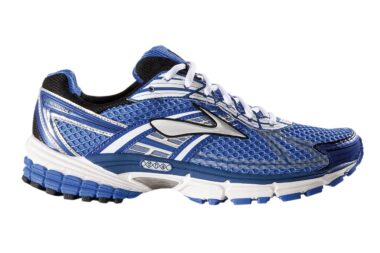
As triathletes gear up for the 2024 racing season, innovation in running gear is paramount. Recent advancements have led to equipment that enhances performance, comfort, and durability. Whether training for a sprint or an ironman, superior running gear can make a significant difference. With increasing technology, products cater specifically to the unique needs of triathletes, seamlessly integrating with swimming and cycling sectors. Key players in the industry are focusing on lighter materials and aerodynamics. Focus now shifts to the footwear that triathletes depend on. Performance running shoes are evolving to include moisture-wicking fabrics and improved breathability, thus helping to regulate temperature even in warm conditions. Additionally, cushioning technology is continually advancing. Optimal cushioning allows athletes to avoid strain during extensive training sessions or competitions. Brands are increasingly utilizing 3D printing for customized insoles that provide support tailored to an individual’s foot structure. Prioritizing comfort with seamless footwear can impact performance by reducing friction. The overlay of smart technology is visible in many accessories, including heart rate monitors and fitness trackers that integrate with running shoes, creating a complete training package for athletes.
Smart Technology in Running Gear
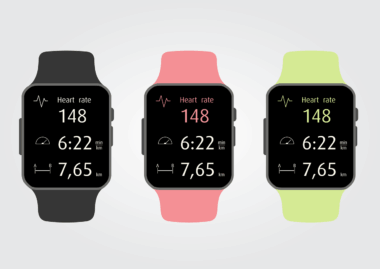
In 2024, the intersection of smart technology and running gear is gaining momentum. Athletes can now benefit from items embedded with advanced sensors and tracking capabilities. Smart shoes, for example, leverage data analytics to provide real-time feedback on running form and efficiency. Users can connect their shoes to mobile apps, enabling detailed performance tracking. This integration allows triathletes to monitor vital metrics such as foot strike and pace information during runs, enhancing training effectiveness. Furthermore, connected running gear often offers recovery insights, making it easier for athletes to manage their training loads. Wearable technology is increasingly becoming indispensable in triathlon preparations. Smartwatches and fitness bands are crucial for tracking heart rates, calorie expenditures, and overall performance. Brands are striving to make these technologies more user-friendly, ensuring that athletes can effortlessly access their performance data. As features improve, athletes are likely to become better informed about their training needs. With data at their fingertips, they can make informed decisions that directly impact performance. The future of running gear focuses on not just enhancing performance but also ensuring an overall better training experience for athletes.
Performing well in a triathlon requires not only effort but also suitable clothing. In the realm of running gear, new innovations prioritize aerodynamics and comfort. Many triathletes are now opting for tri-suits that reduce wind resistance while allowing maximum mobility. These suits are made from lightweight, quick-drying materials that optimize performance across swimming, cycling, and running segments. Moreover, an increasing number are designed with UV protection, shielding athletes during long outdoor training sessions. Ventilation is another essential feature being embraced in newer designs. Innovative mesh panels improve air circulation, helping to regulate body temperature. Additionally, bonafide racing socks are emerging, integrating compression technology to enhance blood flow, which can drastically improve endurance. Athletes understand the importance of minimizing chafing, which has prompted brands to create seamless constructions and moisture-wicking fabrics. As comfort becomes a priority, many runners now prefer synthetic blends that dry quickly. Overall, today’s innovations reflect a growing understanding of the unique challenges faced by triathletes. The combination of advanced materials and design considerations contributes to better experiences on race day.
Hydration Solutions for Runners
Hydration is critical for any athlete, especially during rigorous training. In 2024, hydration gear has evolved, recognizing the distinct needs of triathletes. New products are designed for optimal accessibility without hindering performance. Hydration vests and belts now feature compact pockets that minimize bounce while providing easy access to water bottles or electrolyte gels. Some belts incorporate integrated hydration bladders that make sipping easier while on the go. Meanwhile, handheld water bottles have grown in popularity; these lightweight options prevent athletes from carrying excess bulk. Recent advances in insulation keep fluids cold for extended periods, ensuring refreshment throughout runs. Additionally, rehydration strategies are becoming sophisticated, with brands offering smart hydration solutions. Certain accessories now include hydration tracking, alerting users when they need to replenish fluids based on exertion levels. This data-driven approach emphasizes not just hydration quantity but quality, ensuring athletes are consuming optimal nutrients at the right time. Overall, the innovations in hydration gear represent a holistic view of triathlon training. As awareness of hydration’s importance grows, so does the focus on creating solutions that seamlessly enhance performance.
Running socks are often an overlooked piece of running gear, but 2024 brings innovations that prioritize comfort and performance. Recent developments include specialized fabrics that wick moisture away, designed to prevent blisters and maintain dry feet during training sessions or races. Compression socks are increasingly favored, given their ability to enhance blood circulation, thus aiding recovery. Triathletes appreciate socks that not only perform well but also add comfort while wearing shoes for extended periods. Additionally, seamless construction improves fit by reducing friction points. Narrower cuffs help keep the socks securely in place, eliminating the need for constant adjustments during races. Some brands are also experimenting with varying materials that combine stretchability with support. Increased focus on durability and quick-drying properties enhances the lifespan of these essential accessories. In an ever-competitive triathlon landscape, the significance of running socks should not go unnoticed. The evolution of sock technology reflects a larger trend in recognizing the importance of every piece of gear. As innovation continues, this often-underestimated piece of gear is positioned to make a real impact on an athlete’s overall performance and experience.
Future Trends in Running Gear
Looking ahead, the future of running gear is shaped by sustainability and eco-innovation. As athletes become more environmentally conscious, brands are responding by introducing products crafted from recycled materials. The push to reduce plastic waste extends to footwear with shoes made from ocean plastics or biodegradable materials. Triathletes are increasingly seeking gear that aligns with their values, showing preference for sustainable options that reduce their ecological footprint. Additionally, companies are investing in research to develop more eco-friendly manufacturing processes. Transparency regarding production methods and sourcing is becoming vital, building trust with consumers. Another trend involves personalized gear sales, utilizing advanced technologies to create products tailored to individual needs. This trend reflects a larger shift toward customization, where athletes may gain access to tailored designs and sizes specific to their body types and preferences. Furthermore, smart textiles are anticipated to grow in popularity, offering performance benefits along with adaptability based on conditions. As the running gear landscape evolves, prioritizing eco-conscious practices and responsive technologies indicates a significant journey ahead for triathletes, fundamentally shaping their training and experiences.
In conclusion, the innovations shaping running gear for triathlon training in 2024 represent a remarkable transformation. As technology evolves, it meets the ever-changing demands of athletes striving for superior performance. From smart footwear that provides real-time data to enhanced hydration solutions and sustainable materials, every aspect is being optimized. Triathletes are increasingly investing in gear that not only supports their performance but also aligns with their values. Comfort and performance go hand in hand, reflected in the frictionless designs and moisture-wicking fabrics of the latest clothing. The emphasis on detailed metrics supported by smart technology has provided athletes with insights they never had before. Looking forward, the commitment to sustainability will redefine the market, ensuring that athletes can train and compete with a clear conscience. As the lines continue to blur between technology and performance, innovations in running gear will certainly bolster the potential for every triathlete. With each stride, athletes can train, recover, and race with confidence, equipped with the best gear. Embracing these advancements will enable triathletes to unlock their full potential in the approaching season. 2024 promises to be an exciting year for those engaged in the sport.