
Swimming Glossary: Glossary of Pool Measurements and Lane Terms
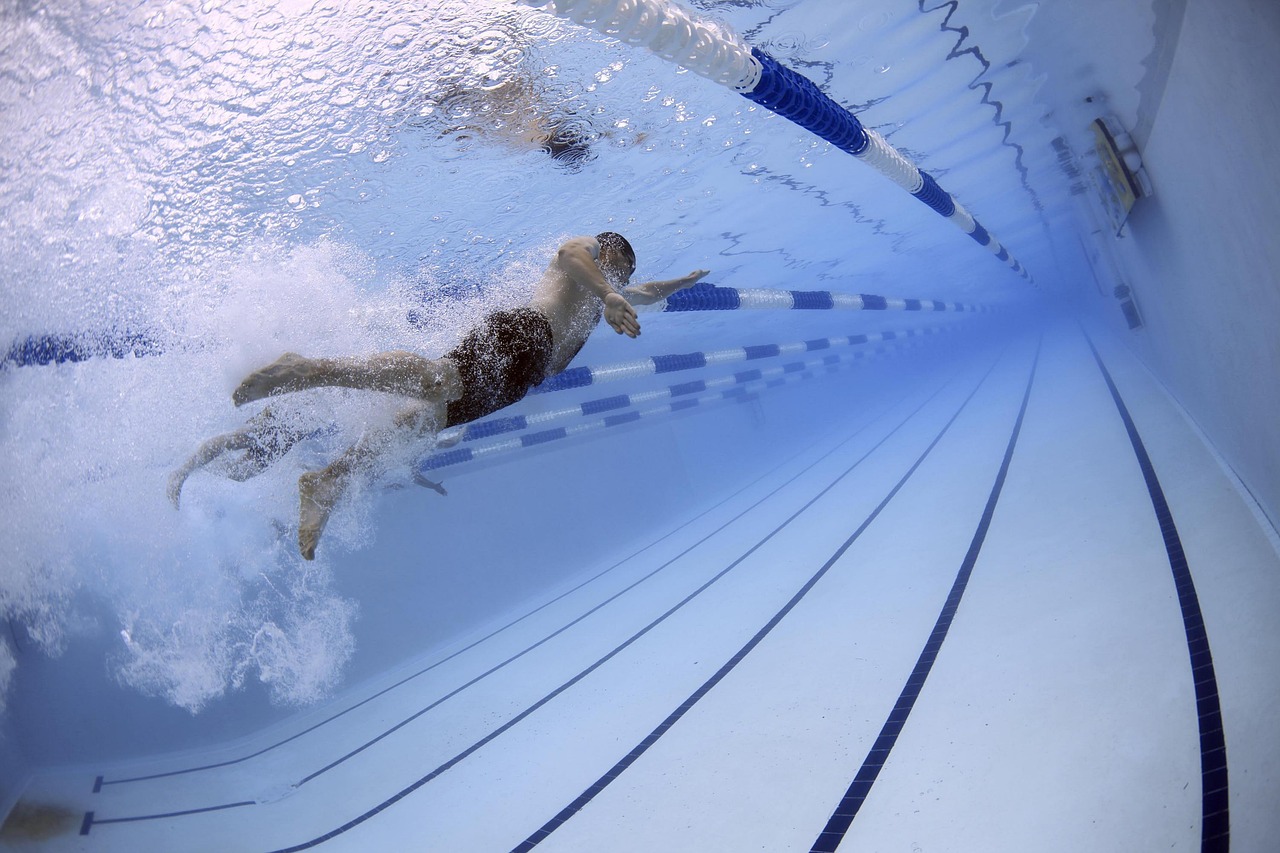
Understanding the terminology and measurements used in swimming pools is crucial for both competitive swimmers and recreational users. The dimensions of a swimming pool can vary significantly, affecting everything from the type of races that can be held to how training is conducted. A standard Olympic-sized pool is 50 meters long, 25 meters wide, and at least 2 meters deep. Additionally, these pools must feature lane lines to clearly define spaces for swimmers. Each lane is typically 2.5 meters wide, providing enough room for swimmers to perform without interfering with each other. Furthermore, competitive pools may include a starting block at the beginning of each lane. These blocks help swimmers achieve an optimal start when diving into the water. The depth of the water is also crucial, as it needs to be deep enough to prevent flip turns from creating waves that could disrupt other competitors. It’s essential to respect established parameters for measurement when discussing and planning for swimming activities.
Key Measurements in Swimming
The key measurements associated with swimming pools include lengths, widths, and depths, which are standardized worldwide. As we delve deeper into these dimensions, the importance of accuracy becomes evident. For instance, knowing the precise length can make or break a competitive event in a professional setting. A standard short course swimming pool measures 25 meters long, differing from the Olympic standard. This distinction is vital for swimmers and coaches alike as they train for different competition types. Moreover, pool depth is critical; competitive swimmers benefit from deeper pools that allow for safe diving and turning. Shallow pools, on the other hand, may be suitable for recreational swimming but could limit competition features, such as diving or flip turns. Alongside these dimensions, consider factors like water temperature, which often needs to be adjusted according to the type of swimming event being held. Temperature can impact swimmer performance. Thus, both coaches and swimmers must be aware of these various pool measurements to ensure they compete at their best.
Another important term in swimming is the “lane” itself, which plays a pivotal role in competitions. Lanes are marked by floating lane ropes and are essential for delineating swimmer areas. In competitions, each swimmer is assigned a specific lane to maintain fairness and order. This organization allows competitors to focus on their performance without getting distracted by others. The number of lanes in a pool can vary, usually ranging from 6 to 10 in official competitions. The parallel setup of these lanes is critical as it allows for a streamlined race format. Additionally, the start and turn protocols are closely regulated, with swim officials ensuring that swimmers remain in their designated lanes throughout the race. Deviations, such as false starts or breaching lane lines, can lead to disqualifications. Understanding lane rules and the terms associated with them is crucial for any swimmer wanting to participate in competitive swimming. Knowledge of these regulations helps develop good racing habits and respect among competitors, enhancing the overall experience.
Types of Swimming Competitions
In the swimming world, competitions can be broadly categorized into two types: individual and relay events. Individual races see a single swimmer competing against others, often focusing on different strokes like freestyle, butterfly, breaststroke, and backstroke. Relay races, however, require teams of swimmers to compete in succession, highlighting teamwork and speed. Understanding the distinction between these two competition types is critical for any aspiring swimmer. In individual events, it’s common to observe swimmers specializing in one stroke to gain a competitive advantage. Conversely, relay races can be more strategic, requiring team coordination and practice. Swimmers often need to master transitions and exchanges, which can be pivotal in determining race outcomes. Coaches typically emphasize the importance of practice and timing for these events as swimmers must pass the baton effectively. Another aspect to consider is the length of the races, which can vary between sprint distances and long-distance events, adding further complexity to competition strategies. Thus, a swimmer’s success in mastering these various forms of competition often depends on a solid understanding of the swimming landscape.
Another significant part of competitive swimming is the pool environment, often overlooked by novices. Environmental factors such as air temperature, humidity, and even altitude can greatly affect performance. For instance, athletes may find that swimming in warmer water can lead to quicker fatigue, while colder temperatures can be invigorating yet potentially detrimental to muscle function. The altitude at which the pool is located makes a difference in oxygen availability and athlete endurance. In addition, proper lighting in pools is essential for visibility and safety. For competitive meet organizers, considerations like the materials used for lane dividers and the construction of starting blocks are vital too. All these elements contribute to optimizing performance and safety for swimmers, requiring a holistic approach during practice and competition. Being aware of how a pool environment can impact swimming can help athletes adapt their training and racing strategies accordingly. Overall, the influence of the pool environment is an essential factor that contributes to both training efficiency and performance during competitions.
Common Lane Terms
Certain terms related to lanes and swimming practices are essential for both coordinators and swimmers. For example, the “start block” is where swimmers begin their races. Knowledge of the block’s height and surface material can aid in launching effective starts. On the other hand, the “lane line” aids in maintaining the order of swimmers, preventing laps or interference during races. Additionally, terms like “buoy” and “marker” are used to assist swimmers in navigation during practice in open water. Understanding these terms is fundamental for both recreational and competitive swimmers. It ensures that everyone involved is aligned on techniques and expectations during races and practices. When every participant knows the correct terminology, communication improves, reducing misunderstanding and confusion. For coaches, teaching these terms forms part of their swimmer education, preparing them for various swimming environments. Clear communication of lane-related terms also helps swimmers establish expectations while practicing and competing. Ultimately, an educated swimmer is often a more prepared swimmer, leading to better performances.
The concept of scoring in swimming competitions also plays a significant role. Scoring refers to the points awarded based on race completion final times and placement finishes. Different events adopt various scoring methods, where individual and relay events typically interface differently. Understanding how scoring works can serve as a motivational tool for athletes and teams alike. The importance of achieving personal best times can’t be overstated, as it not only counts in individual events but also contributes to team scores during relay competitions. Coaches often emphasize training not just for wins but for the improvement of personal bests, motivating athletes even more. Understanding the implications of scoring allows swimmers to adjust their strategies during competitions. For instance, knowing that every second counts can drive a swimmer to put forth greater effort in the final sprint of the race. Emphasizing the scoring methods used in competitions prepares athletes for any events they may face and can guide their focus during training. Overall, familiarity with scoring can lead to a well-rounded competitive experience for any swimmer.
Lastly, etiquette and sportsmanship in swimming competitions should not be overlooked. Understanding and practicing proper etiquette can significantly enhance the overall atmosphere of competitions. Simple actions like waiting for swimmers to finish before exiting the pool or congratulating opponents on their performances are foundational manners that create a positive environment. Moreover, being respectful towards officials and acknowledging their decisions also plays a crucial role in maintaining integrity during competitions. Coaches often educate swimmers about the importance of adhering to such practices, emphasizing that each interaction reflects both personal and team values. Engaging in good sportsmanship cultivates respect among participants and makes swimming events more enjoyable for everyone involved. Honoring one’s competitors also strengthens the community around this sport, fostering relationships that go beyond rivalry. Familiarity with these etiquette terms enhances not just performance but also the overall experience for athletes, coaches, and spectators alike. By incorporating this understanding, swimmers ensure they embody the spirit of the sport, contributing to the tradition of swimming and its values.