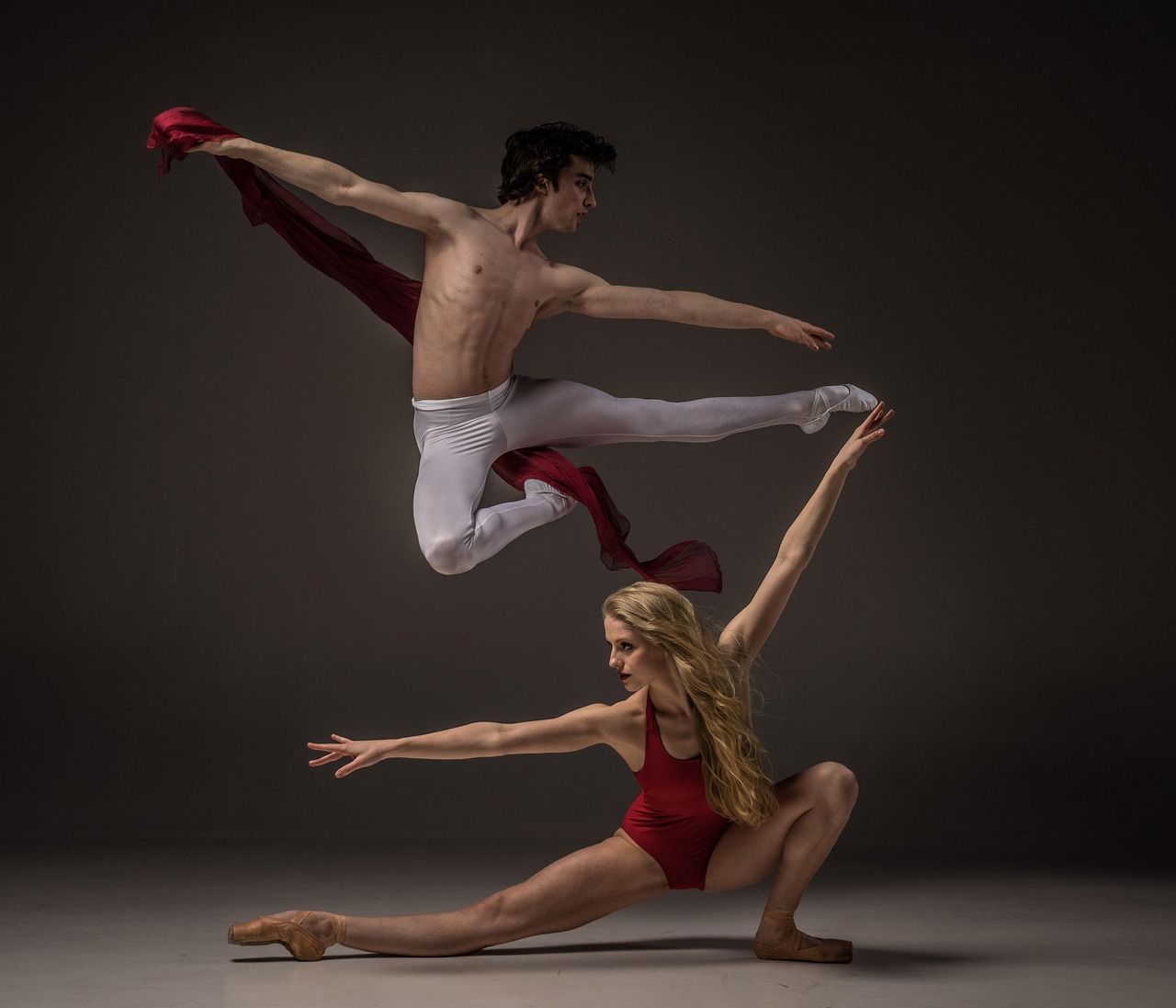

Static Stretching to Improve Posture for Athletes
Static stretching is a crucial activity for athletes aiming to improve their posture. This technique involves elongating the muscles while in a stationary position, conducive to enhancing the flexibility and balance necessary for peak performance across numerous sports disciplines. Athletes frequently overlook the significance of stretching, yet engaging in regular stretching routines equips athletes with the ability to maintain proper alignment and efficiently distribute body weight. Correct posture is vital during athletic performance as it contributes to enhanced power, balance, and decreases the risk of injury. Additionally, improved posture fosters better breathing mechanics, providing athletes with greater stamina and endurance. Integrating specific static stretches into an athlete’s training regimen, particularly those targeting the core, back, and leg muscles, ensures that the body remains aligned. When each muscle group operates in harmony, athletes can perform at their best with minimal physical constraints. Thus, if you’re an athlete looking to perfect your posture, consider allocating time to perform targeted static stretches regularly to enhance your overall performance and maintain good body alignment while engaging in sports activities.
This practice not only helps in correcting physical alignment but also assists in muscle recovery. Many athletes experience tightness and soreness in muscle groups after rigorous training sessions. Engaging in static stretching helps alleviate some of these tension symptoms, providing relief to the muscles. The relaxation effect coupled with improved blood flow from static stretches ensures that essential nutrients reach the tissues, promoting faster recovery. Moreover, training that combines physical exercises and dedicated stretching routines contributes significantly to injury prevention. Posture influences the distribution of stress across joints, and a misaligned posture can exacerbate stress levels leading to sports injuries. Static stretching helps athletes maintain a state of flexibility by regularly counteracting the effects of tightness. For athletes, integrating static stretching into a cool-down routine can create effective transition moments allowing the muscles to recover properly. As the muscles regain their length and elasticity, overall performance improves. Therefore, static stretching should not be treated as an optional exercise but rather as an essential activity after strenuous workouts or competitions to effectively maintain good posture and optimize athletic performance.
Benefits of Static Stretching
Static stretching offers various benefits for athletes aiming to enhance their overall performance and achieve specific fitness goals. Firstly, improved flexibility is one of the primary advantages; enhanced flexibility contributes to enhanced range of motion during athletic activities. This increase allows athletes to execute movements accurately and with a more expansive motion, which could lead to superior performance. Additionally, static stretching improves circulation and oxygen delivery to the muscles. When muscles receive adequate circulation, they become more resilient, allowing for better training adaptations. Furthermore, reducing muscle soreness post-exercise is an added benefit, as static stretching aids in decreasing lactic acid buildup, ultimately easing recovery. Good posture maintained through exercise can also lead to improved confidence levels. When athletes maintain an upright posture, they present themselves with stability and strength both on and off the field. Lastly, static stretching can serve as a mental preparation tool, helping athletes transition from high-intensity training to a calm state post-activity. The meditative aspect of static stretching can aid in focus and mental clarity, thus rounding out the comprehensive advantages associated with this simple yet effective practice.
When performing static stretches, athletes make numerous common mistakes that hinder effectiveness and may even lead to injuries. One prevalent error is the use of improper form while stretching. This not only diminishes the benefits but can result in strained muscles or ligaments. It is essential to focus on maintaining alignment during stretches; this creates a more productive outcome. Another mistake is rushing through the stretches to save time. Proper breathing and the duration of each stretch are crucial; spending adequate time in each position ensures muscles relax fully and benefit from the stretch. Engaging in static stretching immediately prior to vigorous activity can also lead to reduced muscle reflexes. Instead, athletes should utilize static stretches as a cool-down practice post-exercise. Lastly, not recognizing individual limits and forcing a stretch can lead to injuries. Every athlete has varying levels of flexibility, and it’s important to listen to one’s body and avoid pushing beyond the comfort zone to maximize safety. By steering clear of these common mistakes, athletes can appreciate the full range of benefits afforded by static stretching for better posture and performance.
Effective Static Stretches
Several stretches have proven effective in enhancing posture for athletes through static stretching. The hamstring stretch, targeting the back of the thigh, is vital for floor exercises or movements requiring hip flexion. To perform, sit with one leg extended while reaching towards the toes, holding for at least 20 seconds per leg. Alongside, the chest opener can also be instrumental in addressing poor upper body posture frequently caused by slouching. To execute this, stand tall, clasp hands behind the back, and slowly lift the arms upwards while opening the chest. Additionally, the cat-cow stretch is excellent for improving spinal flexibility, particularly important for sports requiring agility. By moving between arching and rounding the back while on all fours, athletes can effectively enhance their spinal alignment. Finally, a quadriceps stretch is ideal for balancing tightness from running. Standing on one leg, grab the ankle of the opposite leg and draw the heel gently toward the glutes. Incorporating these stretches into a regular routine can significantly contribute to improved posture, flexibility, and athletic performance.
For athletes looking to improve their overall performance, incorporating static stretching routines effectively targets muscles in specific ways. First, developing a structured plan that incorporates identified beneficial stretches into training can lead to measurable improvements. Often, athletes can underestimate the power of incorporating flexibility work, viewing strength and endurance as the primary focus. Emphasizing the importance of consistent static stretching within their training helps athletes understand this is more than just an afterthought. Also, tracking progress by measuring improvements in flexibility and posture can motivate athletes and reinforce the value of this important practice. This approach allows for better awareness of the body’s condition, leading to proactive management of potential imbalances that may develop over time. An effective strategy involves pair static stretching with strength and cardio workouts in a systematic manner. For instance, scheduling dedicated stretching sessions on recovery days or incorporating brief stretches between weightlifting sets can fit seamlessly into any training regimen. Ultimately, a well-rounded approach focused on flexibility through static stretching can serve as a game-changer for maintaining good posture and ensuring excellent athletic performance.
Final Thoughts
In conclusion, static stretching represents a vital component for athletes in cultivating better posture and optimizing performance. With a clear understanding of its benefits and effective techniques, athletes can incorporate stretching into their regular training. Continuous education on the importance of flexibility will further enable athletes to prioritize stretching, ensuring they understand how it contributes to performance enhancements. Moreover, listening to one’s body and adhering to appropriate techniques will promote safe practices for long-term benefits. Static stretching can also bring an element of mindfulness, promoting relaxation and focus. By committing to a regular stretching routine, athletes not only improve their physical capabilities but also enhance their mental resilience. Importantly, the cumulative impact of consistent practice should not be underestimated; ultimately, the alignment achieved through awareness and application of stretches creates a solid foundation for success in various athletic pursuits. Encouraging fellow athletes to prioritize flexibility is essential in fostering a culture wherein all participants experience the advantages of excellent posture and reduced injury risks. As athletes continue to strive for excellence, let static stretching play a pivotal role in their journey. Stay flexible and reap the rewards.
By keeping this routine simple yet effective, athletes can achieve excellent results over time. Regular static stretching fosters an environment where athletes not only enhance their performance but also cultivate a deeper connection with their bodies. This connection can prove invaluable as athletes navigate their training and competitions. Embracing techniques that promote better posture and flexibility will contribute significantly to athletic success, making static stretching a critical practice in any comprehensive training program. Furthermore, with the long-term health benefits associated with a consistent stretching routine, athletes will experience less injury and maintain better physical functioning as they advance in their careers. Thus, setting aside time for stretching should be regarded as an integral aspect of an athlete’s training schedule. As awareness spreads about these benefits, the practice of static stretching becomes more prevalent, promoting a healthier, injury-free environment for athletes in varying disciplines. Let us embrace the advantages of static stretching as part of our performance-enhancing strategies and experience its transformative effects.