
Mindful Snacking: Enhancing Weight Maintenance Through Awareness
Mindful snacking is a crucial aspect of maintaining a healthy weight. It encourages individuals to pay greater attention to their food choices and cravings. This practice helps in distinguishing between hunger and emotional eating. Many people snack mindlessly, often leading to excessive calorie intake, which impedes weight maintenance. By developing a mindful approach to snacking, one can take significant strides toward achieving better health outcomes and reaching their weight goals. People can improve their snack selection by being aware of their feelings at snack time. Instead of reaching for unhealthy options like chips or candy, consider healthier alternatives such as fruits or nuts. Educating yourself about nutrition can also aid in making better snack decisions. Reading food labels or seeking guidance from health professionals can provide the necessary knowledge to enhance your snack choices. Remember, it’s not just about satisfying hunger but also enjoying the process of eating. Exploring new recipes and flavors can turn snacking into a delightful experience rather than an impulsive action. Ultimately, this increased awareness might lead to sustainable weight maintenance and improved overall wellness.
Healthy snacks are vital for weight maintenance, as they provide essential nutrients without compromising caloric intake. Finding nutritious alternatives is crucial for those who wish to snack without guilt. When seeking healthy snack options, consider selecting whole foods that are high in fiber and protein. These food groups contribute to satiety and help maintain steady energy levels. Some ideal snack examples include:
- Fresh Fruits: Apples, bananas, and berries are excellent sources of vitamins and minerals.
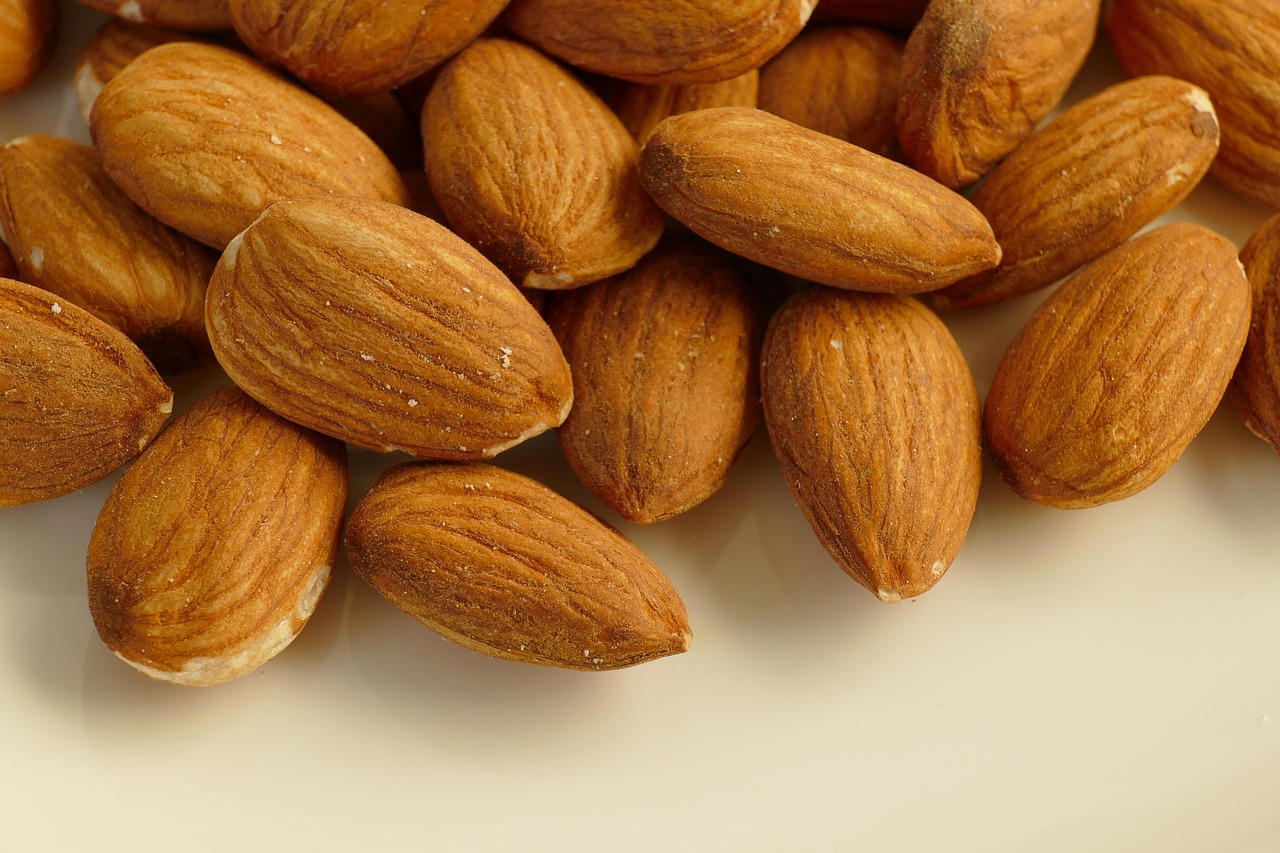
- Nuts: Almonds and walnuts are packed with healthy fats and protein, ideal for keeping hunger at bay.
- Veggies with Hummus: Carrot sticks, cucumber slices, paired with hummus add flavor and crunch.
- Greek Yogurt: Rich in protein, it offers great versatility for mixing with fruits or honey.
Balancing calorie consumption while enjoying these snacks can lead to mindful eating habits. Regularly incorporating these healthier snacks into your diet can contribute positively to overall health as well. Recognizing that every snack choice matters can be the key to successful weight maintenance.
The Importance of Portion Control
Portion control plays a vital role in mindful snacking and is essential for effective weight management. Even healthy snacks can contribute to weight gain if consumed in excessive amounts. It’s essential to be aware of portion sizes when indulging in any kind of snacking. Research consistently shows that larger portion sizes lead to increased caloric intake. Thus, becoming proficient in measuring out expert-recommended serving sizes can significantly influence overall dietary intake, ensuring that one doesn’t go overboard. An effective strategy for controlling portions is to use smaller plates or bowls, which can make servings appear larger than they actually are. Additionally, packing snacks in single-serving containers can prevent automatic overeating. Strategies such as pre-portioning snacks when you’re not hungry can also be beneficial. This method reduces the likelihood of reaching for large bags or boxes of food and consuming irrational amounts. Being intentional in choosing when and what to eat, alongside watching portion sizes, makes snacking less mindless and more fulfilling. Ultimately, portion control encourages balance and moderation, critical components of sustainable weight maintenance.
Emotional Connection to Food
People often snack based on emotional states rather than physical hunger. Understanding this connection is critical for successful weight management. Emotional triggers often lead to mindless snacking, making it essential to differentiate between emotional and physical hunger. Instead of indulging in snacks during stress or sadness, exploring other coping mechanisms can lead to healthier habits. Engaging in physical activity, practicing relaxation techniques, or indulging in a hobby can effectively redirect emotional cravings toward healthier outlets. Keeping a food journal is another useful tool to help track when and why you snack. This practice encourages self-reflection on emotional triggers and food choices, leading to a deeper understanding of one’s eating habits. Challenging oneself to ask, “Am I truly hungry, or am I just bored or upset?” before reaching for a snack can provide important insight. Building emotional awareness takes practice, but it ultimately helps in developing a strong, mindful relationship with food. By establishing healthier emotional coping strategies, individuals can cultivate a more balanced approach to snacking that supports weight maintenance.
Choosing the right environments for snacking can also assist in maintaining awareness. Create settings conducive to mindful eating for better snacking practices. Designate a specific area for snacking that’s free from distractions such as televisions and smartphones. This allows for better focus on the snack itself and promotes awareness of individual eating behaviors. Solving distraction-based issues ensures that one doesn’t consume mindlessly while engaging in other activities. Making a ritual out of snacking can enhance the experience; this may involve taking a moment to appreciate the food before eating or savoring each bite slowly. In addition, practicing gratitude before snacking by acknowledging the nourishment and joy that food brings can foster a better mental space. Eating should be a pleasurable and fulfilling experience. Laboratories suggest that people who snacked mindfully are more likely to feel satisfied with smaller amounts of food. Hence, by focusing on the details of the snack, including sight, smell, and taste, one can increase satisfaction and indulge without feeling guilty. Ultimately, creating a supportive snacking environment can significantly contribute to successful weight maintenance.
The Role of Preparation
Preparation is key when it comes to healthy snacking and effective weight maintenance. By planning snacks ahead of time, individuals can ensure they have nutritious options readily available. The hustle of daily life often leads to spontaneous choices, which can be less healthy. Dedicate a specific day for meal prepping, which can significantly alleviate last-minute unhealthy food grabs. Simple preparation techniques can be a game-changer. For instance, wash and chop vegetables upfront, store them in clear containers, or portion out servings of nuts in advance. This increases the likelihood of reaching for these healthier snacks during hunger moments rather than junk food. Another excellent preparation method involves creating snack mixes filled with treats such as nuts, seeds, and dried fruits. Ensuring snacks are easily accessible makes it simpler to save time while staying aligned with mindful eating principles. It’s also an excellent opportunity to learn about varying ingredients and flavors. Going the extra mile in preparation can create positive associations with snacking, making it an enjoyable and nutritious experience rather than a mindless act.
Ultimately, fostering mindfulness in snacking is a rewarding endeavor that contributes significantly to maintaining a healthy weight. The journey toward better eating habits should be viewed as a lifestyle change and not merely a diet. Emphasizing the importance of being aware of individual food choices equips people with the power to make responsible decisions. This proactive mindset toward snacking can be transformative; it nurtures physical health as well as emotional well-being. It is essential to relish every bite, focusing on flavors, textures, and the experience itself. Engaging fully with food enables one to feel greater satisfaction without overindulging. By taking time to enjoy snacks and make conscious choices, individuals can create a sustainable model for healthy eating that caters to their lifestyle. This aligns with overall wellness goals and fosters improved relationships with food. To summarize, take actionable steps in implementing mindful snacking strategies, being aware of portions, the emotional context of food choices, and preparation. Such practices not only support weight maintenance but also contribute to a more enjoyable and healthier eating experience. Mindful snacking truly can elevate both health and happiness.
Mindful eating practices extend beyond just snacking; they encompass full meals as well. Developing an approach where individuals pay attention to various aspects of eating can enhance overall well-being. This includes savoring the flavors of each meal, recognizing hunger and satiety cues, and creating a positive atmosphere around food. Such holistic practices can help sustain weight management goals over time without the stress or restrictions associated with traditional dieting. Implementing mindfulness techniques effectively enables individuals to alter their relationship with food. Gradually integrating these principles can lead to a more satisfying relationship with meals and snacks. Encouraging family meals, where everyone is present, can also foster enjoyment and appreciation of food. This supportive environment creates an opportunity for shared experiences, which helps bind relationships while emphasizing the importance of nutrition. Bringing all these elements together encourages a lifestyle that prioritizes health through conscious eating practices. Over time, individuals may find healthy eating approaches to be less burdensome and more aligned with their values. Supporting community initiatives that focus on health can also motivate individuals to stay engaged and excited about mindful eating and snacking practices.