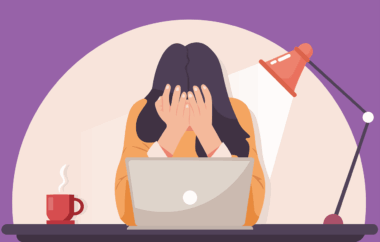

The Effect of Virtual Meetings on Stress and Burnout
In today’s work environment, virtual meetings have become the norm. These meetings can be necessary for collaboration but also introduce a unique set of stressors. The constant need to engage through video can be overwhelming, leading to a phenomenon often referred to as “Zoom fatigue.” This term describes the exhaustion that comes from being on video calls for extended periods. Additionally, individuals find themselves multitasking during these meetings, which can divide their focus and heighten stress levels. According to recent studies, prolonged screen time can lead to mental fatigue and burnout. Moreover, the pressure to present oneself in a certain way, often influenced by professional norms set in video calls, adds another layer of stress. Zoom fatigue is not only an individual issue; it impacts teamwork and overall productivity in the workplace. Identifying these signs is essential to mitigating their effects. Many employees report feeling drained after a day filled with virtual meetings. Understanding these dynamics is crucial for creating a healthier workplace. Enabling flexibility in meeting formats may help alleviate some of these pressures and allow employees to recharge.
To comprehend the implications of virtual meetings on stress, it is important to examine their psychological impact. The expectation of constant connectivity creates a sense of urgency that can lead to stress. Virtual platforms mean that work often intrudes on personal time, creating a blurred line between home and work life. Studies indicate that this lack of boundaries contributes significantly to employee burnout. Furthermore, many participants experience discomfort associated with being continuously visually scrutinized, leading to increased anxiety. As more companies adopt remote work policies, this discomfort can escalate if not addressed effectively. Workers may feel pressured to perform at their best at all times, even when they are fatigued. The physical repercussions can include tension headaches, eye strain, and elevated heart rates among remote employees. Practicing mindful engagement during meetings, such as taking scheduled breaks and using non-verbal cues, can alleviate these symptoms. Organizations should consider implementing policies that encourage taking breaks, reducing the number of virtual meetings, and promoting asynchronous communication. By fostering an environment where mental health is prioritized, employers can help mitigate the stress associated with virtual communication.
The Role of Technology in Stress Management
Technology has transformed the way we communicate, bringing both benefits and challenges regarding stress management. For instance, virtual meeting tools have enabled immediate communication, allowing for flexibility and swift decision-making. However, this always-on culture can lead to increased stress levels. Employees may feel compelled to be available beyond regular office hours due to technology’s pervasive nature. The pressure of maintaining visibility during virtual interactions can lead to anxiety and a perception of constant scrutiny. Acknowledging the need for digital detox is essential, as individuals must balance technology use with personal time and well-being. Employers need to foster a culture where they encourage employees to take technology breaks and prioritize their mental health. This includes potentially limiting meeting times or the number of required virtual interactions. Developing policies that advocate for healthy technology habits is crucial in preventing burnout and promoting a supportive work environment. Stress management techniques, such as breathing exercises or short physical activity breaks, can be effective. Technology should serve as a tool for empowerment, rather than a source of stress.
Virtual meetings have also reshaped team dynamics and interpersonal relationships among employees, which can impact stress levels. The lack of face-to-face interaction may hinder the development of trust and camaraderie that typically forms in person. As connections weaken, employees may experience feelings of isolation and anxiety, contributing to overall stress. Research indicates that successful teamwork relies on effective communication and relationship management. Establishing virtual “water cooler” moments for informal discussions can help bridge this gap, allowing team members to connect on a personal level. Additionally, promoting open discussions about mental health during virtual meetings can create a supportive atmosphere where employees feel valued and understood. Encouraging team-building activities virtually can also reinforce this sense of community, fostering resilience among employees. Employees who feel connected are generally better equipped to manage stress. Organizations must integrate strategies that facilitate relationship-building remotely, such as virtual team events or mentorship programs. Making room for these interactions can be instrumental in lowering stress levels and enhancing team dynamics. Creating a foundation of support will help employees navigate their experiences with technology and remote work.
Strategies for Reducing Virtual Meeting Stress
Employers can implement effective strategies to mitigate stress associated with virtual meetings. One approach is to establish clear guidelines regarding meeting etiquette, including turning off cameras during breaks. This small change can help employees regain a sense of privacy and reduce the pressure to maintain a polished appearance at all times. Scheduling regular check-ins focused on employee well-being can also foster a more supportive work environment. Employers should implement meeting-free days or short working hours to minimize stress during heavy work periods. By promoting a balanced approach to work and prioritizing mental wellness, companies are better positioned to cultivate a healthier culture. Additionally, encouraging employees to use tools that automate some meetings can help them feel in control of their time and responsibilities. Providing employees with the resources and training to manage their virtual engagement effectively is also crucial. Incorporating stress-reducing practices, like mindfulness breaks, within the daily routine can enhance focus and productivity. Finally, employee feedback is vital in assessing the effectiveness of these strategies, allowing managers to make necessary adjustments. Creating a culture of flexibility and adaptability can significantly relieve stress.
In conclusion, while virtual meetings offer conveniences, they also bring about challenges that can lead to increased stress and burnout. Acknowledging these challenges is the first step toward effective stress management. Organizations must actively seek to balance the benefits of technology with the psychological impacts on employees. Incorporating regular feedback sessions enables companies to understand the concerns their employees face. It is crucial to create a culture that normalizes discussions about stress and mental health. By promoting awareness and practical strategies, companies can ensure they are doing their part to support employee well-being. Encouraging employees to prioritize their mental health and engage in open conversations about their experiences with virtual interactions is essential. Another aspect that can alleviate stress is fostering a flexible work culture where employees feel empowered to manage their time. Suggesting breaks, reducing scheduled meetings, and allowing for different modes of communication can significantly enhance mental wellness. In doing so, organizations not only reduce stress levels but also improve productivity and job satisfaction. Thus, it is imperative to keep the conversation ongoing, adapting as necessary to support every team member effectively.
Future Perspectives on Technology and Work-Life Balance
As the workforce evolves with technology, the relationship between virtual meetings and employee stress will continue to develop. Understanding this shift is vital for organizations committed to maintaining the well-being of their employees. Employers must remain proactive and prioritize ongoing discussions regarding the mental health of their teams. This includes alternative meeting formats to reduce the pressure associated with video calls and promote engagement. Furthermore, as hybrid work arrangements become increasingly popular, organizations will need to adapt their approaches to complement diverse employee needs. Emphasizing training on effective communication, collaboration, and time management will empower employees to handle the potential stressors of both remote and in-office work environments. Additionally, organizations should foster innovations that enhance employee engagement through new virtual platforms, minimizing the monotony associated with long hours on single applications. Understanding the critical nature of work-life balance is paramount, as technology should ideally enhance productivity without compromising mental health. By aligning company values with employee well-being and adapting to changing needs, organizations will cultivate a resilient workforce prepared for future challenges. Employers should strive to create a sustainable balance that respects the human aspect of work in a digital age.
As we navigate these technological changes, the burden of stress due to virtual meetings can be alleviated through intentional action and support. By recognizing the nuanced relationship between technology use and employee well-being, organizations have the unique opportunity to re-define workplace communication strategies. Implementing practices that champion mental health will not only boost morale but also foster productivity. Ultimately, finding the right balance between leveraging technology and caring for employees’ mental health will pave the way for a healthier workplace culture. Introducing an open dialogue around stress management will create an atmosphere of safety where individuals feel encouraged to seek support. Therefore, ongoing assessments of meeting formats and employee engagement can help organizations effectively manage burnout. Shifting the focus from mere productivity to employee experience will be key to sustaining a high-performing culture. Maintaining awareness of the increasing complexities of virtual communication also allows leaders to be more empathetic and adaptable. In conclusion, the transition to a digitally-centered work environment presents both challenges and opportunities for stress management. Building resilience among employees will ensure that they remain engaged and motivated while navigating the evolving landscape of work.