
Safety Tips: Protective Gear for Seniors Engaging in Outdoor Exercise
For seniors engaging in outdoor exercise, safety is paramount. Proper protective gear can make a significant difference in preventing injuries while maintaining an active lifestyle. Start with sturdy footwear that offers both comfort and support. Look for shoes with non-slip soles to improve stability and reduce the risk of falls. It’s also essential to choose the right socks to prevent blisters and other foot injuries. A good fit is critical to maximize performance while minimizing the risk of mishaps. In addition to footwear, consider wearing a supportive knee brace if you have previous knee issues or arthritis. This will provide extra support during walks or more vigorous activities like jogging. Always check for adequate cushioning for added joint protection. Recovery and comfort should be part of your considerations when selecting exercise gear. Each component of your outfit contributes to your overall balance and coordination, thus facilitating a safer workout experience outdoors. Prioritizing safety through appropriate gear can amplify enjoyment in outdoor activities, allowing you to embrace a healthier lifestyle while protecting yourself from unnecessary risk.
Another crucial piece of safety gear involves using proper exercise accessories. For example, resistance bands and hand weights can enhance strength training, but they must be used with caution. When incorporating these tools into your routine, ensure you follow instructions precisely, focusing on controlled movements to prevent injuries. If you’re uncertain about how to use a specific piece of equipment safely, consider consulting a physical therapist for guidance. Protective gear like wrist or ankle weights should also fit snugly but not too tight, as excessive pressure may impede blood circulation and cause discomfort. Adapting workout routines with the right gear creates a safer environment, encouraging consistent participation in physical activities. In addition, sun protection is vital, particularly for outdoor exercises. Seniors have sensitive skin that can easily burn, so always apply sunscreen and choose appropriate UV-protective clothing. Using wide-brimmed hats and sunglasses can shield you from harmful rays. The goal is to keep exercising enjoyable while minimizing health risks. During outdoor activities like jogging or cycling, remember to stay hydrated and allow for rest periods to ensure your body can withstand strenuous exercises safely.
The Importance of Visibility
Visibility is another crucial aspect when it comes to exercising outdoors, especially for seniors. Wearing bright or reflective clothing can significantly enhance safety, particularly if you plan on exercising during early morning or dusk hours. This additional visibility helps ensure that drivers and other pedestrians can see you, reducing the chances of accidents. Opt for fabrics designed for high visibility, as these are often lightweight and comfortable for exercise. Many activewear brands offer clothing fitted with reflective stripes or patterns that catch the light. Also, consider carrying a small flashlight or wearing a headlamp during evening exercises. This enhancement not only ensures that you can see your surroundings but also alerts others to your presence. If you prefer walking or jogging in low-light conditions, paths that are well-lit should be your go-to choices to avoid hazards like uneven terrain or obstacles. Choosing suitable lighting will allow you to maintain a safe pace and enjoy your time outdoors without fear or injury. Ultimately, ensuring that you are visible is a significant step towards making outdoor workouts safer and more enjoyable.
Using technology can also enhance safety while exercising outside. Many seniors can benefit from wearable devices that monitor their health metrics. Devices like smartwatches or fitness trackers often include heart rate monitors, step counters, and GPS features, allowing you to keep track of your progress. Features such as step alerts or health reminders can motivate you to stay active while ensuring you don’t overexert yourself. Additionally, some devices have emergency features, enabling quick assistance if needed during a workout in case of an emergency. This level of preparedness is exceptionally beneficial as it helps alleviate any concerns that you might have while engaging in physical activities. Furthermore, apps that provide guidance on exercises suitable for seniors can also enhance safety. Familiarizing yourself with these resources ensures you perform exercises correctly, thus reducing the risk of injury. Various online platforms provide instructional videos and tips tailored to seniors in enhancing balance and strength while engaging in outdoor activities. Technology is thus a valuable partner in maintaining not only safety but overall health in your exercise regimen, especially when exercising outdoors.
Warm-Up and Cool-Down
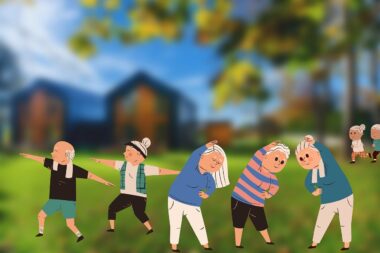
Another critical safety component is incorporating warm-up and cool-down exercises into your routine before and after engaging in outdoor activities. These essential practices prepare your muscles for physical exertion, helping to reduce the chance of sprains or other injuries. A good warm-up can include gentle stretches and light movements that get your blood flowing without overwhelming your body. This gradual approach to activity is especially beneficial for seniors, helping to increase flexibility and joint mobility. Equally important are cool-down stretches that help your heart rate return to normal and improve overall recovery. Cool-downs can minimize muscle stiffness, which is particularly crucial as we age. Include stretches focusing on the major muscle groups you utilized during your workout, such as legs, arms, and back, to promote relaxation. Remember to breathe deeply during these phases to refresh your mind and body. Both warm-up and cool-down not only enhance physical safety but can also lead to a more gratifying exercise experience. When added consistently to your routine, they provide a satisfying structure that contributes to better health.
Another vital aspect of engaging in outdoor exercise for seniors is hydration, which is often overlooked. Hydration impacts overall body function, temperature regulation, and overall performance during physical activities. As seniors might not feel thirsty regularly, it’s essential to make a conscious effort to drink water before, during, and after outdoor workouts. Carrying a water bottle can make this easier, so you have a reminder to hydrate. Hydration is particularly crucial in warmer weather or when engaging in longer sessions of exercise. You can also include hydrating foods in your diet, such as fruits and vegetables, that help maintain moisture levels in the body. However, while hydration is crucial, seniors should also avoid consuming overly sugary or caffeinated beverages before workouts since they can lead to dehydration rather than hydration. Emphasizing hydration in your routine not only promotes optimal performance but can also minimize feelings of fatigue and dizziness during workouts. Therefore, make hydration a priority to enhance your outdoor workout safety and experience significantly. Listen to your body’s needs, and always ensure you remain properly hydrated to enjoy your outdoor fitness activities.
Seek Professional Advice
Lastly, seeking professional advice can be a wise decision when considering protective gear and safe practices for outdoor exercise. Consulting a fitness trainer with experience in senior fitness provides valuable insights tailored to your personal abilities. This professional can help create an effective exercise plan that reflects your fitness level and addresses any limitations or specific concerns. They can also recommend suitable gear and equipment, ensuring that you make informed choices that enhance your safety. Additionally, physiotherapists can evaluate your physical condition, providing detailed advice on injury prevention and rehabilitation exercises. Their expertise can be particularly beneficial if you have previously faced health issues. Regularly reassessing your fitness routine with professionals ensures that exercise remains enjoyable while adapting to your changing health needs. Furthermore, discussing with your doctor before starting any new exercise program is always wise, particularly if you have chronic health conditions or are new to physical activity. By prioritizing safety and consulting the right experts, you can confidently engage in outdoor exercise, leading to better health outcomes and an improved quality of life.
By implementing these safety tips and utilizing protective gear, seniors can confidently engage in outdoor exercise and enhance their overall well-being. Emphasizing proper footwear, visibility, hydration, and support can significantly contribute to a safer and more rewarding fitness journey. Remember that the goal is to remain active while minimizing the risk of injuries that can lead to setbacks in both physical and mental health. By prioritizing safety gear and incorporating warm-ups, cool-downs, and professional advice, you create a supportive environment for yourself or your loved ones during outdoor exercises. Each step taken toward ensuring safety enhances the enjoyment of activities and allows for the pursuit of fitness goals. It’s essential to maintain open communication about any concerns with health professionals, trainers, or family members to foster an encouraging workout atmosphere. The more one emphasizes safety and knowledge, the more fulfilling outdoor activities will be. Take the initiative to research appropriate gear and techniques that cater specifically to senior needs. This dedication will ultimately lead to personal empowerment and a healthier, happier lifestyle.