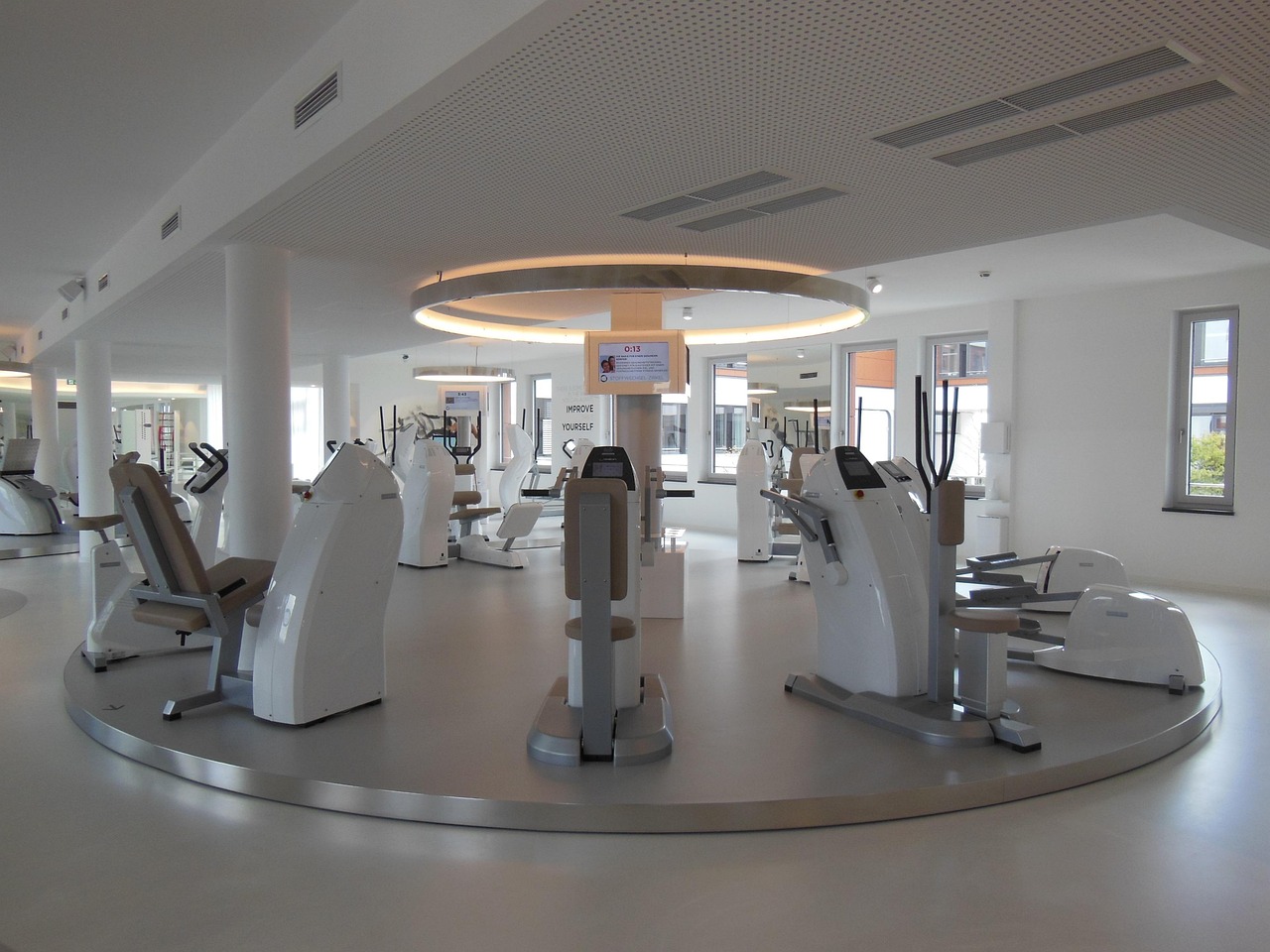

Circuit Training: Boost Your Metabolism and Lose Weight
Circuit training is an effective exercise tactic that combines various workouts performed in sequence with minimal rest intervals. This unique format not only helps burn calories during the session but also contributes to a heightened post-exercise metabolic rate, making it a superb choice for weight loss. By incorporating strength, cardio, and flexibility exercises, circuit training addresses multiple fitness components, making it efficient and enjoyable. Typically, these sessions last between 30 to 60 minutes, providing ample opportunity for vigorous activity. Individuals often have the option to perform these workouts both in gyms and at home. Additionally, circuit training can also accommodate various fitness levels, from beginners to advanced athletes. It encourages participants to work at their own pace, ensuring that everyone can benefit from higher intensity workouts tailored to their skills. Furthermore, the minimal equipment requirement means that virtually anyone can start circuit training without needing significant investment in fitness gear. This flexibility allows individuals to stay consistent with their routines, which is crucial for achieving weight loss goals over time. With consistent practice, individuals can see significant improvements in their overall fitness and well-being.
Structure of a Circuit Training Session
A typical circuit training session comprises a series of exercises targeting different muscle groups. Participants transition quickly from one exercise to another, which maximizes calorie burn within a condensed time frame. Strength exercises such as push-ups, squats, lunges, and kettlebell swings often feature prominently. Moreover, aerobic components like jumping jacks or burpees are integrated to maintain an elevated heart rate. The combination of resistance training with cardiovascular components ensures that both endurance and strength are enhanced through this approach. Circuits can be personalized by adjusting the number of repetitions, intensity level, and duration of each exercise segment. Many find circuit training particularly appealing due to its variety, as routines can be rotated frequently to prevent boredom. Additionally, it allows for adjusting workouts based on personal goals or fitness levels. Another significant aspect is that circuits can be easily performed in group settings, adding a motivational element. As people progress, they can challenge themselves with higher weights or alternative exercises, continually pushing their limits and maximizing weight loss effectiveness along the way. This adaptability is one reason behind the growing popularity of circuit training methods.
One major advantage of circuit training is its effectiveness in fostering fat loss through engaging high-intensity interval workouts. The intense nature of these workouts leads to excess post-exercise oxygen consumption (EPOC), meaning participants continue to burn calories even after they have completed their session. This phenomenon is often referred to as the “afterburn effect,” and it plays a significant role in weight loss. Comparatively, steady-state cardio may not yield the same results when it comes to long-term fat reduction. Additionally, as circuit training combines strength and cardio, participants gain lean muscle, which further aids in elevating their resting metabolic rate. Enhanced metabolism due to increased muscle mass means the body burns more calories even when at rest. For those looking to shed pounds, combining circuit training with proper nutritional practices creates a comprehensive and effective weight loss strategy. Nutrition is a critical aspect, and fueling the body with wholesome foods can enhance performance during workouts. Thus, individuals must focus not only on their exercise regimens but also on maintaining balanced diets for optimal results.
A well-structured circuit training routine may consist of various formats, including timed circuits, repetition-based rounds, or combined sets targeting specific areas. Timed circuits encourage participants to complete as many rounds of exercises as possible within a designated time. This method promotes endurance and tenacity as individuals push through fatigue. Alternatively, repetition-based circuits focus on performing a list of exercises for a specific number of reps. This approach emphasizes strength building and proper form due to the emphasis on technique mastery. Combined sets involve pairing two related exercises together to boost efficacy and depth concerning training goals. Practicing circuits in groups can foster a fun and competitive atmosphere, pushing individuals to perform at their best. Group classes typically led by an instructor often incorporate all these elements, guiding participants through each phase to ensure safety while optimizing results. Furthermore, varying training styles keeps the workout experiences both engaging and effective. Consistent participation helps forge exercise habits, making individuals less likely to abandon their fitness journeys, which contributes to sustained weight loss outcomes. Adopting such versatile workout routines can yield significant benefits for all fitness enthusiasts.
While circuit training has proven to be a potent tool for weight loss, it is crucial to customize the routine according to individual capabilities. Beginners might find the intensity overwhelming initially, so it’s recommended to start with fewer exercises and extended rest periods. As individuals become more comfortable with circuit training, they can gradually increase difficulty by incorporating higher resistance, shortening rest intervals, or adding complex movements. Personalizing the workout promotes long-term engagement and helps prevent injuries stemming from overexertion. Listening to one’s body is vital; if fatigue or discomfort occurs, participants should modify their routines accordingly. Variations in exercises ensure that individuals maintain variety and interest throughout their workouts. Moreover, those with specific weight loss goals might explore nutritional guidance to complement their circuit training approach. Collaborating with fitness professionals to develop personalized training and nutrition strategies often leads to better outcomes and sustainable habits over time. Ultimately, commitment to circuit training fosters a supportive environment that encourages individuals to push their limits while enjoying the process. Such a comprehensive approach ensures that participants gain the most significant benefits possible in their fitness journeys.
Track Your Progress
Monitoring progress is essential for any weight loss endeavor, especially when engaging in circuit training. Regularly tracking performance metrics helps individuals recognize areas requiring improvement and adjust their routines accordingly. For instance, noting improvements in the number of repetitions completed within a given time or the amount of weight lifted can reveal enhanced muscle strength and endurance. This information is invaluable for establishing new circuit goals, as it fosters motivation and encourages accountability. Individuals can also use tools such as fitness apps to record workouts and monitor their nutritional intake. These digital platforms enable users to analyze patterns, set benchmarks, and celebrate their achievements along the way. Engaging with a community through social media or fitness groups can further amplify support and motivation. Sharing successes, struggles, and tips creates an encouraging atmosphere that reinforces the commitment to achieving weight loss goals. Ultimately, maintaining awareness of one’s progress facilitates sustained participation in circuit training while fostering a healthier lifestyle. Individuals will find that these practices create a profound sense of achievement, ultimately leading them closer to their ultimate health aspirations.
In conclusion, circuit training offers a multifaceted and engaging approach to weight loss while enhancing overall fitness levels. This versatile method combines strength and cardiovascular exercises into dynamic sessions, encouraging continual engagement and motivation. By promoting calorie expenditure both during and after workouts, its effectiveness in burning fat contributes significantly to successful weight loss. Moreover, the customizable nature of circuit training means that individuals of all skill levels can participate, inspiring inclusivity in fitness. Whether performed individually or in group settings, circuit training fosters a supportive and energetic environment that encourages accountability and social impact. Anyone can adopt this training method, making exercise more enjoyable and less monotonous. As part of a balanced lifestyle that includes nutrition and progress tracking, circuit training can yield outstanding results for those committed to working towards their fitness goals. By embracing the philosophy of circuit training, individuals set themselves up for long-term success, fostering a healthier mindset alongside their physical achievements. Starting circuit training means embarking on a transformative journey that enhances quality of life while reshaping body composition and building essential strength.