
Understanding the Developmental Stages of Kids and Teens in Fitness
Promoting fitness among children and teenagers involves understanding their developmental stages. Different age groups have distinct physical abilities, coordination, and cognitive functions that influence how they engage in exercise. For preschoolers, physical activity typically includes play, such as running or jumping. At this stage, developing coordination and motor skills is essential. This age group typically enjoys unstructured play, which fosters social skills and a positive attitude toward fitness. For elementary-aged children, structured programs start becoming beneficial. Activities can be divided into basic movement skills like throwing, catching, and jumping. Encouraging participation in various activities ensures they develop diverse athletic skills. In contrast, middle schoolers begin experiencing rapid physical changes, which may encourage interest in formal sports. Peer influence becomes significant, and social interactions affect motivation. At this stage, establishing regular exercise habits becomes crucial. High school students are characterized by varying levels of personal interests in fitness. They may participate actively in competitive sports or engage in solo workouts. It is essential to promote self-efficacy among this age group, helping them to set and achieve personal fitness goals.
Fitness Recommendations for Preschoolers
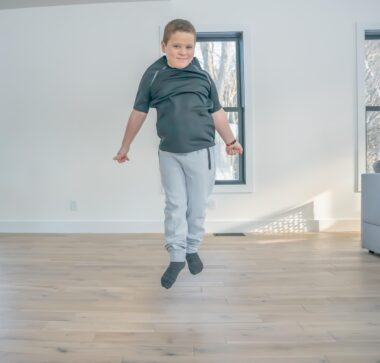
Preschoolers should engage in at least three hours of varied physical activity each day to develop their gross motor skills. Activities such as hopping, skipping, running, or simply engaging in play are appropriate. They learn best through play rather than structured environments, allowing them to explore their physical capabilities freely. Considering the child’s interests is crucial; activities should maintain a fun element. Use songs, games, and story-telling to motivate them during exercise, assisting in the development of positive associations with fitness. Incorporating family into these activities reinforces a supportive environment, encouraging the child to remain active. Parent-child activities, such as dancing or playing tag, serve as excellent ways to bond while promoting fitness. As young ones imitate adults, caregivers should model active lifestyles, emphasizing that fitness is an enjoyable part of life. Establishing routines for activity time also helps preschool children expect and look forward to exercise. Additionally, promoting safe environments where kids can play freely, such as parks or backyards, will further boost their enthusiasm for staying active. Creating a positive atmosphere surrounding exercising ultimately cultivates a lifetime appreciation for fitness.
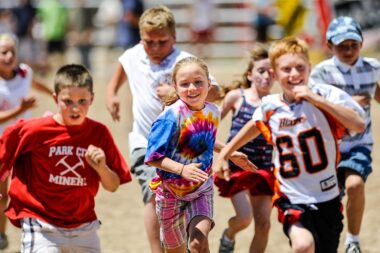
As children enter elementary school, their fitness needs evolve. Engaging in physical activities becomes essential to maintain their health and development. Experts recommend 60 minutes of moderate to vigorous physical activity daily for children aged 6-12. During these years, children should experience a broader range of activities to develop critical skills. Sports like soccer, basketball, swimming, and gymnastics are excellent for teaching teamwork and discipline. Skill-based activities help them build confidence and coordination while improving their fitness levels. Organized sports can begin to play a more significant role in their lives, thus fostering a sense of belonging and accomplishment. However, it’s crucial to ensure that participation remains enjoyable, as pressure to win may lead to negative feelings toward fitness. Parents and guardians should support their children by ensuring they have access to various activities and promoting an active lifestyle. Regular participation in physical education at school also keeps children engaged in fitness. It’s also important to create an environment where physical activity is encouraged rather than limited. Daily access to outdoor play and recreation aids significantly in their physical wellbeing and emotional health as they grow.
The Importance of Physical Activity in Middle School
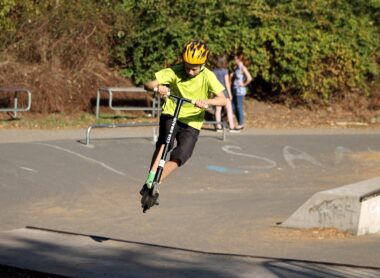
Middle schoolers experience significant changes physically and emotionally, making this stage critical for establishing lifelong fitness habits. Experts recommend that adolescents engage in at least 60 minutes of daily physical activity. During these years, students begin to refine their skills and may gravitate toward specific sports or activities. Offering diverse choices supports their interests, whether they pursue team sports, individual challenges, or fitness classes. Encouraging participation in diverse physical activities promotes not only physical health but also mental wellbeing. This age group also faces social pressures, which can affect their motivation. Social connections built through sports and exercise can enhance self-esteem and lead to sustained interest in fitness. Schools should provide ample opportunities for physical education, emphasizing skill development and the joy of movement. At this stage, promoting self-regulation and goal-setting can help students understand the importance of maintaining an active lifestyle. Adequate support from family during this critical phase is vital. Parents can encourage exercise by participating in family activities, such as weekend hikes or bike rides, fostering a supportive community environment for their children.
The high school years represent a culmination of the developmental journey, where fitness choices become more individualized. Here, the emphasis on personal interest in fitness can greatly vary among adolescents. Some students might find joy in organized team sports, while others may prefer solitary activities like running or weightlifting. It’s essential to encourage healthy habits regardless of the chosen path. High school students should still engage in a variety of physical activities for at least 60 minutes each day. Fitness education becomes crucial as they learn about health, nutrition, and the importance of staying active. Encouragement and support from peers and parents can aid students in making positive decisions regarding fitness. Offering access to facilities like gyms or sports teams promotes active lifestyles. Besides, integrating fitness goals into their busy schedules teaches them time management skills. Parents should engage in discussions about fitness-related challenges at school, whether they involve balancing sports with academics or managing stress through physical activity. Additionally, setting personal goals can reinforce a sense of accomplishment and foster their self-esteem as they navigate this important life phase.
Social and Emotional Benefits of Fitness
The social and emotional benefits of fitness are particularly crucial for kids and teens. Engaging in physical activities helps build friendships and improve social skills, which foster teamwork and communication abilities. Participating in team sports or group classes can enhance these social connections through shared experiences of challenge and achievement. These formations of connections help create a sense of belonging and promote emotional wellbeing. Additionally, fitness activities provide adolescents with an essential outlet for stress relief. Exercise releases endorphins, elevating mood and alleviating feelings of anxiety and depression. Encouraging regular physical activity helps nurture resilience, enabling kids to cope better with life’s challenges. Moreover, achieving personal fitness goals enhances self-esteem and confidence. Setting targets, whether completing a race or mastering a skill, motivates individuals and nurtures a sense of accomplishment. Schools play a pivotal role in facilitating access to diverse fitness opportunities; well-rounded programs can significantly support social development. Additionally, family involvement remains crucial; parents who engage in fitness activities with their teenagers foster bonds and help develop healthy lifestyle habits. Establishing supportive environments encourages lifelong fitness pursuits and shapes positive future engagement in physical health.
In conclusion, understanding the developmental stages of fitness for kids and teens is essential for fostering lifelong habits. As children grow, their physical, emotional, and social needs evolve, necessitating flexible and age-appropriate exercise guidelines. Starting with preschoolers, active play should always focus on fun while encouraging movement. In elementary years, children should be exposed to various activities, thus helping them build skills and confidence through exploration. Middle schoolers face social influences, making peer support vital in promoting fitness, while high school students require more focus on individual interests and self-efficacy. In every stage, parents and guardians owe it to their children to provide the tools and encouragement needed for an active lifestyle and an appreciation of fitness. Schools need to create comprehensive physical education programs that cater to children’s varying needs throughout their developmental journey. Overall, it’s crucial to nurture positive attitudes towards movements and health among kids and teens. By understanding and applying these guidelines, caregivers can significantly influence children’s and teenagers’ fitness mindsets, ultimately cultivating a brighter future centered on wellness and vitality.
Guidelines for Parents and Guardians
Parents and guardians have an essential role in promoting fitness among children and adolescents. By actively participating in their children’s physical activities, they can show that fitness is a priority. Encouraging outdoor play and enrolling kids in diverse sports can help them discover their strengths and foster enjoyment of physical activity. Additionally, parents should provide ample opportunities for family-based activities, such as biking, hiking, or dancing together at home. This can create lasting memories while embedding the concept of physical fitness within family culture. Screen time should also be limited, creating space for more active pastimes. Offering healthy meal options reinforces physical activity efforts, integrating nutrition and fitness into everyday conversations. Explaining the importance of fitness in relation to overall health can motivate children to engage actively in exercise. Supporting school programs and initiatives focused on fitness is essential, as these can enhance physical education’s scope. Open discussions about personal health goals can assist in providing encouragement and guidance. As a result, fostering a healthy lifestyle can create a foundation your kids can build on, contributing to their well-rounded development and overall wellness.