
Importance of Educational Resources in Chronic Disease Fitness Groups
Chronic disease management can often appear overwhelming, especially for individuals newly diagnosed. Educational resources play a crucial role in guiding participants through their journey toward improved health. When integrated into fitness groups, these resources provide important information and support. Thus, people with chronic diseases can benefit from structured learning opportunities. Such resources may include pamphlets, presentations, and expert-led discussions that focus on understanding their conditions and appropriate fitness strategies. By aligning education with physical activity, motivating members becomes efficient. For example, fitness groups can invite healthcare professionals for seminars that address dietary needs, exercise regimens, or the nature of chronic diseases. Moreover, tailored fitness plans alleviate fears and misconceptions surrounding exercise. When individuals feel informed, they are more likely to engage in their health journey actively. Other useful educational tools incorporate information on the psychological aspects related to chronic diseases. Self-management and coping strategies provided through workshops can enhance emotional well-being. Therefore, emphasis on educational resources should be a priority for support groups focusing on chronic disease management and fitness. This fostering of knowledge creates a supportive environment encouraging sustained engagement and active participation.
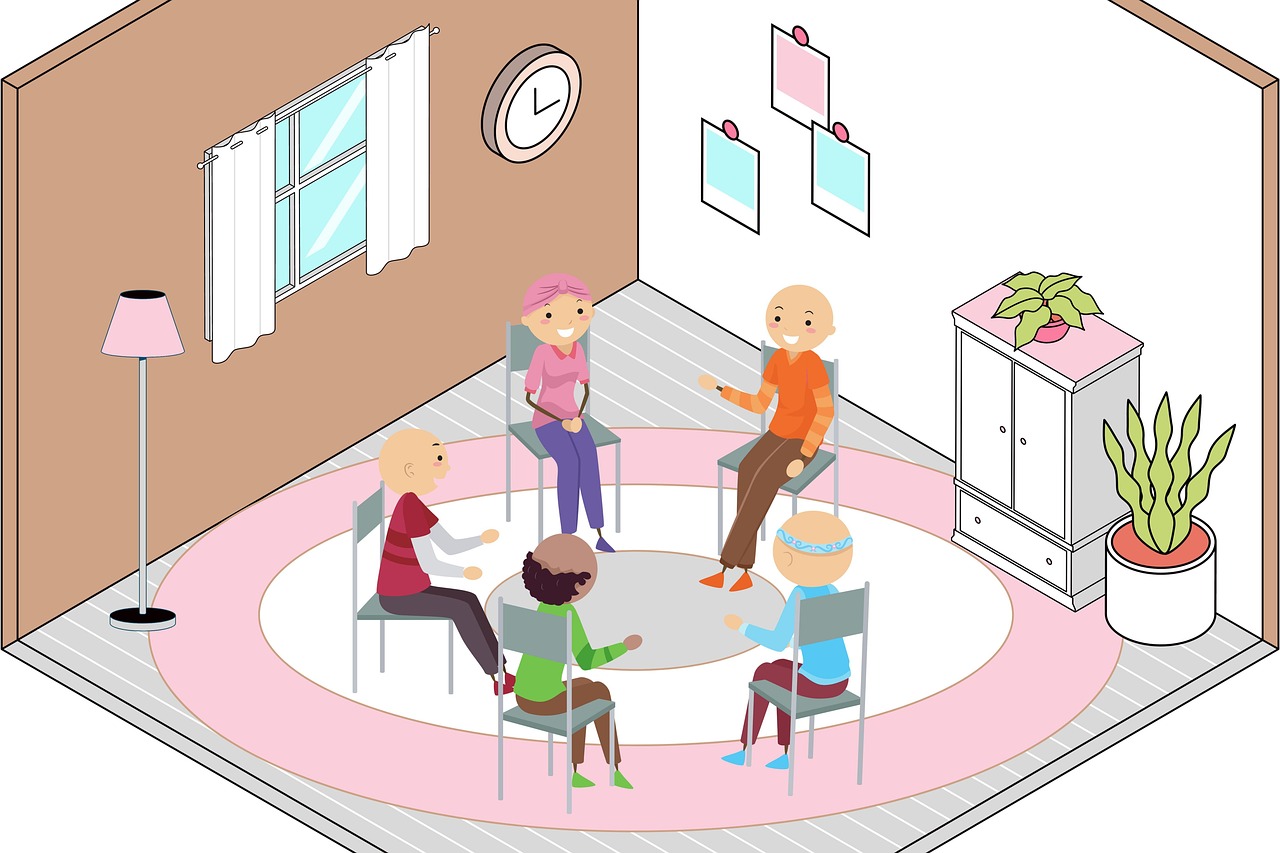
Education within fitness groups contributes to a stronger community. Members sharing similar experiences can learn from one another while building relationships that bolster their morale. Educational workshops enhance group dynamics by allowing presentations of individual experiences. Sharing stories of success and struggles encourages a sense of belonging and camaraderie. This social support is essential for individuals managing chronic conditions, as they realize they are not alone in their journey. Furthermore, the exchange of resources such as pamphlets, websites, and books can enrich their knowledge and provide insights into effective management techniques. An emphasis on ongoing education transforms groups from being mere fitness spaces into educational hubs. Each session could cover different topics surrounding chronic disease management, ensuring participants stay current with guidelines and evidence-based strategies. Importantly, feedback from group members helps tailor resources that meet their unique needs. This participatory approach cultivates a sense of ownership and accountability among members. Encouraging questions and discussions fosters an environment conducive to learning. In summary, educational resources in fitness groups not only provide essential knowledge but also cultivate vibrant communities ready to tackle chronic disease challenges collectively.
The Role of Technology in Providing Resources
Technology has revolutionized how educational resources are delivered in chronic disease fitness groups. With advancements, people can access information online, making it easier to obtain relevant content at their convenience. Various platforms, such as apps and websites, offer tailored exercise and nutrition plans. Online webinars featuring health experts provide further opportunities for learning. Therefore, utilizing technology enhances accessibility for members who might have mobility issues. Online community forums and social media groups offer virtual support, making it easy to seek advice. Additionally, fitness tracking apps serve as practical resources to monitor progress. Members can record their fitness activities and share achievements with the group, encouraging motivation and accountability. Moreover, virtual resources can supplement in-person sessions, broadening the range of topics addressed and experts consulted. Multimedia presentations, video demonstrations, and interactive content enrich educational experiences. Members can engage in live Q&A sessions, helping clarify their doubts in real time. This technological integration vastly improves engagement levels, transforming education into an interactive, dynamic process. Adopting these tools ensures that members have access to the latest information and support to manage their conditions effectively.
Moreover, collaboration with local health organizations can elevate the quality of educational resources available to chronic disease fitness groups. By partnering with reputable healthcare providers, groups can access up-to-date research findings and evidence-based guidelines. This collaboration fosters a relationship where experts contribute their time and knowledge, enhancing the learning experience for members. Regular guest speaker events can be scheduled, allowing healthcare professionals to share insights on the latest treatments or technologies. Workshops led by nutritionists or physiotherapists can offer practical knowledge regarding exercise modifications tailored to specific needs and limitations. Furthermore, providing discounts or promotional materials for programs and screenings from local organizations reflects a commitment to health and wellness. Engaging with local health initiatives encourages community awareness and support for those facing chronic disease challenges. Such endeavors also promote interconnectivity among different health-related entities. Creating networks among various resources helps reduce the stigma surrounding chronic illness, enabling more individuals to seek help freely. When members know they have access to high-quality resources, it diminishes feelings of isolation and fear associated with their health conditions. Overall, collaborating with local organizations can enhance the educational landscape available to participants.
Incorporating Emotional Support into Education
Education in chronic disease fitness groups must address both physical and emotional aspects of health. Emotional support is crucial in managing chronic diseases, as mental well-being directly impacts physical health. Workshops focusing on stress reduction techniques, mindfulness, or coping strategies form a vital part of educational resources. Encouraging open discussions about mental health allows participants to express their concerns and feelings without judgment. This support encourages a holistic view of chronic disease management, affirming that emotional and physical health coexist. Integrating mental health education can lead to better outcomes for participants, as they learn to cope with the psychological challenges associated with chronic conditions. Also, incorporating elements of well-being into fitness sessions, such as meditation or gentle yoga, can foster emotional connection and resilience. Inviting mental health professionals to share resources enhances understanding and breaks down stigmas. Peer support groups also serve as informal outlets for members to discuss their challenges, creating trust and unity. The availability of educational resources emphasizing emotional health cultivates a well-rounded approach to fitness. Overall, enhancing emotional components creates a nurturing environment essential for long-term success in managing chronic diseases.
Finally, evaluating the effectiveness of educational resources plays a pivotal role in their continuous improvement. Regular feedback from participants helps determine whether the sessions meet their needs and expectations. Surveys, focus groups, or informal conversations can yield valuable insights into members’ learning preferences and topics of interest. Understanding their perspectives assists facilitators in refining the content and format of educational materials. This iterative process ensures resources remain relevant and impactful while addressing any gaps in knowledge members may experience. Following up with participants regarding their progress can offer insights into how well they integrated the educational components into their daily routines. By keeping track of their success stories and challenges, groups can celebrate achievements and learn from setbacks collectively. This responsiveness fosters a culture of continuous improvement and adaptability. Ultimately, evaluating educational resources not only provides oversight but also engenders a supportive environment where members feel valued. Celebrating milestones and responding to feedback encourages ongoing engagement and reinforces commitment. Education, therefore, must remain a critical component of any chronic disease fitness group, ensuring that members are adequately equipped to manage their conditions effectively.
In conclusion, the integration of educational resources in chronic disease fitness groups is fundamental to success. These resources promote individual empowerment while fostering a sense of community. Members benefit from structured learning that addresses both physical and emotional needs, paving the way for improved health outcomes. Access to diverse information, including technological tools, facilitates knowledge sharing and makes concepts relatable. Moreover, collaboration with local health organizations enhances the educational framework through expert insights and resources. Emotional health considerations are equally vital, enriching educational discussions and breaking down barriers. As groups work to evaluate and adapt these resources, they create a dynamic and supportive environment. Therefore, prioritizing educational initiatives addresses the multifaceted nature of chronic disease management. By recognizing the importance of education, fitness groups serve their members comprehensively, ensuring they have the knowledge and tools necessary to thrive. As chronic disease management evolves, ongoing education must remain at the forefront, enabling members to lead healthier, more fulfilled lives. Ultimately, the benefits extend beyond individual participants, creating informed communities ready to face the challenges of chronic diseases collectively.
Through the thoughtful implementation of educational resources, chronic disease fitness groups become transformative spaces for learning and support. The emphasis on diverse learning methods caters to each member’s unique experience and needs, creating an inclusive atmosphere.