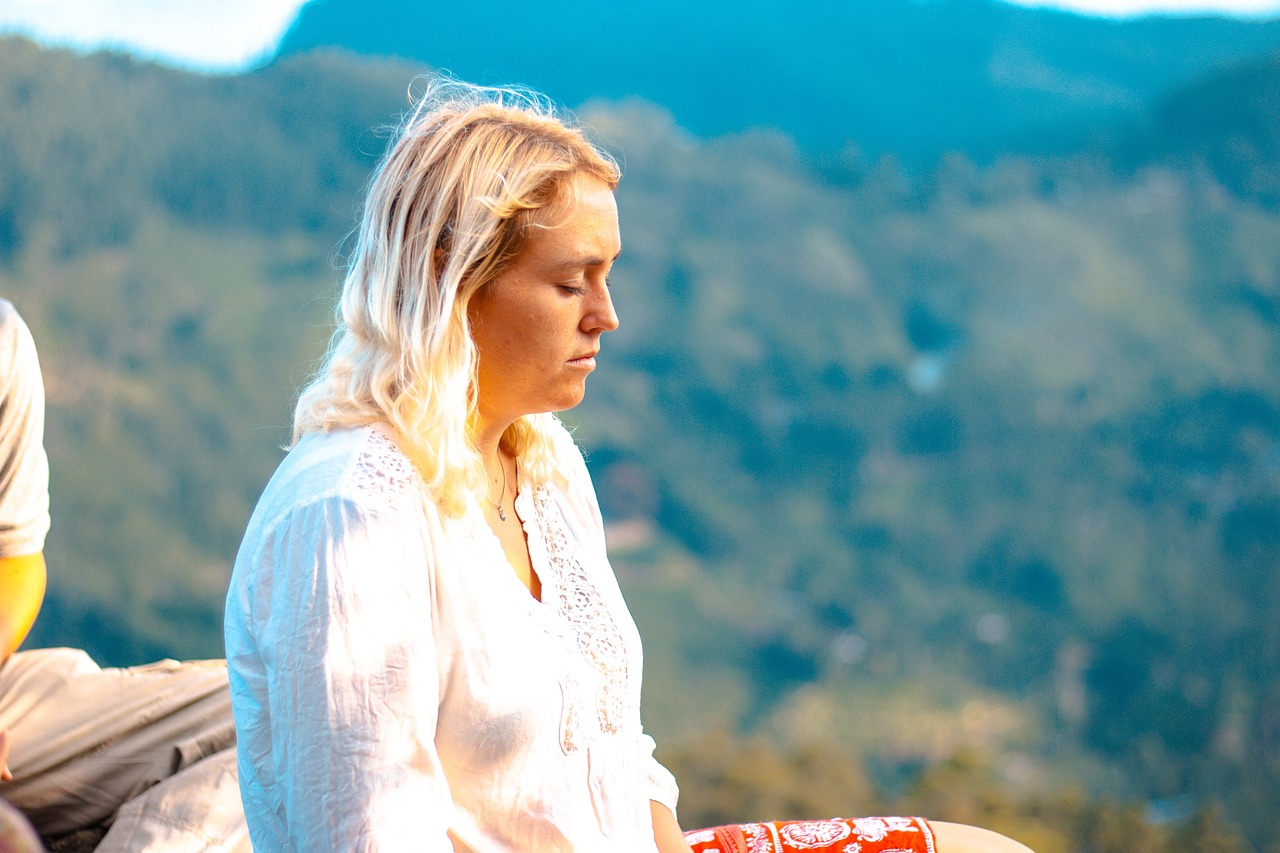

Meditation Retreats for Anxiety Management
Meditation retreats have emerged as a crucial approach for effectively addressing anxiety and depression. These retreats provide individuals a serene environment, allowing participants to practice mindfulness techniques that promote emotional well-being. Attendees typically engage in various forms of meditation, yoga, and breathing exercises aimed at calming the mind and reducing feelings of anxiety. By removing distractions and focusing on the present, individuals can better connect with their inner selves. During a meditation retreat, participants often learn key techniques such as guided imagery, body scanning, and loving-kindness meditation. These methods encourage self-compassion, which is essential for managing anxiety and depression. Many retreats are led by experienced instructors who offer guidance and personalized support tailored to individual needs. Participants can share experiences and cultivate deeper connections with like-minded individuals. As a result, retreats create a supportive community, essential for mental health recovery. For those seeking to escape the chaos of daily life, meditation retreats can be transformational. They foster resilience and cultivate a more grounded approach to handling emotional challenges, making them a viable option for anxiety sufferers.
Benefits of Retreats for Mental Health
Engaging in a meditation retreat provides numerous benefits for individuals dealing with anxiety and depression. The peace and quiet of retreat settings allow participants to detach from their daily stresses and immerse themselves in mindfulness practices that contribute to emotional healing. First, a retreat atmosphere enhances relaxation, helping individuals release tension and negative energy accumulated over time. Additionally, consistent meditation can significantly improve self-awareness, leading to better emotional regulation. Participants often learn essential coping strategies and tools they can integrate into daily routines. The communal aspect of retreats also plays a significant role, as attendees can share their journeys in a supportive environment. This interaction fosters connections, reducing feelings of isolation that often accompany mental health issues. Furthermore, structured schedules during retreats eliminate decision fatigue, enabling participants to focus solely on their healing journey. Many retreats offer nature-based experiences, which can significantly uplift mood and refresh the mind. Combining these factors makes meditation retreats an effective alternative therapy for anxiety and depression management. Ultimately, they create a pathway toward emotional balance and resilience.
Choosing the right meditation retreat is vital for effectively addressing individual mental health concerns. With a variety of retreat options available, it is essential to consider specific needs when selecting a program. First, seek retreats that cater specifically to anxiety and depression, ensuring that the curriculum addresses pertinent issues. Research the instructors’ credentials to ensure they have relevant experience and a compassionate approach. Review participant testimonials and ask questions to gauge the retreat’s atmosphere and structure. Consider the type of meditation practices emphasized within the retreat, as diverse methods may resonate differently. Popular practices include Zen meditation, guided visualization, and yoga-based meditation. Additionally, evaluate the location and facilities of the retreat, as a peaceful and natural setting can enhance the overall experience. Nutritional offerings should be considered, as a healthy diet contributes to mental clarity and emotional stability. It is also essential to assess the duration of the retreat to ensure it aligns with individual schedules. Ultimately, selecting a retreat that caters to personal needs will optimize the transformative potential of the meditation experience.
Integrating Techniques into Daily Life
After attending a meditation retreat, integrating learned techniques into everyday life is fundamental for long-term mental health benefits. First, establish a consistent meditation practice to maintain the calmness and clarity achieved during the retreat. Setting aside time each day for meditation can help reinforce mindfulness. Begin with short sessions, gradually increasing duration as comfort grows. Utilizing guided meditation apps can be beneficial for maintaining focus and structure. Essential techniques learned at retreats, such as deep breathing exercises, can be easily applied during stressful moments. Practicing these techniques can help manage anxiety more effectively. It is also useful to create a dedicated space at home for meditation, fostering a conducive environment for practice. Establishing a gratitude journal encourages daily reflection and positivity. Writing down thoughts, feelings, and experiences can enhance emotional awareness. Additionally, joining local meditation groups or classes promotes accountability and ongoing community support. Engaging in mindfulness throughout daily activities helps reinforce the principles learned at the retreat. By weaving meditation and mindfulness into daily life, individuals can build resilience against anxiety and depression.
Mindfulness-based therapies have gained popularity due to their effectiveness in treating anxiety and depression. These approaches focus on cultivating present-moment awareness and grounding techniques to combat negative thought patterns. Several meditation retreats incorporate mindfulness practices, offering immersive experiences for participants. Activities such as mindful eating, walking meditations, and silence periods encourage practical application of mindfulness. Through these experiences, individuals learn to observe their thoughts without judgment, fostering a sense of acceptance. This shift in perspective can significantly alleviate symptoms of anxiety and depression. Many participants also find that practicing mindfulness helps to return to normalcy after experiencing emotional distress. Furthermore, learning to appreciate the small joys in life enhances resilience against future challenges. As mindfulness becomes ingrained in daily routines, individuals discover an increased capacity for emotional stability. Research studies support the efficacy of mindfulness-based therapies, noting improvements in mental well-being and emotional regulation. As a result, incorporating mindfulness into a daily practice post-retreat can create lasting positive changes. In conclusion, mindfulness practices are vital components of meditation retreats focused on managing anxiety and depression.
Choosing the Right Location
The location of a meditation retreat plays an integral role in maximizing the healing experience. Many individuals find that natural surroundings contribute immensely to overall tranquility and emotional ease. Locations by the ocean, mountains, or serene forests enhance the retreat’s calming atmosphere. The choice of accommodation also matters; rustic cabins, yurts, or even luxurious lodges can influence a participant’s comfort and connection to nature. When selecting a retreat, factor in the type of environment that resonates personally. Research the amenities offered, as amenities such as organic meals, hiking trails, and wellness centers can provide added comfort. Additionally, consider proximity to urban areas; opting for a more secluded retreat may facilitate deeper reflection. Another essential aspect is accessibility; selecting retreats that are easy to reach can reduce travel-related stress. Many retreats also incorporate local culture, incorporating practices like Ayurvedic healing or traditional wellness therapies that enhance the experience. A thoughtfully chosen location creates an ideal backdrop for meditation and personal growth, ultimately contributing to effective management of anxiety and depression.
Retreats focused on meditation provide opportunities for personal transformation and profound healing. They promote self-discovery and resilience through a dedicated focus on mindfulness and well-being. Programs often encourage attendees to step outside their comfort zones, expanding their emotional awareness. Healing through meditation is not linear, but many have found clarity and purpose within themselves by attending these retreats. Participants frequently report significant improvements in mood, emotional stability, and clarity of thought. The immersive experience can help identify underlying causes of anxiety and depression, leading to better coping strategies. Various mind-body therapies presented during retreats, such as yoga or nature therapy, complement the meditation experience. Holistic healing helps develop a well-rounded approach to mental wellness. Taking time for oneself in a retreat setting nurtures self-compassion and self-love. These qualities are essential in overcoming mental health challenges. Each participant has a unique journey, but the shared experience of the retreat fosters a strong sense of community. Through mental support and shared insights, individuals develop healthy coping mechanisms for navigating the complexities of life.