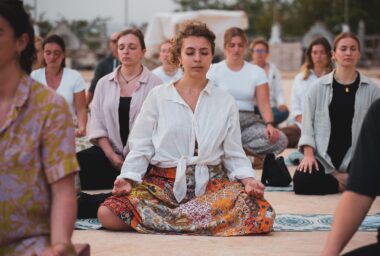

Leading Mindfulness Sessions to Boost Community Engagement
In today’s fast-paced world, mindfulness and meditation offer invaluable strategies for promoting emotional well-being and community cohesion. Leading mindfulness sessions can significantly enhance community engagement by providing individuals with tools to improve focus, reduce stress, and connect with others on a deeper level. During these sessions, participants not only learn various techniques to practice mindfulness but also cultivate a sense of belonging. In facilitating mindfulness activities, community leaders can help individuals foster supportive relationships that are essential for effective collaboration. As a practical exploration, participants may engage in guided activities such as breathing exercises, meditation, and yoga that facilitate self-awareness. These skills enhance overall mental clarity and open avenues for deeper community connections. Additionally, creating a relaxed atmosphere encourages participants to share their experiences and thoughts, enhancing participation and commitment. In this way, mindfulness serves not just individual health but the collective strength of communities. For community leaders, the challenge lies in adopting effective strategies to sustain engagement and motivate regular participation in these sessions, ensuring everyone feels involved and valued.
One effective approach to leading mindfulness sessions is establishing a consistent schedule and location. Regularity fosters routine, encouraging participants to incorporate mindfulness into their weekly plans. By choosing welcoming spaces, such as community centers or local parks, facilitators create inviting environments aiding relaxation and concentration. Offering sessions at varied times throughout the week helps accommodate different schedules, increasing participation among diverse community members. Another key aspect is to incorporate various techniques to cater to different preferences. This could include guided imagery, body scans, or sound meditation using instruments like singing bowls. These varied practices offer unique experiences, appealing to individual needs, thus enhancing engagement levels. Moreover, supplementing sessions with short talks on the benefits of mindfulness not only reinforces participants’ understanding but boosts enthusiasm and commitment. Utilizing social media or community boards can also keep the community informed about upcoming sessions and events. When participants see updates on what they practice in mindfulness, they feel a sense of ownership and connection. Such efforts increase attendance rates while cultivating a vibrant, supportive environment that champions mental wellness and connection.
Creating Community Connections through Mindfulness
The inherent nature of mindfulness encourages participants to connect with themselves while simultaneously building relationships with others. During mindfulness sessions, individuals often find shared experiences that create stronger bonds. Facilitators should encourage sharing personal reflections post-session, as it fosters trust and community spirit. These discussions allow participants to learn from one another while validating feelings and emotions. Such exchanges enhance understanding and compassion among community members, creating an atmosphere of mutual support. Additionally, integrating partner exercises—like mirrored breathing or co-guided meditations—can deepen connections. These activities promote empathy as participants synchronize their breathing and focus. As mindfulness practice becomes habitual, participants may feel more inclined to engage in other community initiatives, actively contributing to collective well-being. It’s also beneficial to offer themed sessions based on specific needs within the community, such as stress relief, anxiety management, or building resilience. Addressing specific concerns allows participants to feel understood and supported, reinforcing attendance. As community ties strengthen through these connections, mindfulness fosters a nurturing environment that encourages innovation and collaboration across various community initiatives.
As mindfulness and meditation gain popularity in various settings, integrating technology can greatly enhance community engagement. Online platforms provide alternative avenues for participants to access mindfulness sessions if in-person gatherings are challenging. This flexibility can widen the reach, inviting those who may otherwise not participate due to location or time constraints. Virtual sessions can include live streaming, recorded resources, and interactive platforms where individuals share thoughts and feedback. This approach promotes continuous participation, even outside regular meetings. Creating community social media pages dedicated to mindfulness practice encourages ongoing dialogue and resource sharing. Participants can share personal experiences, tips, and frameworks they discover, creating a rich tapestry of community support. Incorporating applications designed for mindfulness—such as meditation tracking or guided sessions—into the community’s practice can further facilitate individual progress while collectively enhancing the group’s resources. Offering challenges, such as 30-day mindfulness programs on these social channels, can galvanize collective effort and commitment. Gamifying the experience fosters healthy motivation while reinforcing connections among participants striving toward similar goals. Such innovative strategies ensure that mindfulness remains a community cornerstone, promoting collective well-being and resilience.
Evaluating Progress in Mindfulness Practices
To assess the impact of mindfulness sessions on community engagement, it is crucial to establish benchmarks for evaluation. Regularly obtaining feedback from participants through surveys or reflective sessions offers insight into their experiences and the benefits they perceive. This feedback loop not only demonstrates that voices are valued but also aids facilitators in enhancing session dynamics and planning. By recognizing patterns or preferences in participant responses, modifications can be made to meet the community’s evolving needs. Additionally, tracking attendance and participation levels can provide quantitative data reflecting community interest and commitment. As facilitators evaluate progress, presenting successes encourages participants, motivating continued involvement. For instance, celebrating milestones in mindfulness practices—such as completion of a meditation challenge or consistent participation—can solidify community bonds and foster a sense of achievement. Beyond individual progress, sharing stories of transformation publicly can highlight the collective benefits of these mindfulness practices. Such recognition propels community members to inspire one another, thus expanding engagement. Ultimately, evaluating mindfulness sessions becomes essential for nurturing sustainable practices while reinforcing the fabric of community support and collaboration.
To maximize the benefits of mindfulness sessions, creating collaborative partnerships with local mental health professionals, instructors, and wellness advocates can be beneficial. These experts can provide additional resources and insights, enhancing the overall framework of community offerings. Involving specialists in mindfulness practices not only validates the community effort but also enriches the activities offered. Workshops, seminars, or joint events that combine diverse expertise enhance the overall program, attracting more participants. Moreover, sponsorship from local businesses can also play a pivotal role in these initiatives. Businesses may contribute resources or venues for free community sessions, in exchange for promoting their involvement. This partnership grants visibility for businesses while fostering community trust and engagement. Together, these connections can lead to an enriched experience for all participants. As the community grows, so does the responsibility to ensure continuous engagement in mindfulness practices. Developing a supportive environment where participants champion each other will reinforce commitment while multiplying the impact. In the end, a thriving community emerges where individuals positively affect one another. This collaborative spirit is essential for developing lasting mindfulness practices that support collective wellness.
Conclusion: Embracing Mindfulness for Collective Growth
In conclusion, leading mindfulness sessions within a community setting proves to be a transformative approach to enhancing engagement and resilience among participants. The journey begins with establishing a consistent framework that fosters accessibility and comfort. Through various techniques and regular schedules, community leaders can create inclusive opportunities for all individuals to partake. By leveraging technology and integration into the daily lives of participants, the impact of mindfulness is magnified, ensuring that practices extend beyond sessions. Evaluating progress and gaining feedback paves the way for continuous improvement, ultimately enriching the group dynamic. Collaborating with mental health professionals can enhance the offerings available, addressing specific community needs effectively. The inclusion of local businesses strengthens community ties while boosting engagement efforts. The ongoing journey towards mindfulness and collective support cultivates deeper relationships, creating a fabric of connectedness and well-being. It exemplifies how, through mindful practices, individuals can enhance their own mental health while contributing to the greater good of their community. Embracing mindfulness nurtures not just personal growth but propels the entire community towards better emotional and social health.
In essence, engaging in mindfulness sessions together yields profound results for mental well-being. As connections strengthen, collective resilience hardens, enabling communities to thrive. It encourages participants to share insights readily while laying foundations for supportive environments. Promote regularity in practice paired with an array of techniques to ensure diverse participation. By fostering collaboration among various community partners, reach extends further. As mindfulness fosters unity, the community blossoms into a vibrant, supportive hub. Investing effort in mindfulness practices guarantees substantial returns in terms of mental wellness. Participants will connect not only with their inner selves but also with each other, enhancing social cohesiveness. Through empathy and understanding cultivated in these spaces, challenges become easier to address collectively. Moreover, consistency in mindfulness nurtures a culture of compassion, essential for holistic growth. Encouraging stories of shared experience reinforces participant commitment, thus sustaining momentum. Ultimately, leading mindfulness sessions catalyzes positive transformation in communities, redefining relationships and enhancing emotional health. This collective journey empowers individuals while facilitating community-wide change. The impact resonates, creating an uplifting atmosphere where true engagement flourishes.