
Training with Traditional vs. Modern Martial Arts Weapons
In the world of martial arts, the debate between traditional and modern training methods has gained significant attention. Traditional weapon-based martial arts often emphasize historical techniques, cultural significance, and time-honored principles. Practitioners learn through a structured curriculum that includes forms, sparring, and partner drills. These disciplines uphold ancient practices, providing students with a sense of connection to their martial heritage. Understanding the philosophy behind traditional training can enhance a martial artist’s focus and discipline. On the other hand, modern weapon-based martial arts focus more on practicality and adaptation. Self-defense techniques often reflect contemporary threats and challenges, making them more relatable to today’s practitioners. Consider the context of modern training where adaptability allows students to evaluate and modify techniques for effectiveness. When compared, both approaches have unique advantages that benefit various practitioners, depending on their goals. Each method offers skills that can be enhanced through dedicated practice. This ongoing discussion about their differences aids students in selecting the best fit for their needs. Overall, exploring these two realms provides richer understanding and appreciation for the art of martial weapon training.
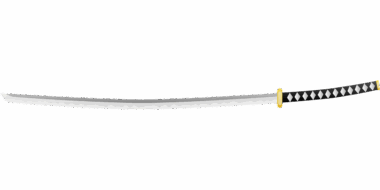
The benefits of training with traditional weapons, such as the katana or bo staff, extend beyond mere physical fitness. Engaging in traditional martial arts with these weapons encourages mental focus and fosters respect for the martial arts community. The learnings are usually inherited from seasoned instructors who have dedicated years mastering their craft, ensuring that essential techniques are taught authentically. Furthermore, traditional weapon training often incorporates a philosophical aspect, allowing students to explore concepts like balance, patience, and perseverance. These qualities are essential within martial arts and resonate throughout everyday life. Modern weapon training, however, brings a fresh twist and adapts to contemporary challenges. It often utilizes tools that reflect modern safety concerns, like rubber or foam training weapons. This ensures that practitioners can train rigorously while minimizing the risk of injury. Classes often engage in realistic combat scenarios, which prepare students for real-life confrontations, teaching them how to assess threats quickly. Furthermore, modern weapon training fosters adaptability and skill diversity, enticing practitioners who may feel the traditional training methods lack excitement. This blend of reality and skill in modern training captivates a diverse range of martial arts enthusiasts seeking dynamic experiences.
Comparison of Training Regimens
When examining the training regimens between traditional and modern weapon-based martial arts, one discovers distinct methodologies. Traditional martial arts often follow specific forms and katas, emphasizing memorization and repetition. This structured learning enhances precision and technique understanding. Additionally, students practice through slow, controlled movements that prioritize proper form, allowing them to develop a solid foundation. In traditional settings, the progression is meticulously assessed using colored belts, signifying mastery of various levels. In contrast, modern weapon training embraces a more fluid approach to learning. It often incorporates drills that prioritize adaptability and situational awareness. This enables students to adjust techniques on-the-fly, catering to real-world scenarios. Training frequently includes sparring sessions that focus on practical application, with little emphasis on traditional formalities. As a result, students in modern training might experience more immediate competency gains. However, some may find that traditional arts produce a deeper connection with martial history, enriching their practice. Ultimately, the effectiveness of each approach depends heavily on the individual’s goals and preferences. Both training regimens produce skilled martial artists, regardless of style, emphasizing the importance of consistent practice and dedication.
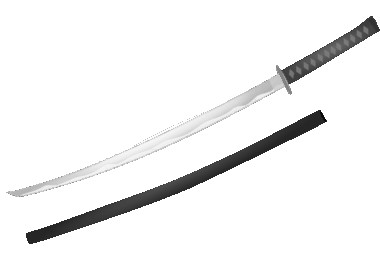
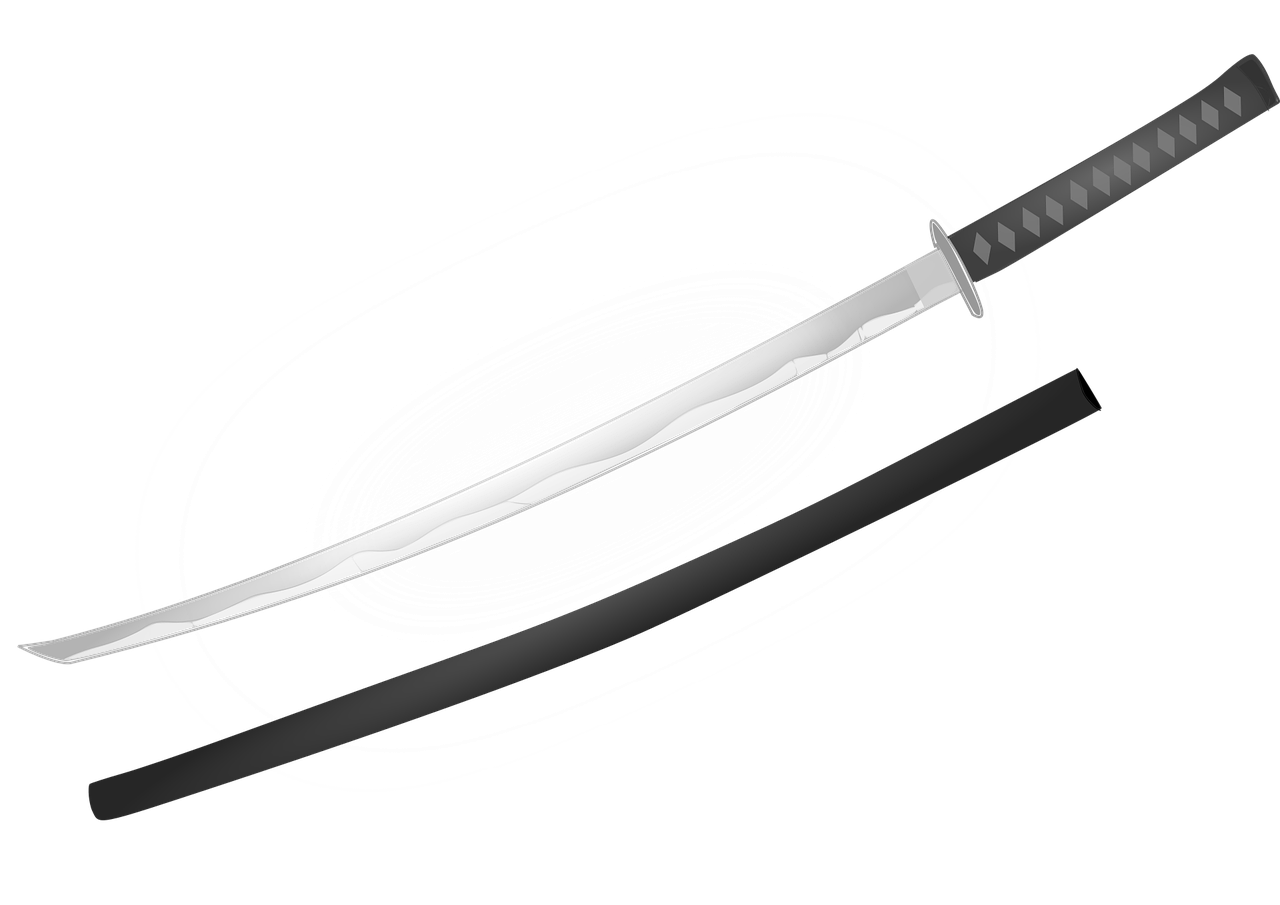
The choice of weapon plays a critical role in the martial arts experience. Traditional martial arts often feature weapons like the nunchaku, sai, and katana, each with a rich history and a unique set of techniques. Mastering these weapons can involve years of dedicated training. Meanwhile, modern martial arts may lean towards more versatile tools such as tactical sticks or training katanas that appeal to personal self-defense. The weapon’s role in each style showcases the diversity within martial arts practices themselves. Traditional weapons often reflect cultural significance, while modern tools prioritize practicality and accessibility for students. Additionally, the physical demands of each weapon can differ substantially. In traditional training, practitioners often develop specific muscle groups required for wielding lightweight weapons with speed and agility. Versatile training tools in modern martial arts facilitate a wider range of techniques. Through understanding how different weapons influence training cores and applications, practitioners can deepen their engagement and craft unique martial identities. Ultimately, the weapon selection enhances the benefits gained through each training methodology, providing valuable skills for self-defense and sport, reflecting the rich tapestry of martial arts history.
Personal Development Through Martial Arts
Training with weapons in both traditional and modern styles encourages personal development beyond physical abilities. Emphasizing mental fortitude, discipline, and self-control helps practitioners build valuable life skills. Traditional martial arts place a strong emphasis on self-discipline as students commit to memorizing forms and drills while respecting their instructors and skill progression processes. This commitment fosters a personal sense of growth, as students learn the essential values of dedication and perseverance. In contrast, modern weapon training often nurtures resilience through real-life challenges and adaptable thinking. Practitioners often find themselves in unpredictable sparring situations that require quick decision-making and tactical responses. This fosters mental agility that extends beyond the dojo or training floor. Self-awareness and confidence may also increase as practitioners experience successes, overcoming obstacles during training. Both approaches highlight the role of humility and respect for peers, creating a supportive community within martial arts. Effectively, martial arts serve as a crucible for personal transformation, where practitioners not only hone their skills but also grow as individuals, developing character traits that positively impact every aspect of their lives.
Moreover, in terms of fitness, both traditional and modern weapon-based martial arts provide robust physical conditioning. Traditional weapons training often emphasizes flexibility, strength, and coordination, requiring practitioners to perform intricate movements with control, which builds muscle and endurance. The training often integrates footwork, stances, and techniques that develop overall body awareness. This can lead to improved balance and posture as students refine their movements over time. Similarly, modern weapon training focuses on functional fitness. The incorporation of high-energy drills creates an aerobic workout that engages multiple body systems, promoting cardiovascular health. Practitioners find that modern training can also lead to rapid gains in strength and agility due to the diverse exercises. This variety in training not only boosts physical fitness but also keeps students engaged and motivated during training sessions. The included evidence of both traditional and modern practices demonstrate the holistic approach that martial arts can contribute to an individual’s health. Enthusiasts who embrace such practices will find that the physical demands of weapon training lead to long-lasting health benefits, regardless of the direction they choose. The keys lie in commitment, consistency, and passion for martial arts.
Conclusion: Merging Traditional and Modern Approaches
Ultimately, the choice between traditional versus modern weapon-based martial arts training boils down to individual preference, outcomes, and experiences. Each discipline provides distinct benefits that can guide practitioners toward fulfilling journeys. Traditional methods inherently teach rich heritage, discipline, and technical precision, fostering respect for the practiced arts. Meanwhile, the modern adaptation encourages versatility, practicality, and confidence to face a variety of self-defense situations. Many practitioners opt to blend elements from both approaches, integrating traditional techniques into modern scenarios to create a comprehensive skill set. This synthesis allows martial artists to grow and adapt in an ever-changing world. The emphasis on self-improvement, strategy, and practical skill remains central in both methods, allowing practitioners from diverse backgrounds to share camaraderie through their respective training. Ultimately, whether through the lens of tradition or through the lens of modernization, martial arts promote immense value in areas of fitness, mental well-being, and personal development. As students continue this journey, valuing both tradition and modern practices can create a balanced, enriched martial arts experience that yields lifelong benefits. Practitioners may discover that the harmony of both methods elevates their martial arts practice into a powerful tool for self-improvement.