
Cardiovascular Health and Fitness for Men Over 45
Men over the age of 45 must prioritize cardiovascular health, as heart disease remains a leading risk factor for this demographic. Engaging in regular cardiovascular exercise can significantly mitigate risks associated with heart disease. Activities such as walking, swimming, and cycling not only promote fat loss but also improve overall heart health. Furthermore, it’s highly advisable to engage in moderate to vigorous activities most days of the week. This can include structured exercise routines or simply an increase in daily activities like gardening or playing sports with friends. Additionally, aligning one’s fitness schedule with medically advised routines could enhance well-being. Men should seek to maintain a heart-healthy weight, engage in regular check-ups, and adopt a nutritious diet rich in fruits, vegetables, whole grains, and lean proteins. Proper hydration is critical for efficiency during workouts. Ensuring an adequate fluid intake can aid in recovery and maximize performance. It is equally essential to combine cardiovascular exercise with strength training twice a week, promoting muscle mass preservation, which declines as men age. These comprehensive strategies foster a healthier lifestyle, keeping men active and fit.
At this age, it is crucial to understand how cardiovascular exercises impact overall health. Regular aerobic activity strengthens the heart muscle, allowing it to pump blood more efficiently, which lowers heart rate and reduces blood pressure. Engaging in cardiovascular training facilitates improved blood flow, oxygen delivery, and increased stamina. Furthermore, psychological benefits such as reduced anxiety and depression also result from regular exercise. Hence, men should not overlook the emotional and mental health benefits derived from consistent physical activity. Setting realistic goals with time frames creates accountability, motivating continual effort. Useful tools like fitness trackers can monitor progress, while apps provide exercise guidance and community support. Additionally, establishing a workout schedule and having a reliable training partner can exponentially enhance results. Engaging in local fitness groups or clubs can help maintain motivation and foster social connections, invaluable to mental well-being. Always consult a medical professional before embarking on new exercise regimens, especially for anyone with pre-existing conditions. An assessment can help to tailor the most suitable program that considers individual health history, making workouts effective without excessive strain.
Nutrition and Cardiovascular Health
Nutrition plays a significant role in conjunction with cardiovascular fitness. Men over 45 should prioritize a balanced diet that emphasizes whole foods and minimizes processed items. Consuming a variety of vegetables ensures ample vitamins and minerals, bolstering overall health. Healthy fats, found in foods like avocados and fatty fish, are crucial for maintaining heart health. Foods rich in omega-3 fatty acids contribute to lowered levels of triglycerides and reduced blood pressure. Furthermore, these nutrients can help with inflammation, benefiting cardio workouts and recovery periods. Men should also monitor their sodium intake, as excessive salt can lead to higher blood pressure, a risk factor for heart disease. Additionally, someone over 45 should consider decreasing alcohol consumption and quitting smoking. Both habits severely compromise cardiovascular health and rehabilitation. It’s essential to incorporate adequate fiber in the diet, which aids digestion and tends to stabilize blood sugar levels. Resources for meal planning, such as consultations with nutritionists, can provide the necessary guidance. With a tailored plan, one can better navigate dietary choices that contribute positively to one’s physical fitness journey.
Hydration is another often overlooked aspect of cardiovascular health, especially during physical exertion. Men over 45 should ensure they consume sufficient water throughout the day, particularly before, during, and after workouts. Dehydration can lead to diminished performance, fatigue, and increased risk of injury. Moreover, hydration aids in optimal circulation, supporting cardiovascular function during exercise. Incorporating electrolyte-rich drinks post-workout can replenish lost minerals during sweat-inducing exercises, ensuring that the body remains in balance. Pay attention to the body’s signals; thirst is a crucial prompt indicating hydration needs. It’s vital, however, to personalize fluid intake based on activity levels, weather conditions, and personal health metrics. Regular checkups or utilizing body composition analyses can provide deeper insights into hydration needs. Age-related physiological changes affect fluid balance, making proactive hydration strategies critical in a fitness regimen. In particular, older adults often experience decreased sensation for thirst; thus, consistently sipping water can avoid dehydration-related complications. Set reminders to drink water throughout the day, ensuring you stay adequately hydrated, maximizing the benefits of your cardiovascular workouts.
Integrating Strength Training
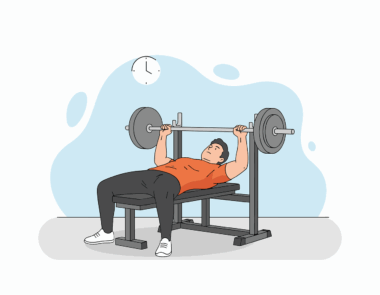
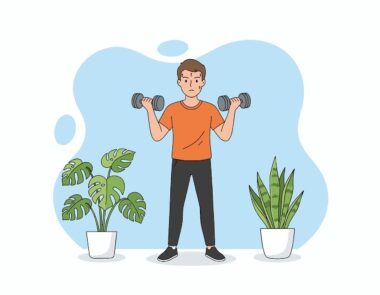
Alongside cardiovascular training, integrating strength training is crucial for men over 45. This combination contributes to improved heart health, as increased muscle mass can enhance metabolism and fat loss. Utilizing resistance exercises, including bodyweight routines such as push-ups and squats, is important. Experimenting with free weights or resistance bands can also provide valuable strength-building opportunities. Men can further enhance their fitness routines through incorporating functional movements, which reduce injury risk and promote efficient physical performance in daily activities. Developing essential strength is particularly beneficial for offsetting the natural muscle loss that occurs with aging. Aim for two to three sessions of strength training weekly, focusing on different muscle groups. Allow sufficient recovery time for muscles to repair and grow stronger. Additionally, workplace or home routines that encourage movement, such as stretching during breaks or taking stairs instead of the elevator, can be helpful. Educating oneself on proper lifting techniques or seeking guidance from certified trainers can ensure safe execution. Implementing these practices leads to enhanced fitness levels and leads to improved cardiovascular function, making overall workouts more effective and enjoyable.
Listening to one’s body during workouts is vital, especially as age impacts recovery times and overall exertion. Monitoring any discomfort or unusual fatigue during cardiovascular training can prevent injuries and prolong fitness engagement. Adequate rest is just as important as exercise; resting allows muscles to recover and adapt effectively. Balancing workout intensity with recovery ensures continuous performance improvements without undue strain. Consider incorporating rest days and lighter workouts on a regular basis. Prioritize sleep quality to enhance recovery and support overall health. Sleep significantly impacts energy levels, mood, and muscle repair processes, so it should not be neglected. Strategies such as establishing routine sleep schedules, creating a calming sleep environment, and limiting screen time can improve sleep hygiene. Incorporate relaxation techniques such as yoga or meditation, which may aid with stress management and recovery. In this way, men fortify their fitness levels while being mindful of age-related challenges. Maintaining an adaptive fitness mindset allows for flexibility in the exercise approach. It ensures enjoyment of physical activities for years ahead, ultimately fostering sustainable fitness embedded into daily life.
Conclusion
In conclusion, cardiovascular health and fitness for men over 45 necessitate a holistic approach, incorporating exercise, nutrition, hydration, rest, and adaptation. This multifaceted strategy not only promotes a healthy heart but also fosters overall well-being and longevity. Engage in cardiovascular activities regularly, complemented by strength training sessions. Nutrition plays a significant role in supporting these workouts; thus, prioritize wholesome foods while remaining cognizant of hydration levels to remain energized. Implementing proper rest strategies to enhance recovery while acknowledging the need for adjustments in routines can significantly contribute to sustained success. Invite friends or family to participate in fitness activities, establishing a community that fosters accountability and motivation. Ultimately, men should remember that every small effort counts toward better health. Celebrate the incremental achievements, whether it’s a new personal best in jogging distance or weight lifted. Lastly, with the right mindset and supportive choices, this age can be a milestone for achieving personal fitness goals. By following these strategies, men can cultivate durable cardiovascular health and enjoy a vibrant lifestyle well into the future.
Cultivating Mental Resilience
As men over 45 embark on a steadfast journey toward enhanced fitness, cultivating mental resilience becomes a crucial component. The road to maintaining cardiovascular health can be filled with challenges, from time constraints to fluctuating motivation levels. It’s essential to develop a positive mindset and determine personal reasons for committing to fitness. Visualization techniques can bolster mental fortitude by keeping long-term goals vivid and inspiring. The presence of accountability partners, whether friends or online communities, can offer essential support and motivation. Engaging in fitness challenges or goals can spur a deeper commitment, with the excitement of achievement giving a boost. In tandem, adopting an attitude of self-compassion is vital. Understand that setbacks may occur, and embracing them as learning moments fosters perseverance. Establishing a journal can also aid reflection on triumphs and struggles alike. Incorporate strategies to manage stress through mindfulness, enhancing focus and clarity during workouts. With determination and the right mindset, the path is strewn with opportunities to thrive. Overall, as men navigate these fitness journeys, remember that mental strength underpins physical accomplishments, significantly impacting their ongoing health and well-being.