
The Connection Between Problem-Solving and Physical Balance
The intricate relationship between cognitive functions and physical coordination is evident in various activities. One significant aspect is problem-solving, which manifests in daily tasks requiring balance. For instance, consider a scenario such as navigating through uneven terrain. In this case, the mind continuously assesses risks and calculates necessary adjustments. Engaging in problem-solving not only aids in achieving better physical balance but also enhances neuroplasticity within the brain. Neuroplasticity is significant because it allows the brain to adapt and develop new pathways based on experiences. Thus, balancing activities encourage cognitive engagement and, conversely, cognitive activities can enhance physical prowess. By tackling challenges, problem-solving fosters a higher degree of body awareness, enabling individuals to develop a strong sense of their physical limits. Consequently, overcoming cognitive obstacles leads to improved movement efficiency. This interplay between cognitive functions and motor skills demonstrates that as one becomes more adept at thinking through situations, they inherently enhance their physical coordination. Therefore, incorporating problem-solving exercises into balanced activities can be an effective strategy for improving overall well-being.
To expand further on this connection, different sports and recreational activities provide clear illustrations of how problem-solving skills correlate with balance. When participating in sports such as surfing or snowboarding, athletes must quickly adjust their bodies based on shifting conditions. This requires them to possess strong cognitive skills that enable them to analyze their environment swiftly and enact changes accordingly. Similarly, activities like yoga or martial arts incorporate rigorous problem-solving components into routines. These practices necessitate an understanding of body positioning, spatial awareness, and adjustments based on the practitioner’s limitations. Each movement requires a mental assessment of potential risks and the exploration of techniques to maintain balance. Moreover, participants must regularly engage in mindful thinking, enhancing their overall cognitive functions. This balance between physicality and intellect fosters a holistic approach to health, blending mind and body seamlessly. Even casual physical activities like balancing on one leg while completing a puzzle can offer profound benefits. By integrating problem-solving into physical tasks, individuals can develop unique skills that improve their coordination while simultaneously stimulating their minds, culminating in enhanced cognitive and physical health.
The Role of Neuroplasticity in Coordination
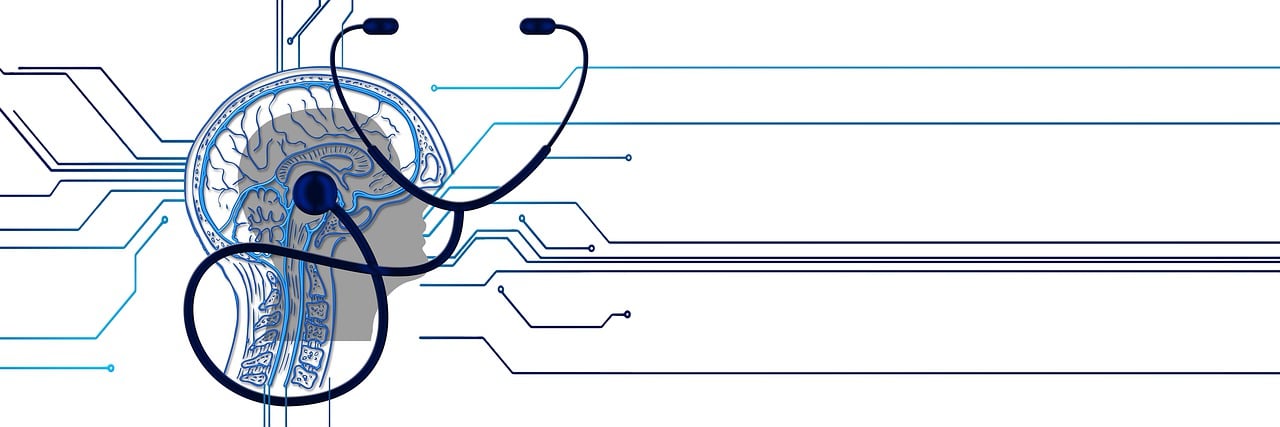
Neuroplasticity plays a central role in the relationship between cognitive aspects of problem-solving and physical coordination. Essentially, neuroplasticity refers to the brain’s remarkable ability to reorganize itself by forming new neural connections throughout life. This phenomenon enables individuals to learn from experiences, adapt behaviors, and improve capacities in response to environmental challenges. Engaging in activities that require both problem-solving and balance can effectively harness neuroplasticity. For example, training that involves complex movements or cognitive challenges can lead to the production of new neurons and strengthen existing connections. As individuals face various challenges, such as mastering a new dance routine or learning a new sport, their brains continuously adapt to manage these tasks. Consequently, as cognitive flexibility increases, so does physical coordination. This connection implies that the more individuals engage in problem-solving tasks, the greater their potential for enhancing coordination. Whether through formal training or engaging in leisure activities, leveraging neuroplasticity allows for significant improvements to occur in a wide range of physical capabilities, emphasizing the holistic significance of fostering cognitive skills.
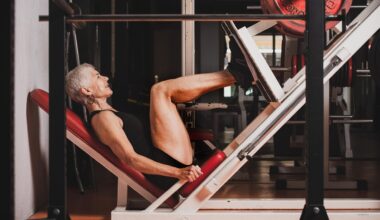
Furthermore, incorporating problem-solving tasks into physical routines leads to marked improvements in overall balance. Research indicates that older adults who engage in problem-solving exercises coupled with balance training experience enhanced stability and reduced risk of falls. Engaging in challenging cognitive activities fosters a proactive approach to balance. Elders, for example, can benefit from puzzles or strategic games that stimulate different cognitive processes while simultaneously performing balance exercises. This combination fosters coordination and provides mental agility, ultimately securing their overall well-being and independence. Children, too, can reap immense benefits from this interaction between problem-solving and physical balance. Innovative playground designs that encourage climbing or balancing promote cognitive challenges, stimulating children’s decision-making skills while developing their physical capabilities. As they formulate strategies to overcome obstacles, their coordination improves, resulting in enhanced self-esteem and physical confidence. In essence, blending challenging cognitive tasks with physical activities can yield a wealth of beneficial outcomes. By understanding and acknowledging this connection, both individuals and fitness professionals can create tailored programs that effectively enhance cognitive and physical development across all ages.
Practical Applications of Problem Solving
To implement the synergy between cognitive function and coordination effectively, several practical applications can be introduced in various contexts. In schools, incorporating games that require strategic thinking and movement can be beneficial in developing children’s overall coordination skills. Physical education classes can introduce obstacle courses that encourage students to solve problems while physically navigating spaces. This blend of action and thought nurtures a well-rounded skill set, enhancing physical coordination alongside cognitive agility. Similarly, in rehabilitation settings, therapists can design exercises that demand participants to think critically while improving their physical stability. Therapists may use techniques that involve manipulating a ball while balancing or standing on a wobble board in unpredictable scenarios to enhance both aspects. This approach not only addresses therapeutic needs but also provides a cognitive challenge, fostering healing on multiple levels. Moreover, in competitive sports, coaches can integrate decision-making drills that demand quick thinking while executing movements. By fostering an environment where physical actions intertwine with mental tasks, participants can attain greater heights in their respective domains, resulting in athletes who boast improved balance and problem-solving capabilities.
In addition to structured environments, everyday life provides ample opportunities to cultivate the connection between problem-solving and physical balance. Simple household tasks can serve as effective training grounds for enhancing cognitive coordination. For instance, engaging in activities like rearranging furniture necessitates navigating spaces, pondering optimal placements, and maintaining balance throughout the process. Cooking can also involve multi-tasking and balancing ingredients while following complex recipes, prompting sharp thinking. As individuals navigate various life scenarios, they refine both cognitive skills and physical balance. Adding playful elements to these tasks can increase engagement further. For example, playing balance games with family or friends after dinner can create a fun atmosphere while achieving practical benefits. This multifaceted approach highlights that effective coordination training doesn’t need to be confined to formal settings. It can seamlessly blend into routines, fostering an environment of growth that emphasizes both problem-solving and physical balance. As participants consciously maximize these opportunities throughout their day-to-day lives, they enhance their coordination and enrich their problem-solving skills, ultimately achieving holistic development.
Final Thoughts
In conclusion, recognizing the interplay between problem-solving and physical balance opens new vistas for enhancing individual capabilities. By viewing coordination as not merely a physical endeavor but an engaging cognitive challenge, individuals stand to benefit immensely in numerous aspects of life. The caliber of decision-making skills influences physical actions, establishing a critical link between mental functions and physical balance. Embracing neuroplasticity allows continuous growth and adaptation, enriching the experience across various domains, particularly in health, sports, and rehabilitation. By integrating both cognitive and physical challenges into daily routines, numerous pathways open for self-improvement, benefiting individuals of all ages. Encouraging playful problem-solving and balance activities can manifest profound effects on well-being while nurturing a culture of progress. Whether through formal training or everyday life scenarios, nurturing this vital connection fosters greater potential, empowering individuals to thrive in their pursuits. Overall, maximizing the synergy between cognition and physicality not only enhances the overall quality of life but builds resilience, dynamic capabilities, and evolutionary growth, ultimately resulting in a holistic approach that promotes lifelong learning and well-being.
Any additional insights on the relationship between cognitive coordination and balance can further enrich individual experiences. By connecting various frameworks of learning, aspiring individuals can unlock unique pathways to enhance their overall capabilities.